April 14, 2026
As the weather warms up here in Stafford, VA, it’s a good time to check on our homes. Winter can be tough on roofs, with ice, snow, and wind doing their worst. We want to make sure everything is sound before the heavier rains of spring arrive. A good spring roof inspection Stafford VA can save us a lot of trouble down the line. Let’s go over what we should be looking for.
Key Takeaways
- Get ready for your spring roof inspection Stafford VA by gathering tools and knowing what winter damage looks like.
- Inspect the outside of your roof for any problems and check the attic for signs of leaks.
- Figure out what repairs are needed and know when it’s best to call a Stafford VA roofing professional.
Preparing For Your Spring Roof Inspection In Stafford VA
As the weather warms up here in Stafford, VA, it’s a good time to think about our roofs. Winter can be tough on them, with ice, snow, and wind doing their best to cause trouble. Before we get too busy with summer activities, we should get our roofs checked out. A little preparation goes a long way in making sure our inspection is effective and safe.
Gathering Necessary Tools And Safety Gear
When we head out to look at the roof, we need to be prepared. It’s not just about grabbing a ladder. We need to think about what we might see and how to stay safe while looking. Here’s a quick list of things we should have ready:
- A sturdy, reliable ladder. Make sure it’s tall enough to reach the roof safely and that it’s in good condition.
- Work gloves. These help with grip and protect our hands from rough surfaces.
- Safety glasses. Small bits of debris can fall, and we don’t want anything in our eyes.
- A notepad and pen, or a phone for taking pictures and notes. We’ll want to record what we find.
- A flashlight, especially if we plan to look in the attic.
- Closed-toe, sturdy shoes with good grip. Flip-flops are a definite no-go.
Understanding Common Winter Roof Damage
Winter leaves its mark, and knowing what to look for helps us spot problems faster. We’re not looking for anything too complicated, just the usual suspects that show up after a cold season.
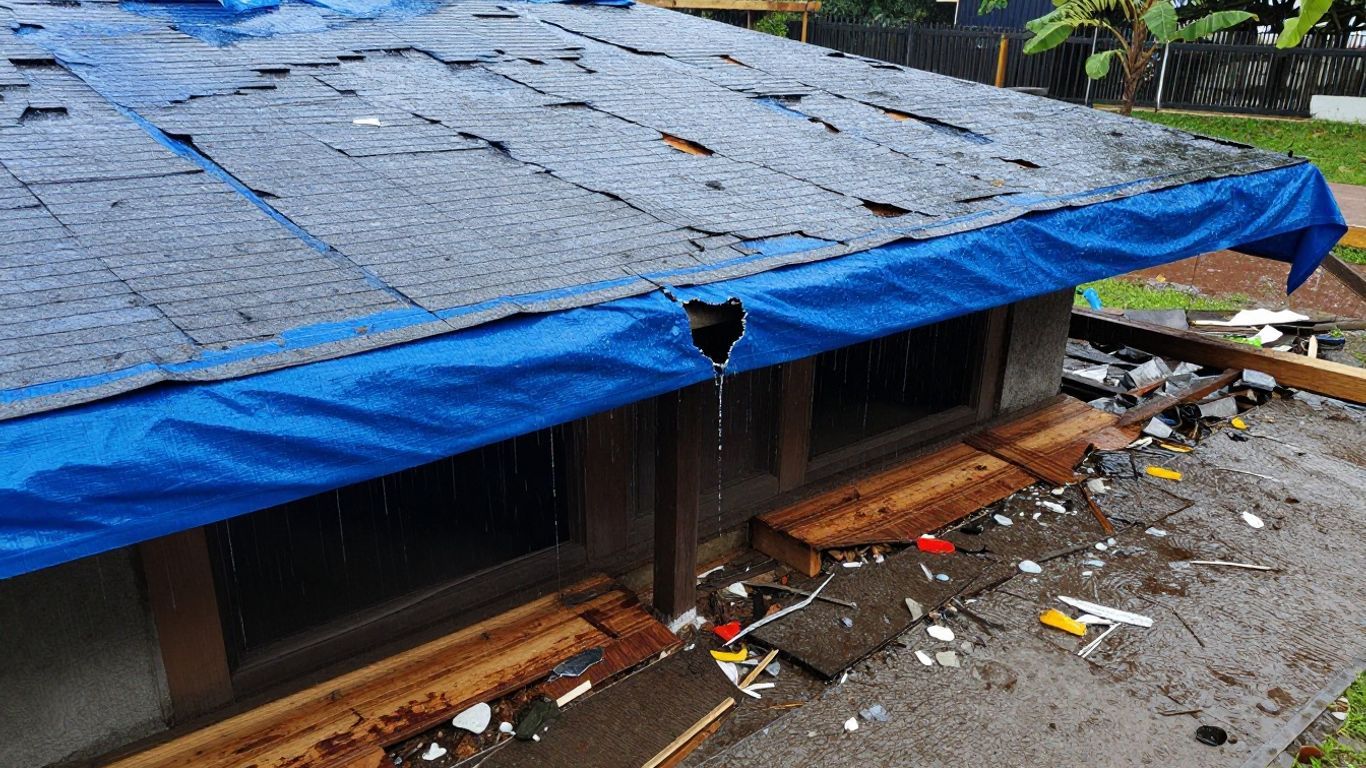
- Missing or damaged shingles: Ice and wind can lift shingles, causing them to crack, curl, or blow off entirely. This leaves the underlayment exposed.
- Granule loss: Shingles have granules that protect them from the sun. When these granules wash away, often into gutters, it’s a sign the shingles are wearing out.
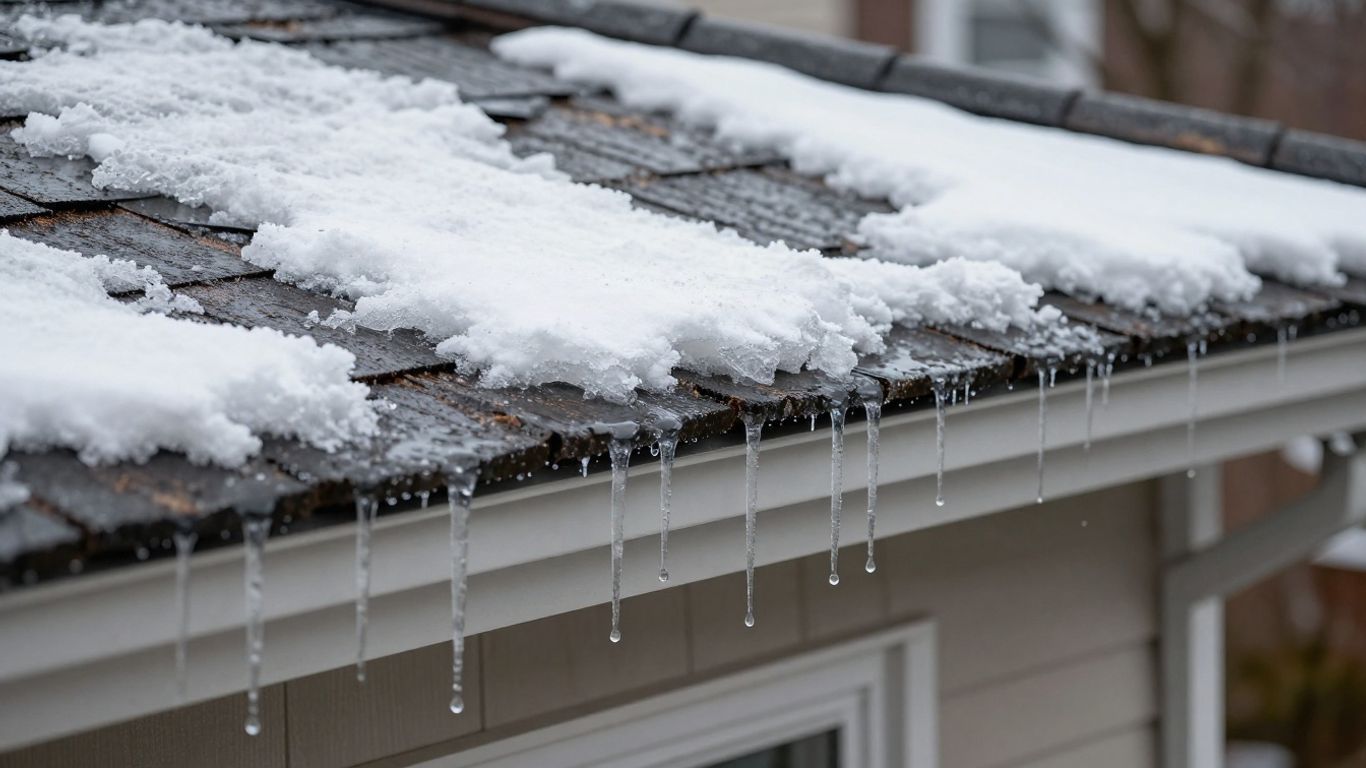
- Ice dams: These form when snow melts and refreezes at the roof’s edge, creating a barrier that can force water back up under shingles and into the house.
- Clogged gutters and downspouts: Ice, leaves, and debris can build up, preventing water from draining away from the foundation.
- Sagging roof sections: Heavy snow loads can sometimes cause parts of the roof to sag.
We should always remember that safety comes first. If a part of the roof looks too steep, too high, or just feels unsafe to get to, it’s better to leave that part to the professionals. Our goal is to do a basic check, not to perform repairs or put ourselves at risk.
It’s also a good idea to check the attic space if we can access it safely. Sometimes, leaks show up there before they become obvious on the ceiling. We’re looking for any signs of water stains, damp insulation, or mold. This early detection can save us a lot of trouble down the road.
Conducting A Thorough Spring Roof Inspection For Stafford VA Homes
After the winter months, our roofs in Stafford VA have been through a lot. Snow, ice, wind – they all take a toll. It’s time we take a good look to see what damage might have happened. A careful inspection now can save us a lot of trouble and money down the road.
Exterior Roof Checks For Damage
We should start by looking at the outside of the roof. This is where we can spot most of the obvious problems. Grab your ladder and a flashlight, and let’s get to work.
- Check the Shingles: Look for any shingles that are cracked, curled, or missing altogether. Wind can lift them, and ice can get underneath and cause damage. We want to see them lying flat and in good shape.
- Inspect the Flashing: The metal pieces around chimneys, vents, and skylights are called flashing. Make sure it’s not rusted, bent, or loose. Water can get in through gaps here.
- Examine the Gutters and Downspouts: Clogged gutters can cause water to back up onto the roof and into the house. We need to clear out any leaves or debris and make sure they are securely attached.
- Look for Granule Loss: Asphalt shingles have small granules that protect them from the sun. If you see a lot of them in your gutters or on the ground, it means the shingles are wearing out.
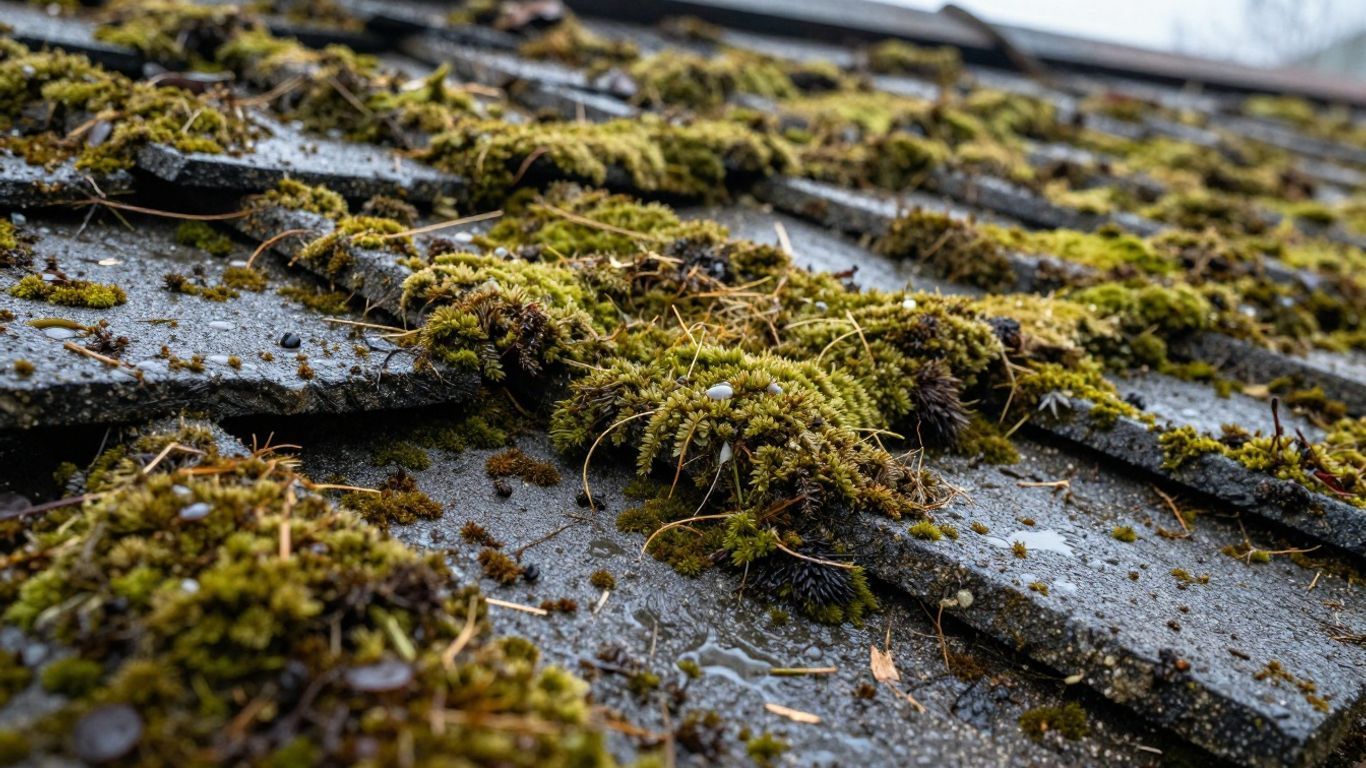
- Check for Moss or Algae: While not always a sign of damage, excessive growth can hold moisture and break down shingles over time. We might need to clean it off.
We need to be careful when we’re up on the roof. Make sure the ladder is stable and wear sturdy shoes. If the roof is too steep or we don’t feel safe, it’s better to call a professional.
Interior Attic Inspection For Leaks
Don’t forget to check the attic. This is often where we find leaks that we might not see from the outside. It’s a good place to spot water damage early.
- Look for Water Stains: Check the underside of the roof decking and the attic floor for any dark spots or water stains. These are clear signs of a leak.
- Inspect Insulation: Wet insulation doesn’t work well and can lead to mold. If it feels damp or looks discolored, it might be from a roof leak.
- Check for Daylight: On a sunny day, go into the attic with the lights off. If you can see any daylight coming through the roof, that’s a spot where water can get in.
- Examine Vent Pipes: Make sure the seals around vent pipes in the attic are intact and not damaged. These are common spots for leaks.
We should keep a record of any issues we find, maybe with photos. This will help us decide what needs fixing first and give us a good idea of the roof’s overall condition. A proactive approach to roof maintenance is key to protecting our homes.
Addressing Spring Roof Issues In Stafford VA
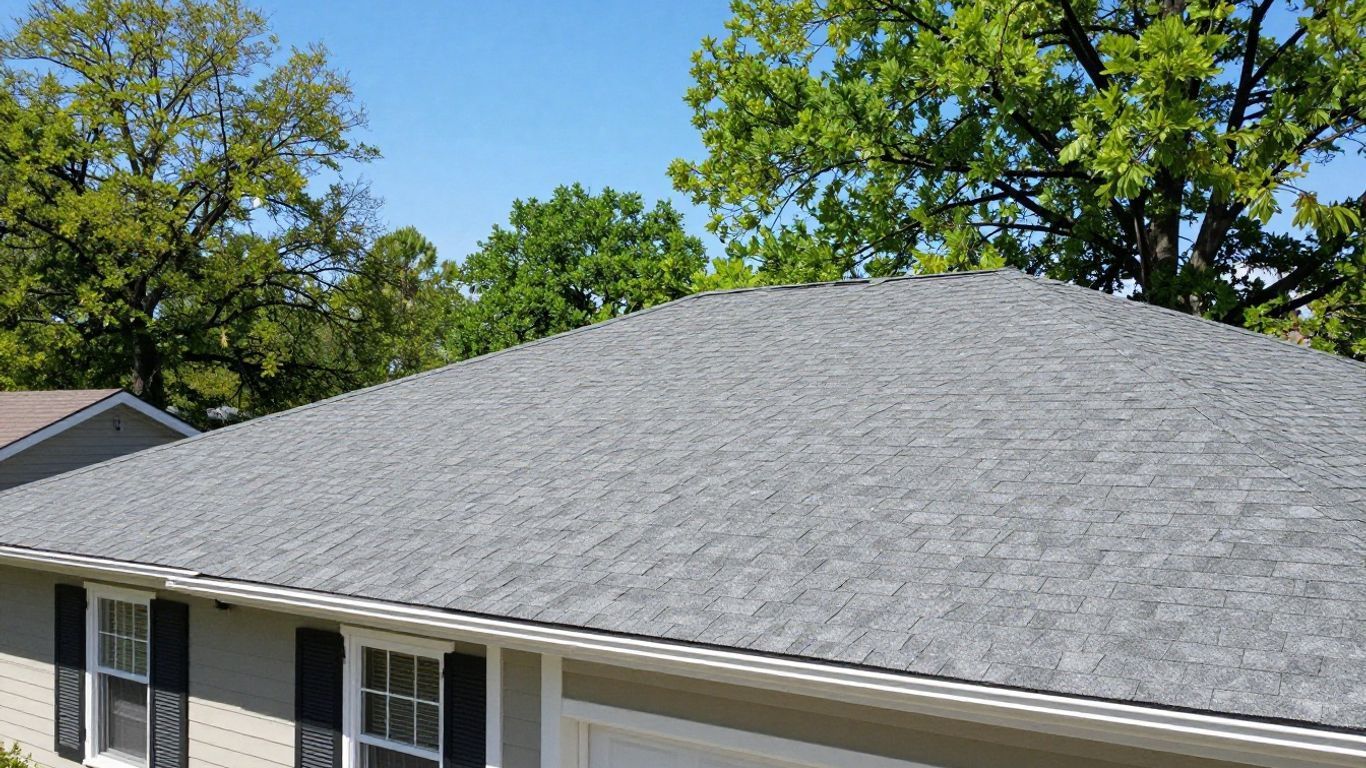
After we’ve gone through the roof and attic, we’ll have a clearer picture of what needs attention. Spring is the time to deal with any damage winter might have caused. It’s better to fix small problems now before they turn into big, expensive ones.
Prioritizing Repairs After Inspection
Once we know what’s going on, we need to figure out what to fix first. Some things are more urgent than others. We usually look at:
- Structural Damage: This includes things like sagging roof sections or damaged rafters. These are top priority because they affect the whole house.
- Water Intrusion: Any signs of leaks, even small ones, need immediate attention. Water can cause rot and mold, which are serious health and structural hazards.
- Missing or Damaged Shingles: While not always an emergency, missing shingles let water in and can lead to bigger problems down the line. We’ll want to replace these fairly quickly.
- Flashing Issues: The metal pieces around chimneys, vents, and skylights are common leak spots. If they’re bent, rusted, or loose, they need fixing.
We’ve found that tackling repairs in this order usually makes the most sense for keeping our homes safe and sound through the rest of the year.
When To Call A Professional Stafford VA Roofer
Sometimes, the issues we find are beyond what we can handle ourselves. It’s smart to know when to bring in the pros. We should call a professional roofer if:
- We see significant damage, like large sections of missing shingles or major structural sagging.
- There are signs of persistent leaks that we can’t easily locate or stop.
- We’re uncomfortable working at heights or don’t have the right safety gear.
- The repairs involve complex work, such as replacing flashing or dealing with damaged underlayment.
- We’re unsure about the extent of the damage or the best way to fix it.
For most homeowners in Stafford, VA, a professional roofer has the experience and tools to get the job done right. It might cost a bit more upfront, but it often saves us money and headaches in the long run by preventing future damage.
Wrapping Up Your Spring Roof Check
So, we’ve gone over a few things to look at on your roof this spring here in Stafford. Taking a little time now can really help avoid bigger headaches down the road. We know life gets busy, but a quick walk-around and a look from the ground can tell you a lot. If you see anything that looks off, don’t hesitate to call in a professional. They’ve got the right tools and know-how to get it sorted safely. Keeping your roof in good shape means keeping your home safe and sound, and that’s always a good idea.
Frequently Asked Questions
What are the main things we should look for when checking our roof after winter?
After a long winter, we often see issues like missing or broken shingles, which look like they’ve been lifted or cracked. We should also keep an eye out for any signs of moss or algae growth, as these can hold moisture and damage the roof over time. It’s also smart to check if any debris, like fallen branches, has piled up, as this can block water flow.
How often should we inspect our roof, especially after bad weather?
We recommend a good look-over at least twice a year, typically in the spring and fall. However, if we’ve had a really harsh winter with heavy snow, ice, or strong winds, it’s a good idea to do an extra check sooner rather than later. This helps us catch problems early before they become bigger and more expensive to fix.
When is it time to call a professional roofer instead of trying to fix things ourselves?
If we notice any significant damage, like large missing sections of shingles, sagging areas, or if we suspect a leak inside the attic, it’s definitely time to call a pro. Also, if the repairs involve working on a steep roof or if we’re unsure about how to fix something properly, it’s safer and usually more effective to get an expert involved. They have the right tools and experience to do the job safely and correctly.
The post spring roof inspection tips for stafford va homes first appeared on Taylore Roofing.