March 24, 2026
As the weather shifts in early spring, our roofs face a particular kind of stress. We’re talking about the freeze-thaw cycle. Water gets into small cracks, freezes, expands, and then thaws. This happens over and over. We’ve seen how this can really wear down roofing materials, leading to problems. It’s a common issue we deal with this time of year, and it’s good to know what to look out for.
Key Takeaways
- The repeated freezing and thawing of water can cause shingles to crack and break down over time.
- Ice dams form when snow melts and refreezes at the roof’s edge, pushing water back under shingles and into the home.
- Regular checks and prompt repairs are important to prevent freeze thaw roofing risks and potential leaks.
Understanding Freeze Thaw Roofing Risks
As the seasons shift and early spring arrives, our roofs face a particular kind of stress. We’re talking about the freeze-thaw cycle, and it’s something we really need to pay attention to. This constant back-and-forth between freezing and thawing temperatures can do a number on our shingles and the overall structure of our roofs.
How Temperature Fluctuations Damage Shingles
Think about what happens when water gets into tiny cracks in your shingles. When the temperature drops below freezing, that water turns to ice. Ice takes up more space than water, so it pushes those cracks wider. Then, when the sun comes out and things warm up, the ice melts, and the water seeps deeper into the now-larger crack. This cycle repeats, day after day. Over time, this process weakens the shingles, making them brittle and prone to breaking or curling. We’ve seen shingles that look okay from a distance but are actually quite damaged up close, with small pieces flaking off.
- Granule Loss: The protective granules on shingles can be dislodged by ice expansion.
- Cracking: Repeated expansion and contraction leads to visible cracks.
- Curling and Cupping: Shingle edges can lift or curl, exposing the underlayment.
The Impact of Ice Dams on Roof Integrity
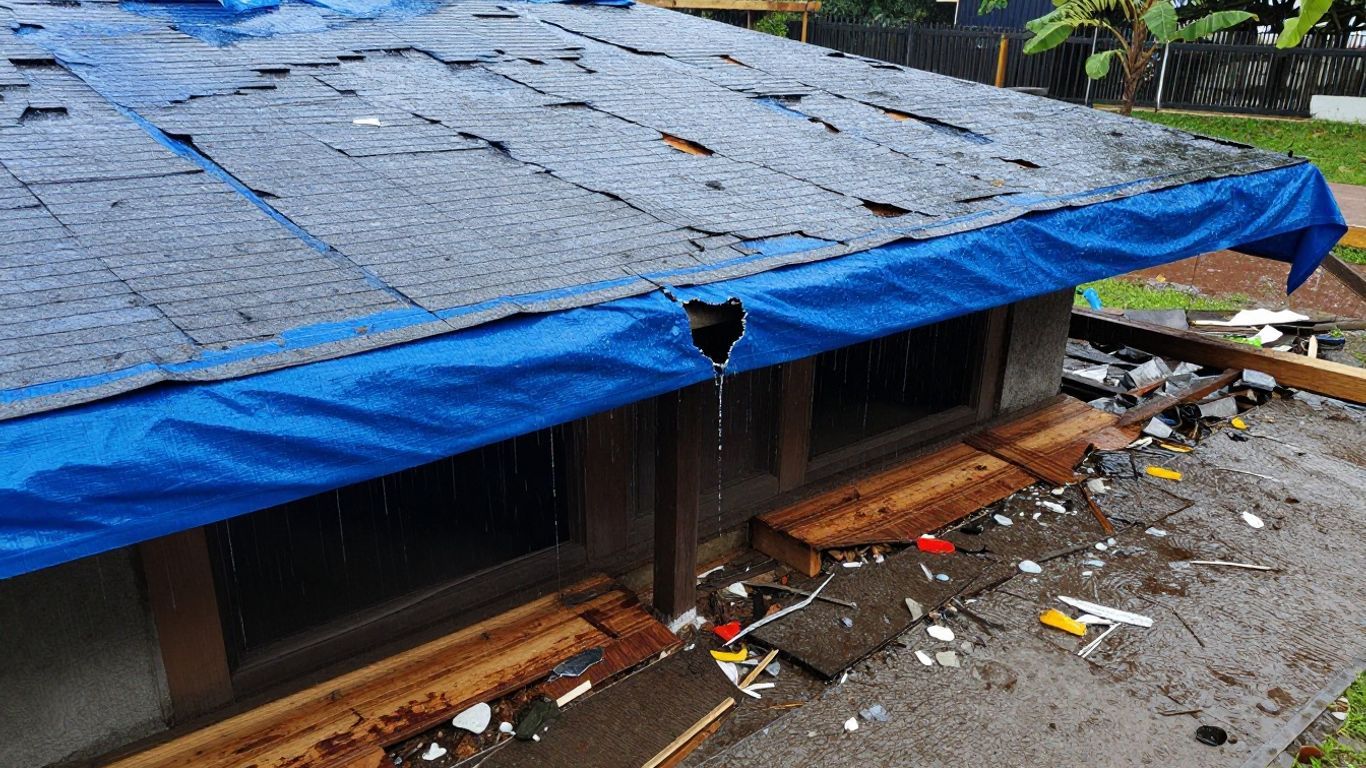
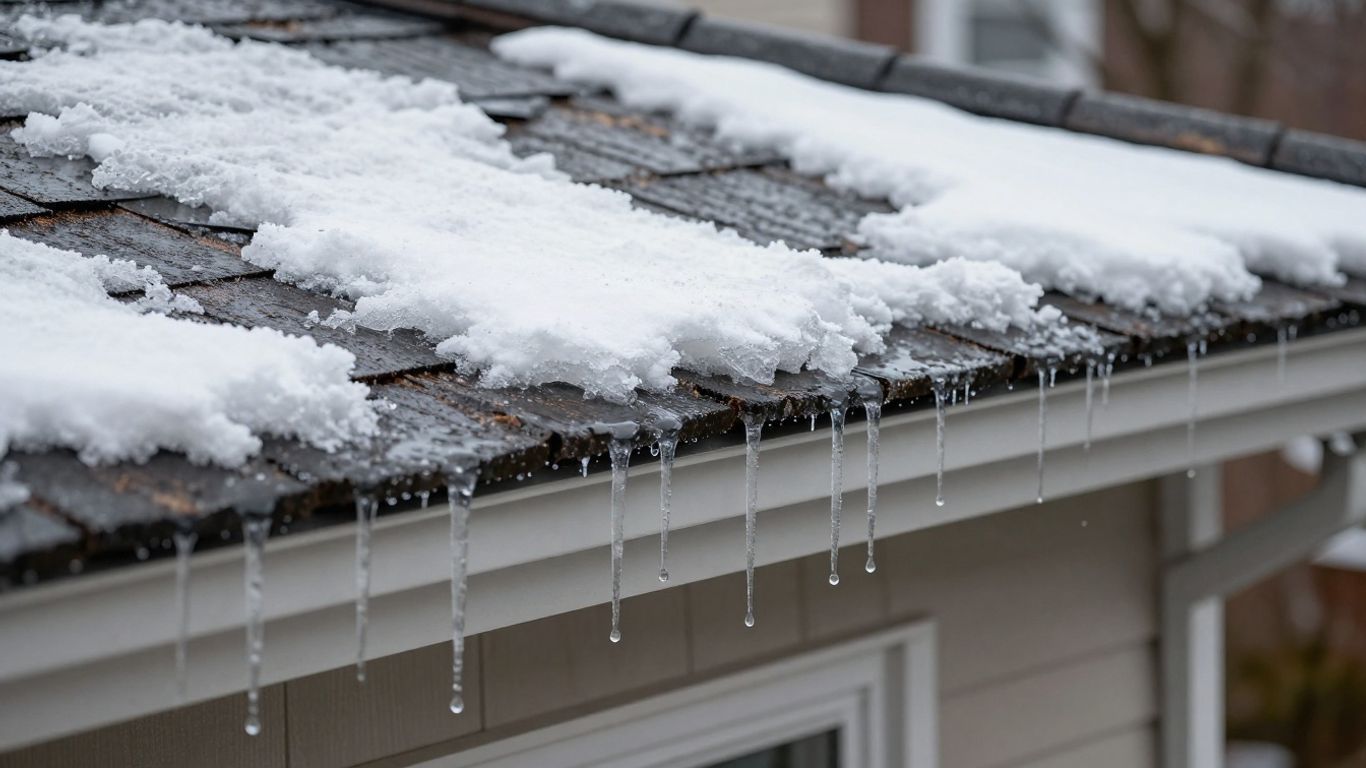
Ice dams are a more serious consequence of this cycle. They typically form at the edge of the roof when melting snow refreezes. This creates a barrier that prevents further meltwater from draining off the roof. Instead, the water backs up behind the dam and can seep under shingles and into the attic space. This trapped water is a direct pathway to interior damage, including insulation and ceiling drywall. We’ve had to deal with situations where water has dripped through light fixtures, which is never a good sign.
Here’s a quick look at how ice dams form:
- Snow covers the roof.
- Warmer areas of the roof (often above heated living spaces) melt the snow.
- Meltwater flows down to the colder roof edges.
- At the edge, the water refreezes, building up an ice dam.
- More meltwater pools behind the dam, seeking any available entry point.
We often find that attics with poor ventilation are more susceptible to ice dam formation because heat isn’t escaping the attic space efficiently, leading to uneven roof temperatures.
Mitigating Early Spring Freeze Thaw Damage
As winter loosens its grip and we head into early spring, our roofs face a particular kind of stress. The constant cycle of freezing and thawing can really take a toll, leading to potential leaks if we aren’t careful. Taking proactive steps now can save us a lot of headaches and expensive repairs down the line.
Preventative Maintenance for Roofs
We need to get out there and give our roofs a good look-over. It’s not the most glamorous job, but it’s important. Here’s what we should be focusing on:
- Clearing Debris: Gutters and downspouts can get clogged with leaves and other gunk from the fall and winter. When ice forms in blocked gutters, it can back up water under shingles. We should make sure they are clear and draining properly.
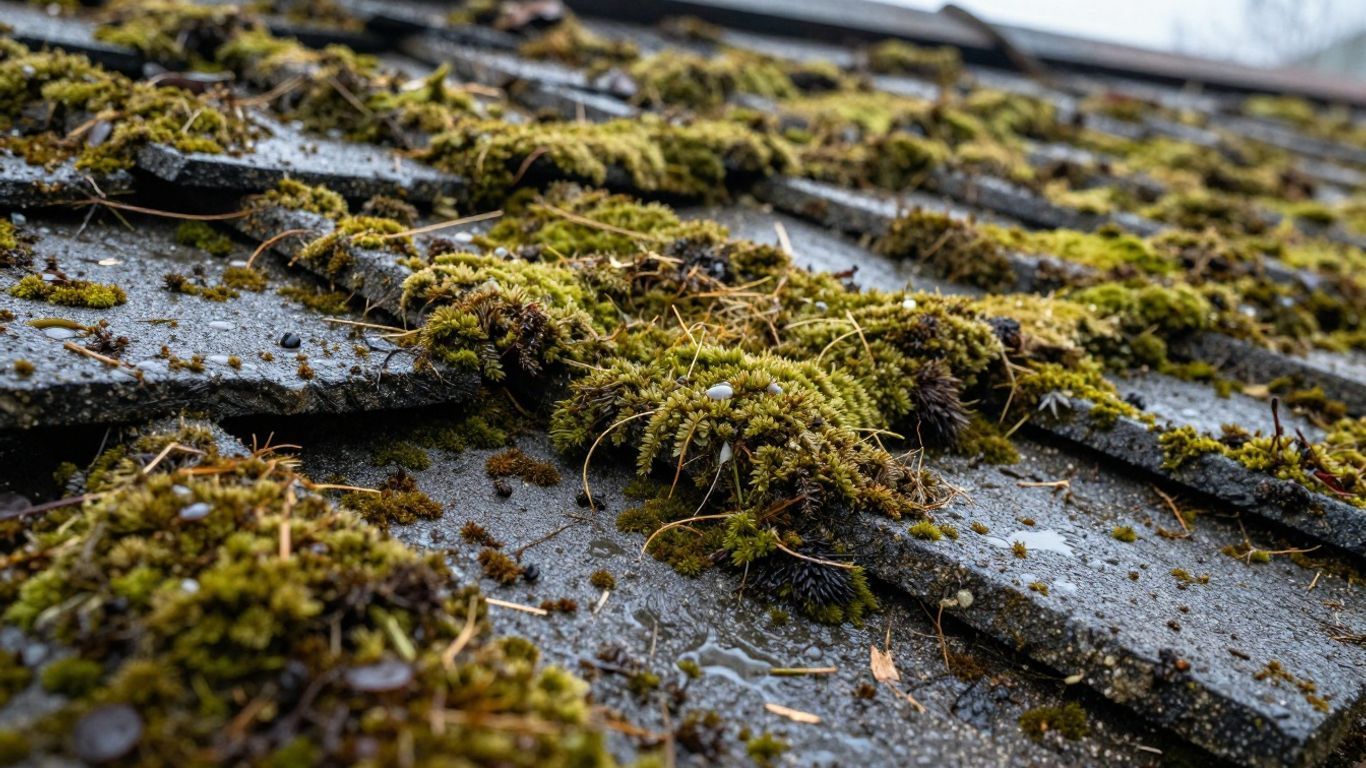
- Checking Shingles: Look for any shingles that are cracked, curled, or missing. These are weak spots where water can get in. Small damage now can become a big problem after a few more freeze-thaw cycles.
- Inspecting Flashing: The metal pieces around chimneys, vents, and skylights (called flashing) are common places for leaks. We need to check if the flashing is still sealed tight and hasn’t pulled away or rusted.
- Trimming Overhanging Branches: Branches rubbing against the roof can damage shingles over time. They also hold moisture and can contribute to ice buildup. It’s a good idea to trim them back a bit.
Identifying and Addressing Potential Leaks
Sometimes, despite our best efforts, leaks can still happen. Catching them early is key.
- Look for Water Stains: Check your attic or the top floor ceilings for any signs of water stains or discoloration. These are clear indicators that water is getting in somewhere.
- Listen for Dripping: Especially after a thaw or rain, listen carefully for any unusual dripping sounds in your attic or near walls.
- Examine Interior Walls: Sometimes, leaks can manifest as damp spots or peeling paint on interior walls, even if you don’t see it in the attic.
We should also pay attention to areas where snow tends to pile up. If we notice ice dams forming, that’s a big red flag. These dams prevent melting snow from draining off the roof, forcing water back up under the shingles and into the house. Addressing the cause of ice dams, like poor attic insulation or ventilation, is just as important as clearing them.
Here’s a quick look at what we might find and what to do:
| Problem Area | Potential Issue | Recommended Action |
|---|---|---|
| Gutters | Clogged with debris, ice buildup | Clean thoroughly, ensure proper drainage |
| Shingles | Cracked, curled, missing, granule loss | Repair or replace damaged shingles |
| Flashing | Loose, rusted, cracked sealant | Re-seal, repair, or replace flashing as needed |
| Attic Ventilation | Inadequate airflow, insulation issues | Improve ventilation, check and add insulation if needed |
| Ice Dams | Snow/ice buildup preventing drainage | Remove ice carefully, address underlying insulation/ventilation issues |
If we find anything that seems beyond a simple fix, it’s probably best to call in a professional. They have the tools and experience to handle more complex issues safely and effectively.
Wrapping Up: What We’ve Learned
So, as we’ve seen, that early spring thaw can really put our roofs through the wringer. We’ve talked about how ice dams form and how the melt-freeze cycle can make tiny cracks into bigger problems, leading to those unwelcome drips inside. It’s not just about a little water; it’s about protecting the whole structure. We really need to keep an eye on our roofs during this time of year. A quick check now could save us a lot of headaches and money down the road. Let’s make sure our homes are ready for whatever the weather throws at them.
Frequently Asked Questions
What exactly is this freeze-thaw cycle we should worry about for our roofs?
We understand that the freeze-thaw cycle is when water on your roof freezes, then melts, then freezes again. When water freezes, it expands. This expansion can push apart the materials on your roof, like shingles, over time. As spring arrives, we often see this happening a lot because the days can be warm enough to melt snow and ice, but the nights can still get cold enough to freeze things solid again. This constant change weakens your roof.
How can we tell if our roof has been damaged by this cycle or if it’s starting to leak?
We should look for signs like cracked, curled, or missing shingles. You might also notice dark spots or streaks on your shingles, which can be a sign of moisture. Inside your home, look for water stains on ceilings or walls, especially near the top floor or attic. Sometimes, you might even see mold or mildew growing. If you notice any of these, it’s important to investigate further.
What are the best ways we can protect our roofs from these early spring problems?
We can take steps to prevent damage before it becomes a big issue. Keeping your gutters clean is crucial because clogged gutters can cause water to back up onto the roof and freeze. We should also check for any areas where ice tends to build up, like around vents or chimneys, and consider ways to improve drainage. Regular roof inspections, even just a quick visual check from the ground, can help us spot small problems before they turn into costly leaks.
The post freeze thaw roof stress and leak risks in early spring first appeared on Taylore Roofing.