January 6, 2026
When winter hits hard, we often think about how our homes will hold up. Snow piles, ice forms, and the wind can really howl. We’ve been looking into building materials that can handle these tough conditions, and one option keeps coming up: metal roofs. Specifically, we’re exploring the advantages of metal roofing for cold climates and why it might be a smart choice for many homeowners facing serious winter weather.
Key Takeaways
- Metal roofs are great for shedding snow quickly, which helps prevent heavy build-up and potential damage to your home.
- Their smooth surface helps stop ice dams from forming, a common problem that can lead to leaks and costly repairs.
- Metal roofing stands up well to the extreme temperature swings and strong winds often found in winter weather, lasting a long time.
Superior Performance Of Metal Roofing For Cold Climates
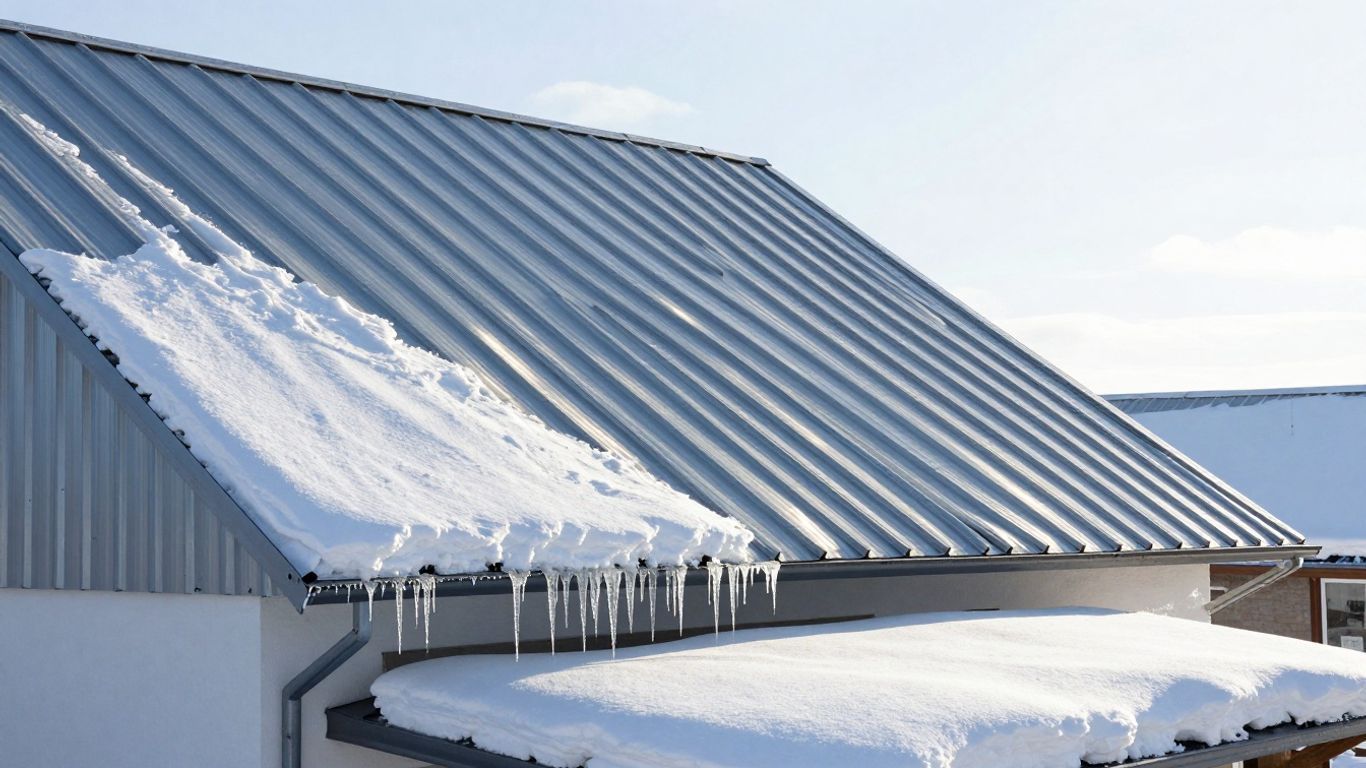
When we think about roofing in places that get a lot of snow and ice, metal really stands out. It’s not just about looking good, though that’s a plus. We’ve found that metal roofs just perform better when the temperature drops and the snow starts piling up. They handle winter conditions in ways that other materials struggle with.
Snow Shedding Capabilities
One of the biggest headaches in winter is snow. It can build up, get heavy, and cause all sorts of problems. Metal roofs, with their smooth surfaces, are fantastic at letting snow slide right off. This isn’t just a minor convenience; it’s a major benefit for homeowners in snowy regions. We don’t have to worry as much about shoveling the roof or the weight of the snow causing damage. The slick surface means snow has a hard time sticking, and when it does, gravity usually takes care of it.
- Reduced Snow Load: Less snow accumulation means less stress on your home’s structure.
- Safety: Prevents dangerous snow slides that can happen suddenly.
- Maintenance: Significantly cuts down on the need for manual snow removal.
Ice Dam Prevention
Ice dams are another common winter woe. They form when snow melts and then refreezes at the edge of the roof, creating a barrier that traps more water. This backed-up water can seep under shingles and into your home, causing water damage. Metal roofs help prevent this in a couple of ways. First, their smooth surface and the way they shed snow mean less melting and refreezing cycles happen in the first place. Second, metal panels are installed over solid sheathing, often with a waterproof underlayment, creating a more robust barrier against water intrusion compared to traditional asphalt shingles.
We’ve seen firsthand how a well-installed metal roof can make a real difference in preventing those nasty ice dams that plague so many homes during the coldest months. It’s a proactive solution that saves a lot of potential trouble down the line.
Here’s a quick look at why metal is better for ice dam prevention:
- Smooth Surface: Snow slides off before it can melt and refreeze.
- Thermal Conductivity: Metal can help regulate roof temperature, reducing melt-freeze cycles.
- Interlocking Panels: Creates a tighter seal than overlapping shingles, stopping water.
- Underlayment: Modern installations include advanced waterproof layers for extra protection.
Durability And Longevity In Harsh Winter Conditions
When we think about roofing in places that get a lot of snow and ice, we often worry about how well it’ll hold up. Winter can be really tough on a house, and the roof takes a beating. That’s where metal roofing really shines. It’s built to last, even when the weather gets nasty.
Resistance To Extreme Temperatures
Metal roofs don’t get brittle when it’s freezing cold, and they don’t warp or sag when it gets hot. This is a big deal. Unlike some other materials that can crack or break after going through a lot of freeze-thaw cycles, metal just keeps doing its job. We’ve seen metal roofs perform consistently year after year, no matter how low the thermometer drops or how high it climbs during the summer.
- Metal expands and contracts with temperature changes, but modern metal roofing systems are designed to handle this movement without damage.
- This flexibility means fewer stress points that could lead to leaks or structural issues over time.
- We’ve found that this resilience translates directly into a longer lifespan for the roof.
Wind Uplift Protection
Winter storms often bring strong winds, and wind uplift is a serious concern for any roof. This is when wind tries to lift the roofing material off the structure. Metal roofing systems, when installed correctly, offer some of the best protection against this. The way the panels interlock and are fastened down makes it very difficult for wind to get underneath and cause damage. We’ve seen studies and real-world examples where metal roofs have stayed put during hurricane-force winds, which is pretty impressive.
Here’s a quick look at how metal roofing stacks up against other common materials in high-wind situations:
| Roofing Material | Wind Uplift Resistance (Typical) |
|---|---|
| Asphalt Shingles | Up to 120 mph |
| Metal Standing Seam | Up to 160 mph+ |
| Tile Roofing | Varies greatly by installation |
We’ve found that the secure fastening methods and the interlocking nature of metal panels are key to their superior performance in windy conditions. This isn’t just about keeping the roof on; it’s about preventing secondary damage that can occur when roofing material is compromised.
So, when you’re looking at roofing options for a cold climate, the durability and longevity of metal are hard to beat. It’s an investment that pays off in the long run, giving us peace of mind through even the harshest winters.
Wrapping It Up
So, when we look at putting a new roof on our homes in places that get a lot of snow and ice, metal really stands out. We’ve talked about how it handles the weight, sheds snow easily, and doesn’t get damaged by freezing and thawing like other materials. Plus, it lasts a really long time, which means less worry and less money spent over the years. It just makes sense for us to consider metal when we’re thinking about keeping our houses safe and warm through those tough winter months. It’s a solid choice that pays off.
Frequently Asked Questions
Will snow just slide off a metal roof?
Yes, that’s one of the best things about metal roofs in snowy places! Because they are so smooth, snow doesn’t stick to them like it does to shingles. This means snow often slides right off, which is great because we don’t have to worry as much about heavy snow piling up.
Can metal roofs handle really cold temperatures without getting damaged?
Absolutely. Metal roofs are built tough. They don’t get brittle or crack when it’s super cold, unlike some other materials. We’ve seen them stand up to freezing and thawing cycles year after year without any problems, keeping our homes protected.
Do metal roofs help stop ice dams from forming?
They certainly do. Ice dams happen when snow melts and then refreezes at the edge of the roof, creating a barrier that can cause water to back up. The smooth surface of a metal roof helps this meltwater flow away more easily, significantly reducing the chance of ice dams forming and causing leaks.
The post The Benefits of Metal Roofing in Cold Climates first appeared on Taylore Roofing.