October 31, 2025
Picking the right roof for your business is a pretty big deal. It’s not just about how it looks, but also how well it holds up over time and how much it costs. This guide from Taylore Roofing is here to break down all the options and help you make a smart choice for your commercial property. We’ll cover everything from the different types of roofs out there to what to expect when it’s time for a replacement. Let’s get started on protecting your investment.
Key Takeaways
- There are several commercial roofing systems available, each with different strengths. Think about what your building needs and what fits your budget.
- The material you choose matters a lot for how long the roof lasts and how well it works. Consider your local weather and any potential damage risks.
- Budgeting is key. Figure out the costs for materials, labor, permits, and anything unexpected. Financing options might be available too.
- Hiring a good contractor is super important. Look for someone with experience, good reviews, and clear warranty information.
- A well-planned replacement process, from start to finish, with good communication and quality checks, will save you headaches and ensure a solid roof.
Understanding Your Commercial Roofing Options
Picking the right roof for your business building isn’t just about keeping the rain out. It’s a big decision that affects how long your building lasts, how much energy you use, and even how it looks. There are quite a few different kinds of roofs out there for commercial places, and each one has its own good points and things to think about. We’re going to break down some of the most common types so you can get a better idea of what might work for you.
Exploring Different Commercial Roofing Systems
When you look at commercial buildings, you’ll notice they often have flat or low-slope roofs. This is different from most houses. These types of roofs are popular because they’re generally easier to work on for maintenance and repairs, and they give you a lot of flexibility for things like HVAC units or solar panels. Some of the main systems you’ll see include:
- Built-Up Roofing (BUR): This is one of the oldest types, often called "tar and gravel." It’s made of several layers of asphalt and reinforcing materials, topped with gravel or a reflective coating. It’s pretty tough and good at handling water.
- Modified Bitumen: Think of this as an upgraded version of BUR. It’s a single-ply membrane made from asphalt modified with polymers. It’s more flexible and can handle movement better than traditional BUR.
- Single-Ply Membranes: These are large sheets of synthetic material that are rolled out and attached to the roof. The most common types are TPO (Thermoplastic Polyolefin), EPDM (Ethylene Propylene Diene Monomer), and PVC (Polyvinyl Chloride). They’re known for being durable, energy-efficient, and good at resisting UV rays and chemicals.
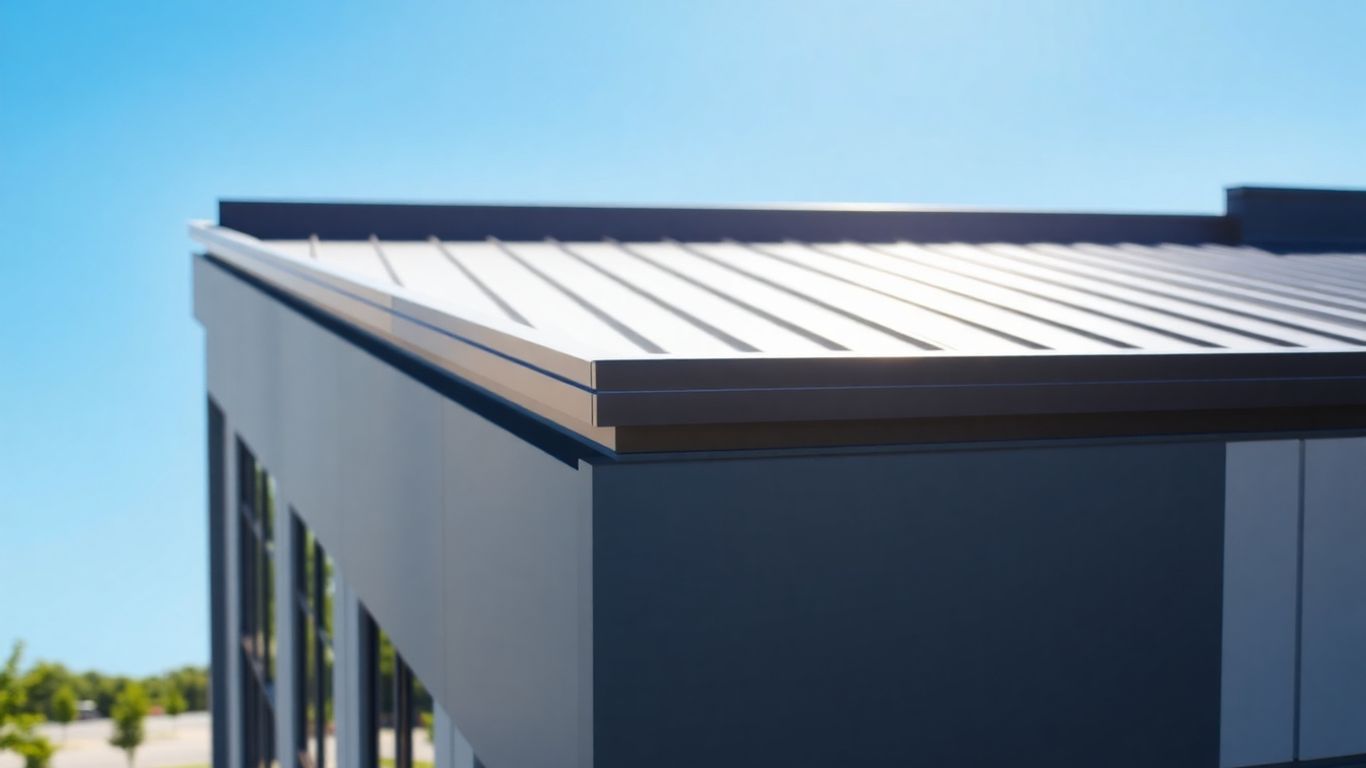
- Metal Roofing: While you might think of metal roofs on houses, they’re also a great option for businesses. They can be made from steel, aluminum, or copper and come in various styles, like standing seam panels. They’re super durable and can last a very long time.
- Spray Polyurethane Foam (SPF): This is a liquid foam that’s sprayed onto the roof and expands to create a seamless, waterproof layer. It also adds insulation. It’s great for complex roof shapes but needs regular maintenance.
Key Characteristics of Industrial Roof Types
Each roofing system has its own set of features that make it suitable for different situations. It’s not just about looks; it’s about how it performs over time.
- Durability: How long will the roof last? Some materials, like metal, can last 50 years or more, while others might need replacement sooner. This is tied to the material’s strength and how well it holds up against the elements.
- Weather Resistance: This is a big one. Does it handle heavy rain, snow, strong winds, or intense sun well? Some roofs are better at shedding water, while others are designed to reflect heat or withstand hail.
- Energy Efficiency: Many modern roofing systems can help reduce your energy bills. Reflective coatings or light-colored membranes can bounce sunlight away, keeping the building cooler in the summer. Some foam systems also add a good layer of insulation.
- Maintenance Needs: How much work will it take to keep the roof in good shape? Some systems require very little upkeep, while others need regular inspections and cleaning to perform their best.
Here’s a quick look at some common types:
| Roofing System | Typical Lifespan | Key Benefit(s) | Common Use Cases |
|---|---|---|---|
| Built-Up Roofing (BUR) | 15-30 years | Cost-effective, good water resistance | Low-slope roofs, older buildings |
| Modified Bitumen | 10-20 years | More flexible than BUR, good for traffic | Low-slope roofs, areas with foot traffic |
| TPO/PVC | 15-30 years | Energy efficient, UV resistant, cost-effective | Low-slope roofs, new construction, retrofits |
| EPDM | 20-30 years | Durable, weather resistant, flexible | Low-slope roofs, buildings needing high resilience |
| Metal Roofing | 40-70+ years | Very durable, long-lasting, fire resistant | Various slopes, industrial, retail, warehouses |
| SPF | 15-20 years | Excellent insulation, seamless, waterproof | Complex roof shapes, energy efficiency focus |
Matching Roof Types to Building Purpose and Design
So, how do you pick the right one? It really depends on what your building is used for and what it looks like.
- Warehouses and Industrial Facilities: These often need tough, durable roofs that can handle a lot of space and potentially heavy equipment on the roof. Metal roofs or robust single-ply membranes like EPDM are often good choices here because of their longevity and resistance to the elements.
- Retail Stores and Office Buildings: Appearance can be more important here, along with energy efficiency. Single-ply membranes like TPO or PVC, which come in various colors and can be highly reflective, are popular. Metal roofs can also offer a modern look.
- Restaurants and Food Processing Plants: Chemical resistance is a big factor. PVC roofing is often preferred because it holds up well against grease and other chemicals commonly found in these environments.
- Buildings with Complex Shapes: If your building has a lot of curves, angles, or penetrations, Spray Polyurethane Foam (SPF) can be a great option because it can be applied to virtually any surface, creating a seamless barrier.
Choosing a roofing system is more than just picking a material. It’s about understanding how that system will perform over its lifespan, how it will interact with your building’s specific needs, and what kind of upkeep it will require. Don’t rush this decision; it’s a significant investment in your property’s future.
Ultimately, the best roofing system for your business will be one that balances cost, performance, longevity, and your specific operational needs. Talking to a professional roofing contractor is the best way to figure out which option is the perfect fit.
Selecting the Ideal Commercial Roofing Material
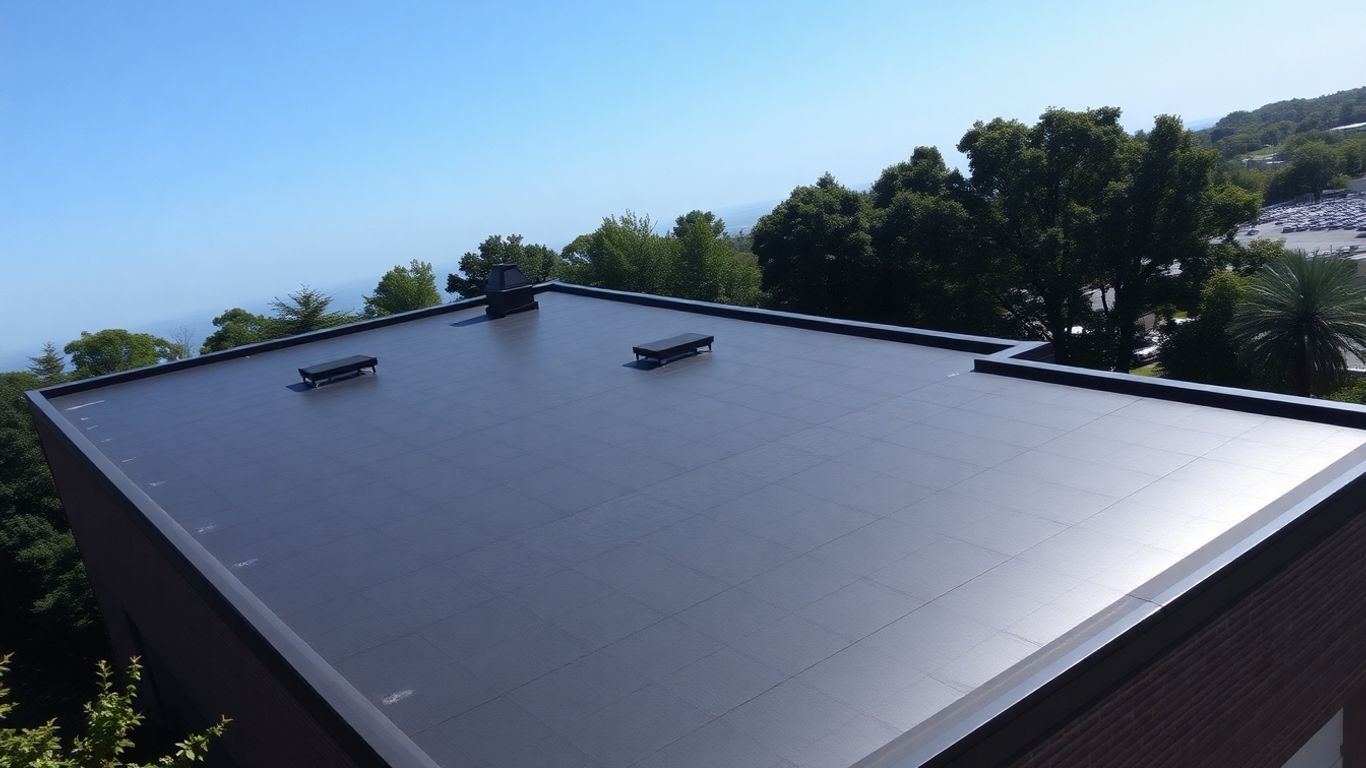
Choosing the right material for your business’s roof isn’t just about picking something that looks good; it’s a big decision that affects your building’s performance, how long it lasts, and even your energy bills. You’ve got a bunch of options out there, and figuring out which one is best can feel a bit overwhelming. Let’s break down what you really need to think about.
Balancing Longevity and Performance with Material Choice
When you’re looking at different roofing materials, think about how long they’re supposed to last and how well they’ll hold up over time. Some materials, like metal or certain single-ply membranes such as TPO or EPDM, tend to have a longer lifespan, often 30 to 50 years. While they might cost more upfront, their durability and lower maintenance needs can make them a better investment in the long run. Other options, like asphalt or modified bitumen, are more budget-friendly initially but might need more attention or replacement sooner. It’s a trade-off, and you need to decide what makes the most sense for your business’s financial plan and how long you expect the roof to serve you.
Considering Climate and Environmental Resilience
Your local weather is a huge factor. If you’re in an area with heavy snow, you’ll need a roof that can handle the weight and prevent leaks. For places with intense sun, materials that reflect heat, like TPO or PVC, can really help keep your building cooler and cut down on air conditioning costs. Ignoring your climate can lead to problems down the road, so it’s smart to pick something built to handle what Mother Nature throws at it. For example, commercial roofing solutions in warmer climates often prioritize heat deflection.
Evaluating Durability and Resistance to Hazards
Commercial buildings often face more wear and tear than homes. Think about what your roof might be exposed to – strong winds, hail, or even chemicals if you’re in an industrial area. Some materials are naturally tougher than others. Metal roofs, for instance, are pretty resistant to fire and wind. Single-ply membranes can also be quite durable and resistant to punctures. It’s worth looking into the specific resistance properties of each material against common local hazards. You want a roof that can stand up to the elements and whatever else your business environment might present.
Choosing a roofing material isn’t just about the price tag today. It’s about making a smart investment that will protect your business for years to come, considering everything from the weather outside to the daily operations inside.
Budgeting for Your Commercial Roofing Project
Okay, so you’re looking at getting a new roof for your business. That’s a big deal, and let’s be real, it’s probably not going to be cheap. Thinking about the money side of things right from the start is super important. You don’t want to get halfway through and realize you’ve blown your budget. It’s all about being smart with your cash so the project goes smoothly without causing a financial headache.
Estimating Costs for Materials and Labor
When you’re figuring out how much this is going to cost, the biggest chunks are usually the materials and the people doing the work. Different roofing materials have wildly different price tags. Think about it: a basic asphalt shingle roof is going to cost less upfront than a fancy metal roof or a high-tech single-ply membrane system. The material you pick isn’t just about looks; it’s about how long it’ll last and how well it holds up to whatever weather your area throws at it. Then there’s the labor. This can change a lot depending on how complicated the job is, how easy it is to get to your roof, and who you hire. A really experienced crew might cost a bit more per hour, but they often get the job done right the first time, which can save you money down the road.
Here’s a rough idea of what influences these costs:
- Roof Size and Complexity: Bigger roofs mean more materials and more time. If your roof has a lot of angles, vents, or different levels, it’s going to take longer to cover.
- Material Choice: As mentioned, this is a huge factor. Metal, TPO, EPDM, asphalt shingles – they all have different price points.
- Labor Rates: These vary by region and by the contractor’s reputation and skill level.
- Roof Condition: If the old roof needs a lot of prep work or if there’s damage to the underlying structure, that adds to the cost.
Accounting for Permits and Unexpected Expenses
Beyond the big two (materials and labor), there are other costs to keep in mind. You’ll almost certainly need permits from your local city or county. These fees can add up, and they’re non-negotiable. Plus, you’ve got to be ready for the curveballs. Sometimes, when contractors start tearing off the old roof, they find hidden problems – maybe the roof deck is rotten, or there’s water damage you couldn’t see. It’s wise to set aside a little extra cash, maybe 10-15% of your estimated total, for these ‘just in case’ moments. It’s better to have it and not need it than to need it and not have it.
Always ask your contractor about potential hidden costs and how they handle unexpected issues. A good contractor will be upfront about this possibility and have a clear process for addressing it.
Exploring Financing Options and Incentives
If the total cost seems a bit steep for your current budget, don’t despair. There are ways to manage the expense. Many roofing companies offer financing plans that let you spread the payments out over time, making it more manageable for your business’s cash flow. You might also want to look into any available incentives. Sometimes, governments or utility companies offer rebates or tax credits for using energy-efficient roofing materials, which can save you money both upfront and on your energy bills later on. It’s worth doing a little digging to see what might be available for your specific project and location.
The Importance of Hiring a Professional Contractor
When it comes to your business’s roof, you’ve got a lot of choices. But one decision stands out: who’s going to do the work? Trying to cut corners by hiring someone without the right background or experience can lead to more problems than it solves. A professional roofing contractor brings a level of skill and knowledge that’s hard to match. They understand the complexities of different roofing systems and how to install them correctly, which is super important for the longevity of your roof and the safety of your building.
Identifying Credentials and Experience
So, how do you spot a good contractor? Start by looking at their credentials. Are they licensed and insured? This isn’t just paperwork; it means they’ve met certain standards and have protection in place if something goes wrong. Ask about their experience specifically with commercial roofing projects similar to yours. A contractor who’s been around the block a few times will have a better handle on potential issues and how to avoid them. It’s also a good idea to see if they have any special certifications. For example, some manufacturers certify contractors to install their specific products, which can be a sign of quality.
Reviewing Track Records and Customer Feedback
Don’t just take their word for it. Check out what past clients have to say. Online reviews are a good starting point, but don’t stop there. Ask the contractor for references from recent commercial projects. Give those references a call and ask about their experience. Were they happy with the work? Was the project completed on time and within budget? Did the contractor communicate well throughout the process? A solid track record and positive feedback are strong indicators of a reliable company. You can also look into their history with local building departments to see if there have been any complaints.
Understanding Offered Warranties and Communication
What happens after the job is done? This is where warranties come in. A good contractor will offer a warranty on both their workmanship and the materials used. Make sure you understand exactly what the warranty covers, for how long, and what steps you need to take if you ever need to make a claim. Clear communication is also key. You should feel comfortable asking questions and expect prompt, clear answers. A contractor who keeps you in the loop about project progress, potential delays, and any unexpected issues is one you can trust. This kind of transparency helps avoid misunderstandings down the road and makes the whole process much smoother. For more on choosing the right professionals, check out commercial roofing companies.
Navigating the Commercial Roof Replacement Process
Replacing a commercial roof can feel like a big undertaking, but with a solid plan, it doesn’t have to be a headache. It’s all about breaking it down into manageable steps. Think of it like planning a big trip – you wouldn’t just hop in the car and go, right? You map out the route, pack your bags, and figure out where you’re staying. A roof replacement is similar.
Initial Assessment and Strategic Planning
First things first, you need to know exactly what you’re dealing with. This means getting a really good look at your current roof. Is it just old, or are there hidden problems like water damage or structural issues? A thorough inspection by a professional is key here. They can spot things you might miss and help you figure out the best approach. This assessment forms the basis for your entire plan, from choosing materials to setting a budget. Don’t skip this crucial first step.
Establishing Project Timelines and Coordination
Once you know what needs to be done, it’s time to figure out when and how. Creating a realistic timeline with clear milestones is super important. This helps keep everyone on track and avoids delays. You’ll also need to coordinate with anyone who uses the building – tenants, employees, or customers. The goal is to minimize disruptions to their daily routines. Think about when it’s least busy for your business or when weather conditions are most favorable for the work.
Here’s a general idea of what a timeline might look like:
- Week 1-2: Initial assessment, contractor selection, and material choices.
- Week 3-4: Permitting and final scheduling.
- Week 5-8: Roof tear-off and installation (this can vary greatly).
- Week 9: Final inspection and project sign-off.
Ensuring Quality Assurance During Execution
This is where the actual work happens. It’s vital that the roofing crew sticks to the plan and follows industry best practices. Regular check-ins with the contractor are a good idea. You want to make sure the work is being done right, from the ground up. This isn’t just about slapping on new shingles; it’s about building a system that will last. Asking questions and staying involved, without getting in the way, helps guarantee the quality of the final product. It’s about making sure every detail is handled correctly.
A well-executed roof replacement protects your business from the elements and can even improve energy efficiency. It’s an investment in the long-term health and value of your property.
Finalizing Your Commercial Roofing Investment
So, you’ve gone through the whole process – picking the right system, figuring out the budget, and getting it installed. Now what? It’s time to wrap things up and make sure your new roof is going to last. This final stage is all about making sure the job is done right and setting yourself up for the long haul.
Conducting a Thorough Final Inspection
Before you sign off completely, a detailed final inspection is a must. This isn’t just a quick look-over; it’s a deep dive to catch any little things that might have been missed during the installation. You want to check that all materials are properly installed, that drainage systems are clear, and that there are no visible defects. This final check is your last chance to ensure the work meets all agreed-upon standards. It’s also a good time to get all the documentation, like warranty papers and maintenance guides, from your contractor.
Implementing a Regular Maintenance Schedule
Putting a new roof on your building is a big deal, and you want it to stay in good shape. That’s where a regular maintenance plan comes in. Think of it like taking your car in for oil changes; it prevents bigger problems down the road. This means scheduling inspections at least twice a year, usually in the spring and fall, to catch any wear and tear from weather or debris. Keeping drains and gutters clear is also a big part of this. Proper drainage is key to preventing water buildup, which can cause all sorts of headaches.
Here’s a quick rundown of what maintenance might involve:
- Scheduled Inspections: Professional check-ups to spot potential issues early.
- Debris Removal: Keeping the roof surface clear of leaves, branches, and other gunk.
- Drainage System Checks: Making sure gutters and downspouts are free-flowing.
- Prompt Repairs: Addressing any minor damage immediately before it gets worse.
Neglecting regular upkeep can turn small, inexpensive fixes into major, costly repairs. It’s about protecting your investment and avoiding unexpected disruptions to your business operations.
Considering Future Occupancy Plans
Your building’s future use can also influence how you think about your roof. If you’re planning to stay put for the long haul, investing in a top-notch, energy-efficient roof makes a lot of sense. It adds value and can lower your operating costs over time. On the flip side, if you’re thinking about selling or leasing the property in the near future, a new, well-maintained roof can be a major selling point. It makes the building more attractive to potential buyers or tenants and can help you get a better price. Thinking about these plans now helps you get the most out of your commercial construction investments.
| Scenario | Benefit of New Roof | Focus Area |
|---|---|---|
| Long-Term Occupancy | Increased property value, lower energy costs | Durability, energy efficiency, low maintenance |
| Sale/Lease Soon | Enhanced market appeal, higher sale/lease price | Aesthetics, immediate functionality, warranty |
| Undecided | Protects investment, flexibility for future decisions | Balanced approach, professional advice |
Wrapping It Up
So, picking the right roof for your business isn’t just about slapping something on top. It’s a big decision that affects your building for years, not to mention your wallet and how comfortable everyone inside is. We’ve talked about looking at the weather where you are, what your building is used for, and how much you can spend. Don’t forget to think about the long haul, too – how long you plan to stay in the building and if you want to save on energy costs. It can feel like a lot, but that’s why having a good roofing pro, like the folks at Taylore Roofing, in your corner makes all the difference. They can help you sort through all the options and make sure you end up with a roof that works for you, now and down the road.
Frequently Asked Questions
What are the main types of commercial roofs?
There are several kinds of commercial roofs, like built-up roofs (BUR), single-ply membranes (such as TPO, EPDM, and PVC), and metal roofing systems. Each has its own strengths depending on your building’s needs and your budget.
How do I choose the best material for my business roof?
Think about your local weather, like how much sun or snow you get. Also, consider how strong your building is and what it’s used for. Talking to a roofing expert can help you pick a material that lasts long and works well for your specific situation.
What costs should I expect for a new commercial roof?
Costs include the materials, the workers’ labor, any permits needed, and maybe some extra money for unexpected issues. The size and type of your roof, as well as how easy it is to access, will affect the total price.
Why is it important to hire a professional roofing company?
Pros have the experience and skills to do the job right. They know about different materials, building codes, and safety. Plus, they usually offer warranties, which protect your investment. A good contractor makes the whole process smoother and ensures quality work.
What’s the process for replacing a commercial roof?
It starts with checking your current roof to see what needs fixing and planning the new one. Then, a timeline is set, and the work begins. Quality checks happen throughout the project to make sure everything is done correctly.
What happens after the new roof is installed?
After installation, a final check is done to make sure everything looks good and is working properly. It’s also a good idea to set up a regular maintenance plan to keep your new roof in great shape for years to come.
The post Choosing the Right Roofing System for Your Business: A Guide by Taylore Roofing first appeared on Taylore Roofing.