October 31, 2025
Your roof does a lot to keep your home safe and sound. But like anything, it doesn’t last forever. Over time, wear and tear can take their toll, and you might start wondering if it’s time for a new one. Figuring out when to replace your residential roofing isn’t always obvious. We’ve put together some expert tips to help you spot the signs and make the right decision for your home. Let’s get into it.
Key Takeaways
- Watch for signs of water damage, like leaks or stains, as these can indicate serious issues with your residential roofing that simple repairs might not fix.
- Keep an eye on your repair expenses. If you’re spending a lot to fix your roof often, it might be more cost-effective to replace the entire residential roofing system.
- Assess the type and spread of damage. Small problems can usually be fixed, but widespread issues or damage in hard-to-reach spots often mean replacement is the best route for your residential roofing.
- Plan ahead for a new roof. Consider the best time of year for installation, get clear quotes, and think about how a new residential roofing project fits into your budget and long-term property plans.
- Working with qualified residential roofing contractors is important. They can help you understand your options, provide accurate quotes, and do the job right, giving you peace of mind and a quality roof.
Recognizing the Signs of Roof Deterioration
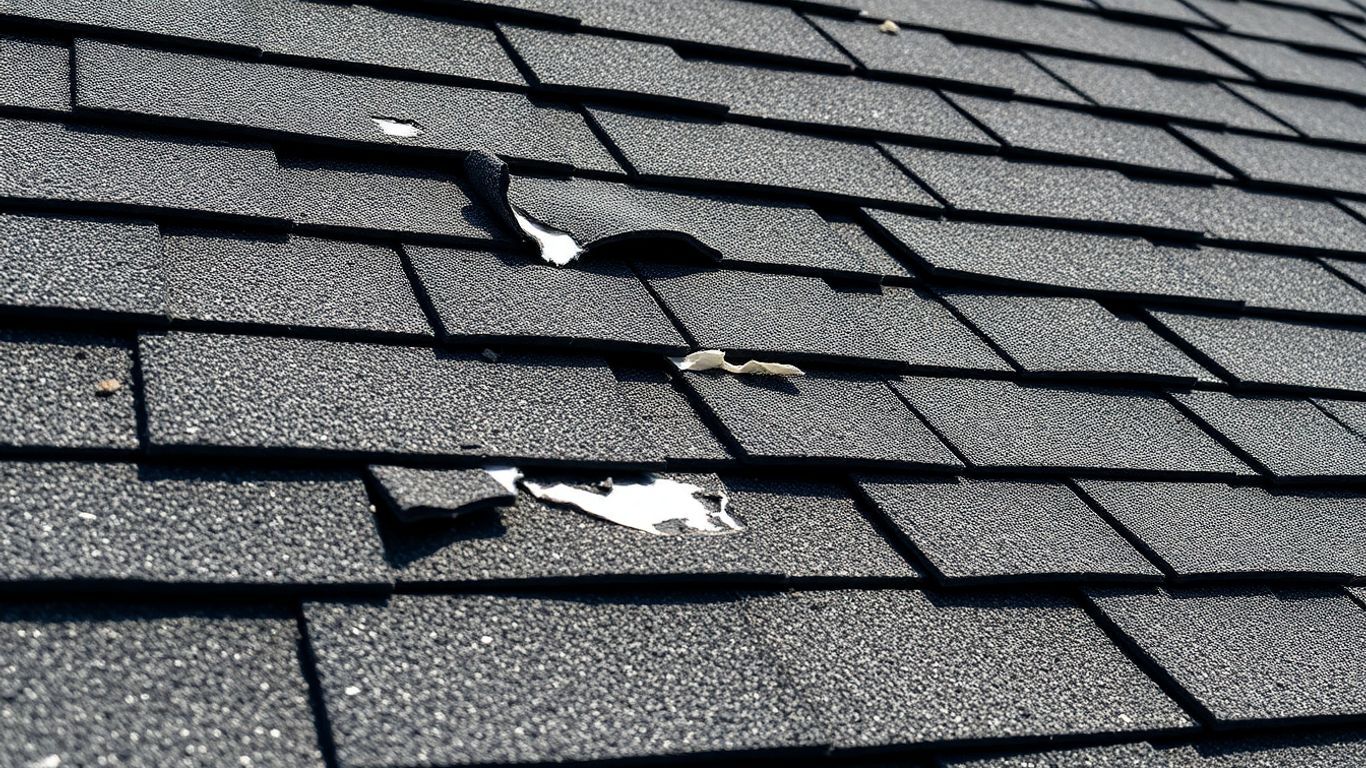
Your roof works hard, day in and day out, to keep your home safe and dry. But like anything, it doesn’t last forever. Over time, wear and tear can start to show, and ignoring these signs can lead to bigger, more expensive problems down the road. Paying attention to the subtle (and not-so-subtle) cues your roof is giving you is key to knowing when it’s time for a replacement.
The Impact of Water Intrusion on Residential Roofing
Water is the biggest enemy of any roof. When water gets in and can’t get out, it causes all sorts of trouble. Think of it like a slow leak in your basement – at first, it’s just a drip, but over time, it can ruin everything. On a roof, trapped water can corrode metal parts, rust fasteners, and soak into insulation, making it less effective and potentially causing structural damage. Even small leaks, if left unaddressed, can create a breeding ground for mold and mildew, which isn’t good for your home’s health or yours.
When Minor Repairs Are No Longer Sufficient
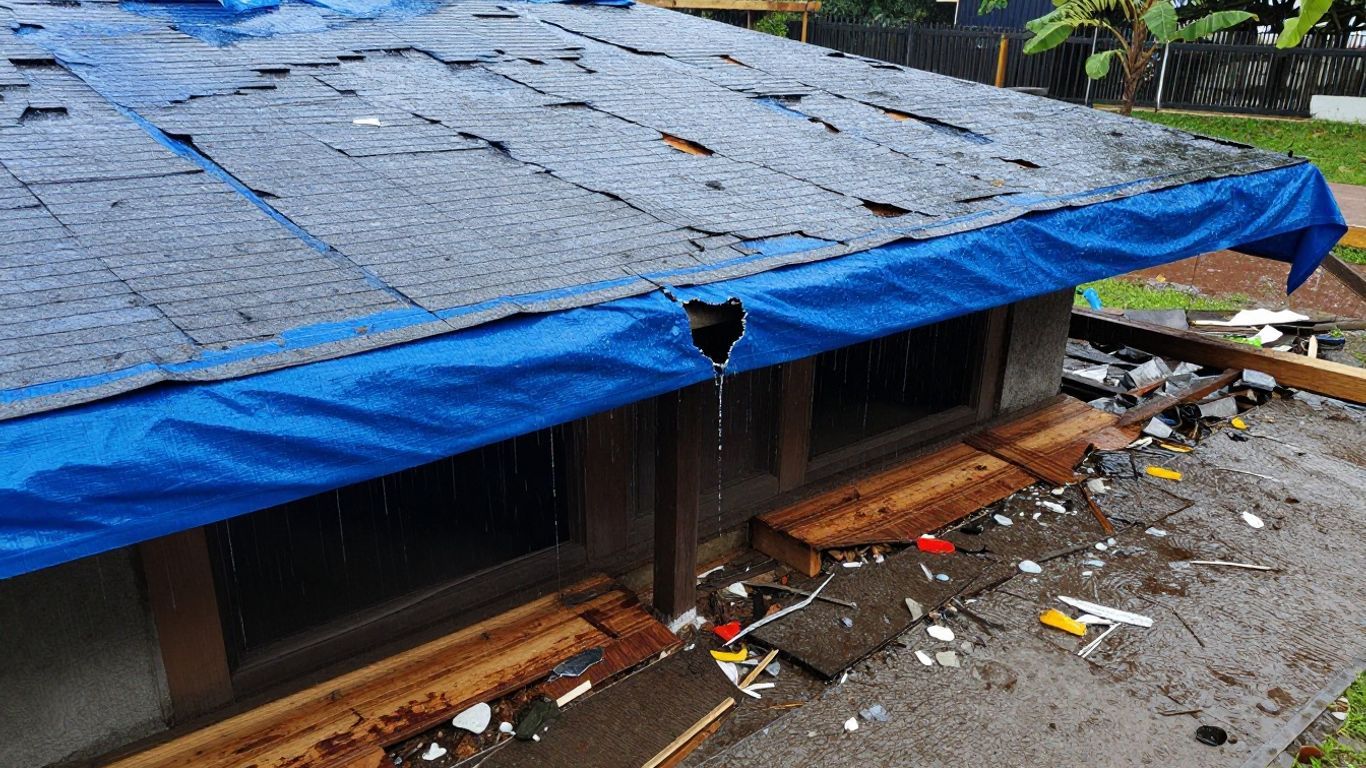
Sometimes, a small issue like a few missing shingles or a minor leak can be fixed with a simple repair. But there comes a point when patching things up just won’t cut it anymore. If you’re finding yourself calling for repairs more and more often, or if the damage is widespread – like large sections of material that are cracked, brittle, or missing – it’s a strong signal that a full replacement is needed. You can’t patch a rotten deck or dry out completely saturated insulation; these situations call for a fresh start.
Understanding the Role of Regular Maintenance
Regular check-ups are like a roof’s best friend. Just like you take your car in for oil changes, your roof benefits from routine inspections and minor upkeep. This could involve things like clearing out gutters, checking seals around vents and chimneys, and making sure flashing is in good shape. These small tasks, often overlooked, can prevent minor issues from turning into major headaches. Neglecting these simple maintenance steps is a sure way to shorten your roof’s lifespan.
Here are some common signs that indicate your roof might need more than just a quick fix:
- Visible Granular Loss: If you see a lot of shingle granules in your gutters or downspouts, it means the shingles are wearing out.
- Curling or Clawing Shingles: Shingles that start to curl up at the edges or lift away from the roof deck are a sign of age and heat damage.
- Sagging Roof Deck: Any noticeable dips or sags in the roofline can indicate underlying structural problems or water damage.
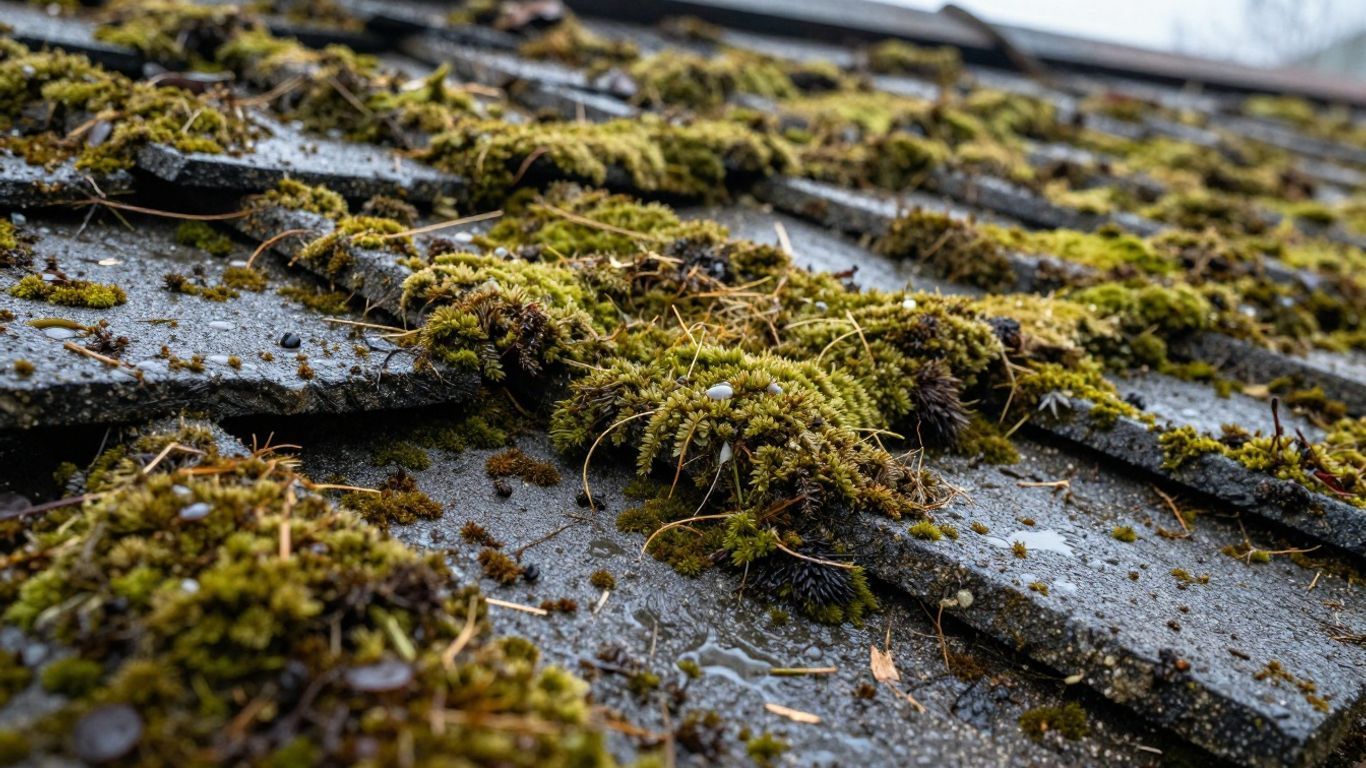
- Moss or Algae Growth: While not always a sign of immediate failure, extensive moss or algae can trap moisture and degrade shingles over time.
When you start noticing multiple issues like these, or if a single problem seems to be spreading, it’s time to seriously consider a replacement rather than throwing good money after bad with constant repairs.
Financial Indicators for Residential Roofing Replacement
Sometimes, the biggest clue that your roof needs replacing isn’t a visible leak or a missing shingle, but what’s happening with your wallet. Keeping an eye on your roof’s financial impact can save you a lot of headaches down the road.
Evaluating Escalating Repair Costs
Think about how often you’ve had to call for repairs lately. If those calls are becoming more frequent, and the bills are adding up, it’s a pretty strong signal that patching things up isn’t a long-term solution anymore. A roof that constantly needs fixing is often a sign of underlying issues that a simple repair can’t address. It’s like putting a band-aid on a broken bone – it might stop the bleeding for a bit, but it doesn’t fix the real problem. When the cost of these repeated repairs starts to approach the price of a new roof, it’s definitely time to reconsider your options. You might find that a full replacement is actually more cost-effective in the long run, especially if your roof is already quite old. For instance, if your asphalt roof is over 20 years old and you’re looking at multiple leaks, replacement is likely the way to go, rather than sinking money into constant fixes [dd06].
The Long-Term Cost of Neglecting Your Roof
Putting off a necessary roof replacement can seem like a good way to save money now, but it often leads to bigger expenses later. Water damage, for example, can spread from the roof into your attic, walls, and even your foundation, causing structural problems that are far more expensive to fix than a new roof. Mold growth is another common issue that can affect indoor air quality and lead to health problems. Plus, an old, leaky roof can make your home less energy efficient, driving up your heating and cooling bills. It’s a classic case of ‘a stitch in time saves nine,’ but with roofs, it’s more like ‘a new roof now saves a whole lot of structural repair later.’
Budgeting for Future Residential Roofing Needs
Even if your roof is still in decent shape, it’s wise to think ahead. Roofs don’t last forever, and eventually, replacement will be necessary. Starting a dedicated savings fund for your roof replacement can make the eventual cost much more manageable. Consider these points when planning:
- Age of Your Current Roof: Most asphalt shingle roofs last about 20-30 years. Knowing your roof’s age helps you estimate when replacement might be needed.
- Material Costs: Roofing material prices can fluctuate. Researching current costs and anticipating future increases can help you budget more accurately.
- Labor Expenses: The cost of hiring qualified roofing professionals can also change over time. Getting an idea of typical labor rates in your area is helpful.
- Unexpected Issues: Always factor in a little extra for unforeseen problems that might arise during the replacement process.
Planning ahead financially can prevent a major roof issue from becoming a financial crisis. It allows you to choose the best time for replacement, rather than being forced into a decision by an emergency.
Assessing Damage for Residential Roofing Decisions
So, you’re wondering if it’s time for a whole new roof or just a patch-up job. It’s a big question, and honestly, it comes down to a few key things. You’ve got to look at what’s actually wrong with the roof, where the problems are, and how widespread they’ve become. Sometimes, a small leak can be fixed, but other times, it’s a sign of bigger issues brewing underneath.
Identifying the Type and Extent of Roof Damage
When you’re looking at your roof, try to get a good sense of what kind of damage you’re seeing and how much of it there is. Little things like a few missing shingles after a storm might be manageable. But if you’re seeing large areas where the material is cracked, brittle, or just plain worn out, that’s a different story. Water getting in is a big deal. If it’s just a small drip after a heavy rain, maybe a repair is enough. But if water is getting into the attic or walls, or if you see signs of rot or mold, that’s a much more serious situation. Think about the age of your roof too; older roofs are just more prone to these kinds of problems.
Here are some common signs to look out for:
- Curling or cracking shingles: This means the shingles are losing their protective qualities.
- Granular loss: If you see a lot of shingle grit in your gutters, the shingles are wearing down.
- Sagging areas: This can indicate structural problems or water damage underneath.
- Blistering: Bubbles on the shingle surface can lead to premature failure.
The Significance of Damage Location
Where the damage is on your roof matters a lot. Problems right around chimneys, vents, or where the roof meets a wall (that’s called flashing) are super important. If that flashing is damaged or worn out, water can get in easily and cause a lot of trouble, even if the rest of the roof looks okay. If the damage is spread out all over, or if it’s in those tricky spots that are hard to get to, it often makes more sense to just replace the whole thing. Trying to patch up multiple problem areas can end up costing more in the long run than a full replacement.
When Widespread Issues Demand Replacement
Sometimes, it’s pretty clear that repairs just won’t cut it anymore. If you’re seeing damage in many different spots, or if the problems are deep-seated – like rot in the wood structure or significant water damage that’s affected multiple layers – then a replacement is usually the way to go. It’s like trying to fix a car with a rusted-out frame; you can patch it, but it’s never going to be as solid as it should be. A roof that’s showing signs of widespread wear and tear is often beyond simple repairs and needs a fresh start.
When you’re weighing repair versus replacement, think about the long game. A few quick fixes might seem cheaper now, but if they don’t solve the underlying issue or if more problems pop up soon after, you’ll end up spending more money and dealing with more headaches. A full replacement, while a bigger upfront cost, can give you peace of mind for many years to come.
Planning Your Residential Roofing Project
So, you’ve figured out it’s time for a new roof. That’s a big step, and honestly, it can feel a little overwhelming. But here’s the thing: a little planning goes a really long way. Getting this right means a smoother process and a roof that lasts. Let’s break down how to get this project rolling without too much fuss.
The Importance of a Well-Planned Replacement
Think of a roof replacement like building a house – you wouldn’t just start hammering nails without a blueprint, right? The same applies here. A solid plan helps avoid surprises, keeps things on budget, and makes sure you get the best possible outcome for your home. Skipping this part can lead to all sorts of headaches, from leaks popping up unexpectedly to paying more than you needed to. A well-executed roof replacement is critical for your home’s safety, efficiency, and value.
Choosing the Right Time of Year for Installation
When you schedule your roof replacement can actually make a difference. Some times of year are better than others for getting the job done right.
- Spring: Often a good choice. The weather is usually mild, which is ideal for roofing materials to set properly. Plus, it’s before the intense heat of summer or the potential storms of fall.
- Fall: Another decent option, especially early fall. You get cooler temperatures, which are good for installers, and it’s usually before the heavy rains or snow start.
- Summer: Can be tricky. Extreme heat can make it tough for workers and affect how some materials perform during installation. It’s doable, but be prepared for potential delays due to heat.
- Winter: Generally the least ideal. Freezing temperatures can damage certain roofing materials, and snow or ice can halt work altogether. If you must do it in winter, expect higher costs and potential complications.
Understanding Roof Replacement Quotes
Getting quotes is a big part of the process, and you’ll want to compare them carefully. Don’t just look at the bottom line; there’s more to it than that.
Here’s what to look for when you get those estimates:
- Detailed Scope of Work: Does it clearly state what will be done? This includes removing the old roof, inspecting the decking, and installing the new materials.
- Materials Specified: What kind of shingles, underlayment, and flashing are they using? Make sure it matches what you want and what’s suitable for your climate.
- Labor Costs: Is this broken out separately, or included in the total?
- Permit Fees: Who is responsible for pulling the necessary permits, and is that cost included?
- Cleanup and Debris Removal: What’s their plan for cleaning up the site afterward?
- Warranty Information: What kind of warranty do they offer on their workmanship, and what about the manufacturer’s warranty on the materials?
When you get multiple quotes, it’s not just about finding the cheapest option. You’re looking for the best value. This means a contractor who is transparent, experienced, and willing to explain everything clearly. A quote that seems too good to be true often is, so ask questions and trust your gut.
The Strategic Value of a New Roof
Enhancing Property Value and Appeal
Putting a new roof on your house isn’t just about fixing leaks or preventing future problems. It’s a smart move that can really boost your home’s overall appeal and, yes, its market value too. Think about it: the roof is one of the first things people see when they look at your house. A worn-out, dingy roof can make even the nicest home look neglected. On the flip side, a fresh, well-maintained roof signals that the property is cared for and solid. This can make a big difference when you’re trying to sell or just want your home to look its best. Studies have shown that a new roof is a reasonable investment, often paying back a good chunk of its cost when it’s time to sell. It’s one of those home improvements that buyers really notice and appreciate.
Improving Energy Efficiency with Modern Roofing
Modern roofing materials and installation techniques offer more than just protection from the elements; they can also make your home more energy efficient. Older roofs might not have the same insulating properties as newer ones. Materials today are often designed to reflect more sunlight, which can keep your attic cooler in the summer. This means your air conditioner doesn’t have to work as hard, saving you money on your energy bills. Plus, a well-sealed new roof can help prevent drafts and heat loss during the winter. It’s a win-win: a more comfortable home and lower utility costs. When you’re looking into new roofing, ask about options that are specifically designed for better thermal performance. It’s a detail that really adds up over time.
Considering Your Long-Term Property Outlook
When you’re thinking about a new roof, it’s worth considering your long-term plans for the property. If you plan on staying in your home for many years, a new roof is an investment in your comfort and security. It means fewer worries about unexpected repairs and the peace of mind that comes with knowing your home is well-protected. If you’re thinking about selling in the next few years, a new roof can be a major selling point. It can make your home more attractive to potential buyers and might even help you get a better price. It’s a way to prepare your property for the future, whatever that may hold. Making the decision to replace your roof can be complex, and it’s helpful to evaluate if a roof replacement or repair is best for your specific situation.
Here are some points to consider when thinking about the long-term value:
- Increased Curb Appeal: A new roof instantly makes your home look better from the street.
- Reduced Maintenance: You won’t have to worry about minor repairs for a long time.
- Potential for Higher Resale Value: Buyers often see a new roof as a significant plus.
- Energy Savings: Modern materials can lead to lower utility bills.
Replacing your roof is more than just a repair; it’s a strategic upgrade that impacts your home’s immediate appearance, its long-term energy performance, and its overall market value. It’s an investment that pays dividends in comfort, savings, and peace of mind.
Partnering with Expert Residential Roofing Contractors
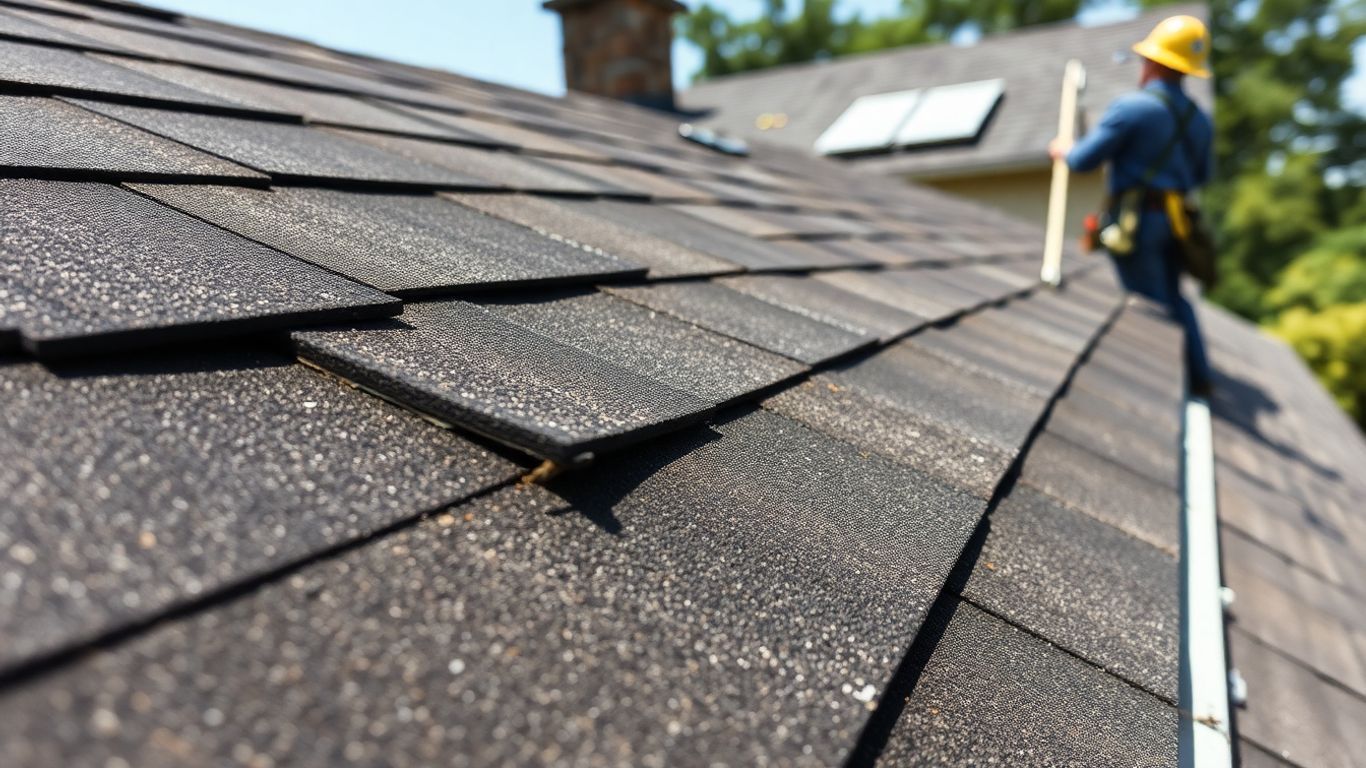
So, you’ve figured out it’s time for a new roof. That’s a big step! Now comes the part where you need to find someone good to actually do the work. It’s not just about picking the first name you see in the phone book, you know. A roof is a pretty important part of your house, and you want it done right.
The Role of a Qualified Roofing Professional
Think of a good roofing contractor as your guide through this whole process. They’re the ones who know all the ins and outs of different materials, what works best in our local weather, and how to actually install everything so it lasts. They’re not just hammering shingles; they’re building a protective shield for your home. A qualified pro will look at your house, figure out what it needs, and explain it all in a way that makes sense. They’ll also be up-to-date on building codes and best practices, which is something you definitely don’t want to overlook.
Key Questions to Ask Potential Contractors
When you’re talking to different companies, don’t be shy about asking questions. It’s your house, and you’re paying for this service. Here are a few things you should definitely bring up:
- Experience and Credentials: How long have they been in business? Are they licensed and insured? Do they have any special certifications from manufacturers?
- References and Reviews: Can they provide a list of recent customers you can talk to? What do online reviews say about their work?
- Warranty Details: What kind of warranty do they offer on their labor? What about the materials they use? Make sure you understand what’s covered and for how long.
- Project Timeline: How long do they expect the job to take? What’s their plan for keeping your property clean and safe during the work?
- Communication: How will they keep you updated on the progress? Who is your main point of contact?
Ensuring Quality Workmanship and Warranties
This is where you really want to pay attention. A great contractor won’t just slap on a new roof and disappear. They’ll have a process for making sure everything is done correctly from start to finish. This includes proper preparation of the roof deck, correct installation of underlayment and flashing, and careful attention to detail with the final roofing material. A solid warranty is your best protection against future problems. It shows that the company stands behind their work. Don’t just look at the price tag; look at the whole package – the contractor’s reputation, their communication, and what kind of guarantee they offer. It’s about getting a roof that you can rely on for years to come, without a lot of headaches.
Wrapping It Up
So, keeping an eye on your roof is pretty important. It’s not just about looks; it’s about protecting everything inside. If you’re seeing signs like curling shingles, water spots, or just feeling like you’re calling for repairs way too often, it might be time to think about a replacement. Don’t wait until a small problem turns into a big, expensive mess. Taylore Roofing is here to help you figure out if it’s time for a new roof and make the whole process as smooth as possible. Give them a call to get a professional opinion and peace of mind.
Frequently Asked Questions
What are the first signs that my roof might need replacing?
Keep an eye out for things like water stains on your ceiling or walls, which can mean leaks. Also, look for shingles that are curling, cracked, or missing altogether. If you notice moss or algae growing on your roof, it could be a sign of moisture trapped underneath, which isn’t good. Sagging areas are also a big red flag indicating potential structural problems.
How often should I have my roof checked by a professional?
It’s a good idea to have your roof inspected at least once a year, and also after any major storms that bring high winds or hail. Regular check-ups help catch small problems before they turn into big, expensive ones. Think of it like taking your car for regular oil changes to keep it running smoothly.
Can minor roof damage be repaired, or does it always mean a replacement?
Often, minor issues like a few loose shingles or small leaks can be repaired. However, if the damage is widespread, affects a large area, or if the roof is simply old and worn out, repairs might just be a temporary fix. If your roof has multiple problems or is showing signs of age like blistering or cracking all over, it’s usually more cost-effective to replace it.
What’s the best time of year to replace a roof?
Generally, spring and fall are the best times for roof replacement. The weather is usually milder, not too hot or too cold, which makes it easier for the roofing crew to work and for the new materials to settle properly. Planning ahead is key, especially if you’re aiming for these popular seasons.
How much does a new roof typically cost?
The cost of a new roof can vary a lot depending on the size of your home, the type of materials you choose (like asphalt shingles, metal, or tile), and the complexity of the roof’s design. It’s best to get quotes from a few different reputable roofing companies to get an accurate idea for your specific situation.
What should I look for when choosing a roofing contractor?
When picking a contractor, make sure they are licensed, insured, and have good reviews or references from past customers. Ask for a detailed written estimate that explains all the costs involved. It’s also important to understand the warranty they offer on both the materials and their labor. A good contractor will be clear, professional, and willing to answer all your questions.
The post How to Know When It’s Time to Replace Your Roof: Expert Tips from Taylore Roofing first appeared on Taylore Roofing.