October 31, 2025
Thinking about giving your house a makeover? Sometimes, the biggest impact comes from the outside. New siding can do wonders, not just for how your home looks, but also for how much energy it uses. We’re talking about making things look sharp while also making your heating and cooling systems work a little less. Let’s get into why this upgrade is more than just a pretty face.
Key Takeaways
- New siding instantly makes your home look better, giving it a fresh appearance that buyers notice and neighbors admire.
- Proper siding installation seals up gaps, stopping drafts and helping your home stay warmer in winter and cooler in summer, which can cut down on energy bills.
- Modern siding materials are better at keeping moisture out, protecting your walls from rot and mold, and helping insulation work better.
- Choosing the right siding, like insulated vinyl or fiber cement, combined with good installation, means your home’s exterior works harder to keep temperatures steady.
- Investing in quality siding installation is a smart move that adds value to your home, makes it more comfortable, and can even reduce how much time you spend on upkeep.
Enhancing Your Home’s Exterior With New Siding
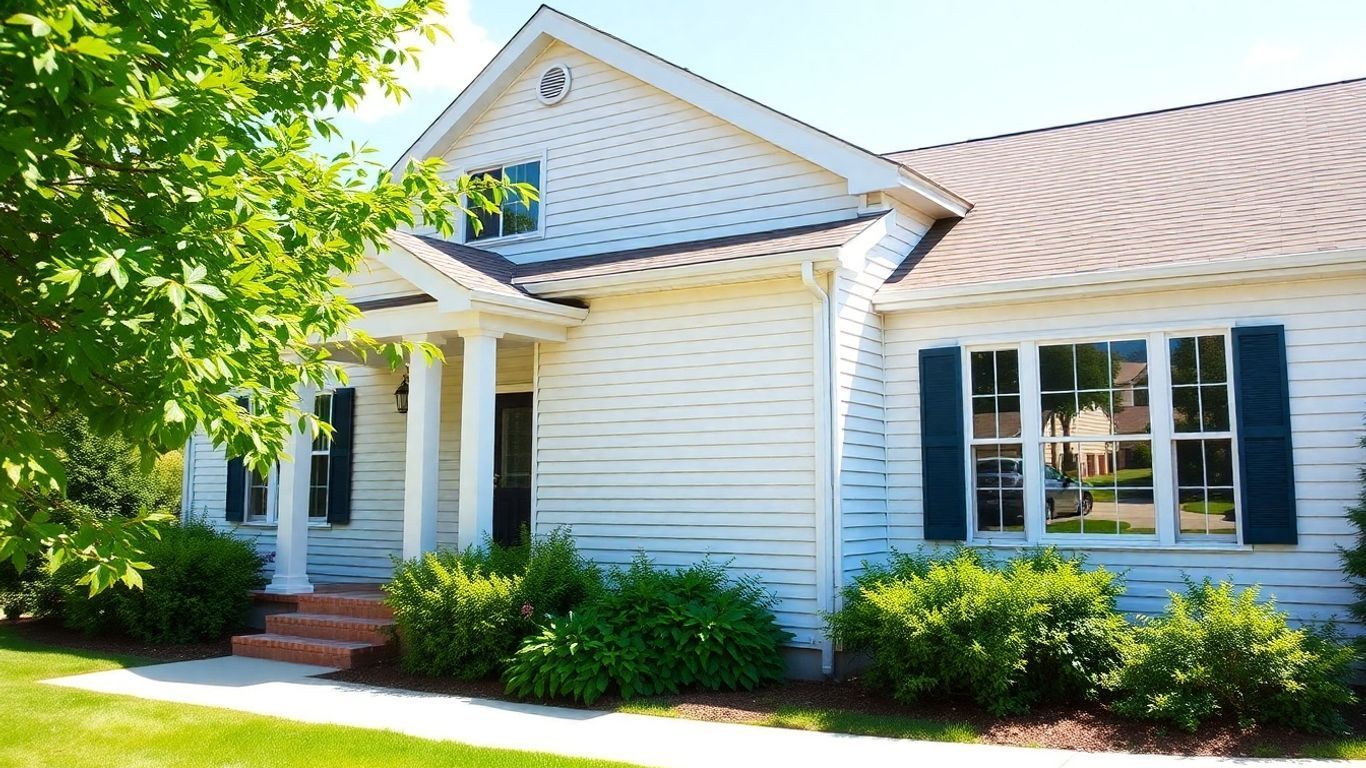
Think about the first impression your house makes. That’s pretty much what siding does – it’s the outfit your home wears for the whole neighborhood to see. If your current siding is looking a bit tired, maybe peeling or faded, it can really bring down the whole look of your place. But getting new siding? That’s like giving your house a whole new wardrobe, and it makes a huge difference.
Boosting Curb Appeal With Updated Siding
Let’s be honest, a fresh coat of paint is nice, but new siding? That’s a game-changer for how your house looks from the street. It’s not just about slapping on some new material; it’s about choosing colors and textures that make your home pop. You can go for something classic that fits the style of your neighborhood, or maybe something a bit more modern to stand out. A well-chosen siding can make your house look cared for and inviting, which is a big deal. It’s the first thing people see, whether they’re driving by, visiting, or thinking about buying.
Increasing Property Value Through Siding Replacement
Beyond just looking good, new siding is a solid investment. It’s one of those home improvements that actually pays you back, especially if you’re thinking of selling. Buyers see new siding and think, "Great, one less thing I have to worry about." It signals that the home is well-maintained and structurally sound. This can mean a quicker sale and potentially a higher price. It’s not just about the immediate visual appeal; it’s about adding tangible value to your property.
The Transformative Power of a Fresh Exterior
Sometimes, you just need a change. If your home’s exterior feels dated, new siding can completely transform its appearance. It’s amazing how different materials and colors can alter the entire feel of a house, making it look more modern, more charming, or more stately. This visual upgrade isn’t just for show; it contributes to your overall satisfaction with your home and can even make you feel better about where you live. It’s a way to express your style and give your home a new lease on life.
The Role of Siding Installation in Energy Efficiency
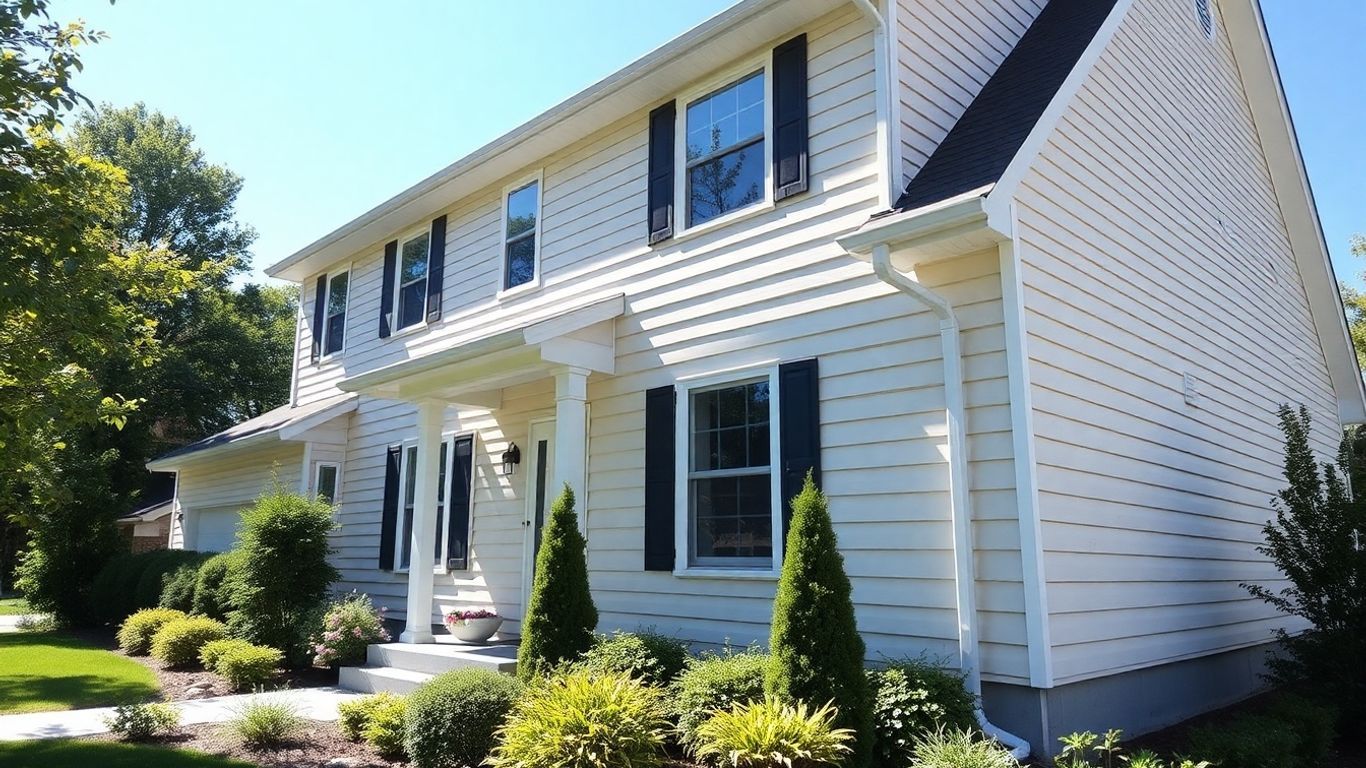
When we talk about making a house more energy-efficient, our minds often jump straight to things like new windows, beefing up attic insulation, or maybe a fancy new HVAC system. But honestly, the siding on your home plays a much bigger part than most people realize. It’s the first thing standing between your house and whatever the weather decides to throw at it, so it really matters how well it’s doing its job.
Reducing Air Leaks and Drafts
Think about your current siding. Is it old, maybe a bit cracked, or perhaps just not fitted as snugly as it used to be? If so, it’s probably letting outside air sneak in and conditioned air sneak out. This means your heating and cooling systems have to work overtime just to keep your home at a comfortable temperature. New siding, especially when it’s put on by professionals who know what they’re doing, creates a much tighter seal. They focus on closing up those little gaps and cracks that let drafts happen. This makes a noticeable difference in keeping your home’s temperature steady without constantly running the AC or furnace.
Improving Insulation With Modern Materials
Today’s siding isn’t just about looks anymore. Many newer siding options come with built-in insulation or are designed to work with added insulation layers. This extra thermal barrier helps keep the heat where you want it – inside during the winter and outside during the summer. Materials like insulated vinyl siding, which has a rigid foam backing, or advanced composite panels are specifically made to add to your home’s overall R-value. Even materials like fiber cement or engineered wood, which don’t have insulation built-in, can be installed with exterior insulation boards to boost their thermal performance significantly.
The Impact of Professional Siding Installation
Honestly, even the fanciest, most energy-efficient siding won’t do much good if it’s installed poorly. It’s like buying a top-of-the-line refrigerator but leaving the door ajar – it just won’t work right. Professional installers know how to properly seal around windows, doors, and corners. They make sure there are no gaps where air or moisture can get in. This attention to detail is what really makes the difference in how well your siding performs. It’s not just about slapping panels onto the wall; it’s about creating a complete, weather-tight system that works with your home’s insulation to keep it comfortable and save you money on energy bills.
The siding on your home is more than just a pretty face; it’s a critical component of your home’s thermal envelope. When it’s in good shape and installed correctly, it significantly contributes to maintaining a stable indoor climate and reducing energy waste.
Here’s a quick look at how different siding types can affect energy efficiency:
- Insulated Vinyl Siding: Offers a good balance of cost and improved R-value due to its foam backing.
- Fiber Cement Siding: Durable and low-maintenance, but requires added insulation for better thermal performance.
- Engineered Wood Siding: Provides a natural look and decent insulating properties, especially when paired with a weather-resistant barrier.
- Composite/Foam-Backed Panels: Designed with energy efficiency as a primary focus, offering excellent thermal and moisture control.
Key Benefits of Energy-Efficient Siding Options
When you’re thinking about making your home more comfortable and saving a bit on those monthly bills, siding might not be the first thing that pops into your head. Most folks focus on windows or the attic, right? But your siding is actually a pretty big deal when it comes to keeping your home’s temperature steady. It’s the first thing standing between your house and whatever the weather’s throwing at it. Getting new siding isn’t just about making things look nicer; it can seriously help your home work smarter.
Moisture Control and Protection
Old siding can sometimes let water sneak in, and nobody wants that. Trapped moisture can lead to all sorts of problems like mold, mildew, and even rot, which can mess with your insulation and make your home less energy efficient. Modern siding materials are designed to shed water effectively. They act like a good raincoat for your house, keeping the wet stuff out and preventing it from getting into your walls where it can cause damage. This means your insulation stays dry and does its job better, keeping your home comfortable without you having to crank the thermostat.
Reflective Coatings for Heat Management
Some of the newer siding options come with special finishes. Think of them like a built-in sunscreen for your house. These finishes can reflect sunlight, especially the sun’s rays, which helps keep your home cooler during those hot summer months. If you live somewhere with really intense sun, this can make a noticeable difference in how much you rely on your air conditioning. It’s a simple idea, but it really helps manage how much heat your home absorbs.
Lowering Utility Bills Through Smart Siding
So, what’s the bottom line with all this? When your home is better at staying warm in the winter and cool in the summer without your heating and cooling systems working overtime, your energy bills go down. It’s that simple. The upfront cost of installing good, energy-efficient siding can actually pay for itself over time through the savings on your utility bills. It’s an investment in your home’s comfort and your budget. Plus, a well-performing home is just a nicer place to live.
Here’s a quick look at how different siding types can impact your energy use:
| Siding Type | Insulation Value (on its own) | Notes on Energy Efficiency |
|---|---|---|
| Insulated Vinyl | Moderate | Foam backing adds significant R-value. |
| Fiber Cement | Low | Best when paired with exterior insulation. |
| Engineered Wood | Moderate | Good performance, especially with added weather barriers. |
| Composite/Foam-Backed | High | Designed specifically for thermal performance. |
| Standard Vinyl | Low | Minimal insulating properties without added foam. |
| Metal (Aluminum/Steel) | Very Low | Requires significant under-siding insulation. |
Choosing siding that works with your home’s climate and your budget is key. It’s not just about looks; it’s about performance and long-term savings.
Choosing the Right Siding Materials for Performance
When you’re looking to upgrade your home’s exterior, picking the right siding material is a big deal. It’s not just about how it looks, though that’s important for curb appeal. We’re talking about how well it keeps your house comfortable and how much it helps with your energy bills. Different materials have different strengths, and what works best can depend on where you live and what you’re looking for.
Insulated Vinyl Siding Advantages
Vinyl siding has been around for a while, and it’s popular for a reason. It’s generally affordable and comes in tons of colors and styles. But when we talk about performance, insulated vinyl siding really steps up. This type has a layer of rigid foam built right into it. This foam backing does a couple of things. First, it makes the siding more rigid, so it’s less likely to dent or warp. Second, and more importantly for energy efficiency, it adds an extra layer of insulation. This helps reduce heat transfer – meaning less heat escapes in the winter and less heat gets in during the summer. It’s a pretty solid way to get better thermal performance without a huge price jump.
Fiber Cement and Engineered Wood
Fiber cement siding is known for being super tough. It’s made from cement, sand, and cellulose fibers, which makes it resistant to rot, insects, and fire. While it doesn’t have much insulation on its own, it’s a great base for adding other insulation layers. You can install rigid foam board behind it, which really boosts its energy-saving capabilities. It’s also really durable and can mimic the look of wood really well.
Engineered wood siding is another option that gives you that natural wood look but with more stability and less maintenance than real wood. It’s made from wood strands or fibers mixed with resins and other additives. It offers some natural insulating properties, and when paired with a good weather-resistant barrier and potentially some added insulation, it can be a good choice for keeping your home comfortable. It’s a nice middle ground if you love the look of wood but want something a bit more forgiving.
Advanced Composite and Foam-Backed Panels
These are often the heavy hitters when it comes to top-tier performance. Composite siding can be made from a mix of materials, including plastics and wood fibers, and is designed for durability and low maintenance. Many composite options come with integrated foam backing, similar to insulated vinyl, providing excellent thermal resistance right out of the box. Foam-backed panels, in general, are designed with energy efficiency as a primary goal. They create a strong thermal barrier, helping to keep your home’s temperature steady. These advanced systems are often the best bet if maximizing energy savings and creating a robust thermal envelope is your main priority. They can be more of an investment upfront, but the long-term benefits in comfort and reduced utility costs can make them well worth it.
Here’s a quick look at how some common siding types stack up:
| Siding Type | Insulation Value (R-Value) | Durability | Maintenance | Cost (Approx.) |
|---|---|---|---|---|
| Insulated Vinyl | Moderate | Good | Low | $ |
| Fiber Cement | Low (without added insulation) | Excellent | Low | $$ |
| Engineered Wood | Moderate | Good | Moderate | $$ |
| Advanced Composite/Foam | High | Excellent | Very Low | $$$ |
Remember, the R-value listed is often for the material itself. The overall performance of your home’s exterior will also depend heavily on the installation quality and any additional insulation layers used.
Maximizing Your Investment With Siding Installation
So, you’re thinking about new siding. That’s great! But just picking out a nice color isn’t the whole story. How you get that siding put on your house really matters, especially if you want to get the most bang for your buck and actually see those energy savings people talk about. It’s not just about slapping panels up; it’s about making sure everything is sealed up tight and insulated right. This is where the pros come in, and why picking the right contractor is a big deal.
Ensuring Proper Sealing and Insulation
Think of your siding as the outer skin of your home. If that skin has holes or isn’t put on right, you’re going to have problems. Air can sneak in, and your warm or cool air can escape. That means your heating and cooling systems have to work overtime, and your utility bills go up. Good siding installation means paying attention to all the little details: making sure there are no gaps where water or air can get in, and that any insulation layers are put in correctly. It’s about creating a solid barrier that keeps the weather out and your comfortable indoor temperature in. This is a big reason why exterior home renovations in Ontario tend to offer a greater return on investment [8555].
The Importance of a Licensed Siding Contractor
This is where hiring someone who knows what they’re doing really pays off. A licensed siding contractor isn’t just someone with a truck and a hammer. They understand building codes, the best materials to use for your specific house and climate, and how to install everything so it lasts. They know how to properly flash around windows and doors, install the underlayment, and make sure the siding panels overlap correctly. This attention to detail prevents future headaches like water damage or drafts. Plus, many manufacturers require professional installation to keep their warranties valid. It’s worth the peace of mind knowing the job is done right the first time.
Achieving Optimal Thermal Performance
When siding is installed correctly, it contributes significantly to your home’s overall thermal performance. This means your house will be more comfortable year-round. In the winter, it helps keep the heat inside, and in the summer, it helps keep the heat outside. Some siding options even come with built-in insulation or reflective coatings that further boost this effect. The goal is to create a well-insulated building envelope. This isn’t just about comfort, though. It directly translates to lower energy bills, which is a win-win. You save money, and your home uses less energy, which is good for the planet too.
Here’s a quick look at what proper installation helps achieve:
- Reduced Air Leakage: Seals up cracks and gaps, stopping drafts.
- Improved Moisture Management: Directs water away from your home’s structure.
- Enhanced Insulation Effectiveness: Works with your home’s existing insulation for better temperature control.
- Increased Durability: Protects your home from weather and pests for longer.
Getting the installation right is just as important as choosing the right siding material. It’s the combination of quality materials and expert craftsmanship that truly maximizes your investment and leads to long-term benefits like lower energy bills and a more comfortable home.
Long-Term Value and Durability
Low-Maintenance Siding Solutions
Let’s face it, nobody wants to spend their weekends constantly painting or patching up their house. That’s where modern siding really shines. Materials like vinyl and fiber cement are built tough, meaning they can handle the weather without fading, warping, or getting eaten by bugs. Think about it: no more scraping and repainting every few years. This means you save both time and money over the long haul. It’s a big plus if you’re busy or just prefer to relax on your days off.
- Vinyl Siding: Resists fading and impact damage, easy to clean.
- Fiber Cement: Stands up to moisture, pests, and fire; can be painted or comes pre-colored.
- Engineered Wood: Offers a natural look with improved resistance to rot and insects compared to traditional wood.
Strengthening Structural Protection of Your Home
Your siding isn’t just for looks; it’s a key part of your home’s defense system. When installed right, it acts as a shield, keeping water out and protecting the underlying structure from rot and mold. This is super important because water damage can get expensive fast. A good siding job means the frame of your house stays solid and lasts longer. It’s like giving your home a sturdy raincoat that actually works.
Proper installation is key here. It’s not just about slapping panels on; it involves correct underlayment and sealing to make sure water can’t sneak in. This protects your home’s framework and keeps it sound for years to come.
Durability Against Weather and Pests
Old siding can be a real headache when storms roll in or when you notice little critters trying to make a home in your walls. Modern siding materials are designed to be tough. They’re made to resist high winds, heavy rain, hail, and even things like termites or woodpeckers. This means fewer repairs and less worry about damage. A durable exterior means your home stays protected and looks good, no matter what the weather throws at it. It adds a layer of security and peace of mind that’s hard to put a price on.
Wrapping It Up
So, when you’re thinking about giving your home a makeover, don’t forget about the siding. It’s not just about making things look pretty, though it definitely does that. New siding can actually make a real difference in how comfortable your house feels year-round and how much you spend on heating and cooling. Plus, it adds value if you ever decide to sell. It’s a pretty solid investment all around, really.
Frequently Asked Questions
How does new siding help my home save energy?
Think of siding as your home’s coat. Old siding might have holes or gaps, letting warm air out in winter and cool air out in summer. New siding fits snugly, like a well-made coat, stopping air leaks. This means your heater and air conditioner don’t have to work as hard, saving you money on energy bills.
What makes some siding more energy-efficient than others?
Some newer siding materials are designed to be better insulators. They might have special foam layers built-in, or they might be made of materials that naturally keep heat out or in. Also, how well the siding is installed plays a big part in stopping air from getting through.
Can siding really make my house look better?
Absolutely! New siding is like giving your house a fresh haircut and a new outfit. It can completely change how your home looks, making it more attractive and modern. You can pick from tons of colors and styles to make your house stand out.
Does replacing siding add value to my home?
Yes, it really does! A nice, new exterior makes your home more appealing to buyers. It shows that the house is well taken care of and might even help you sell it faster and for a better price. It’s an investment that can pay off.
What’s the difference between different siding types like vinyl and fiber cement?
Vinyl siding is often a budget-friendly choice and can come with added insulation. Fiber cement siding is super strong and lasts a long time, resisting things like fire and bugs, but might need extra insulation added. Both can look great and help with energy, but they have different strengths.
Is it important to hire a professional to install new siding?
Definitely! Even the best siding won’t work as well if it’s not put on correctly. A pro makes sure there are no gaps for air or water to get in, and they know how to install it so it lasts a long time and looks its best. It ensures you get all the benefits, like saving energy and protecting your home.
The post How New Siding Can Boost Your Home’s Curb Appeal and Energy Efficiency first appeared on Taylore Roofing.