December 16, 2025
Choosing the right roofing materials for your Virginia home can feel like a big decision. We know that the weather here in Virginia can be pretty tough on roofs, from the sticky heat of summer to the cold snaps in winter, and even the salty air near the coast. We want to help you figure out what works best for your house, keeping in mind your budget, the look of your home, and what the local rules say. Let’s look at the different options for roofing materials Virginia homeowners often consider.
Key Takeaways
- Virginia’s weather, with its hot summers, humid air, winter snow, and coastal salt spray, really affects how roofing materials hold up over time. Picking the right stuff matters.
- Asphalt shingles are a common choice in Virginia because they don’t cost a lot upfront and come in many styles, though they might not last as long as other options.
- Metal roofs are known for lasting a long time and needing little upkeep. They can also help keep your home cooler, which is good for saving energy.
- For a more upscale look, consider architectural shingles, or for a natural feel, wood shakes. Slate and tile offer a classic, sturdy look that lasts ages.
- When picking roofing materials in Virginia, think about how much you can spend, if the roof will match your home’s style, and any building codes or neighborhood rules you need to follow.
Understanding Virginia’s Climate Impact on Roofing Materials
When we think about picking a new roof for our Virginia home, the weather here plays a pretty big role. It’s not just about how it looks; it’s about how it holds up year after year. Our climate has some distinct challenges that can really test a roofing material.
Virginia’s Hot Summers and Humid Conditions
Summers in Virginia can get seriously hot and sticky. That constant heat and high humidity put a lot of stress on roofing materials. Think about it: the sun beats down all day, heating everything up. Then, the moisture in the air can get trapped under shingles or other roofing layers. This combination can lead to materials expanding and contracting, which over time, can cause them to crack or warp. Some materials might even start to degrade faster under this kind of persistent heat and moisture.
Winter Weather Challenges for Roofs in Virginia
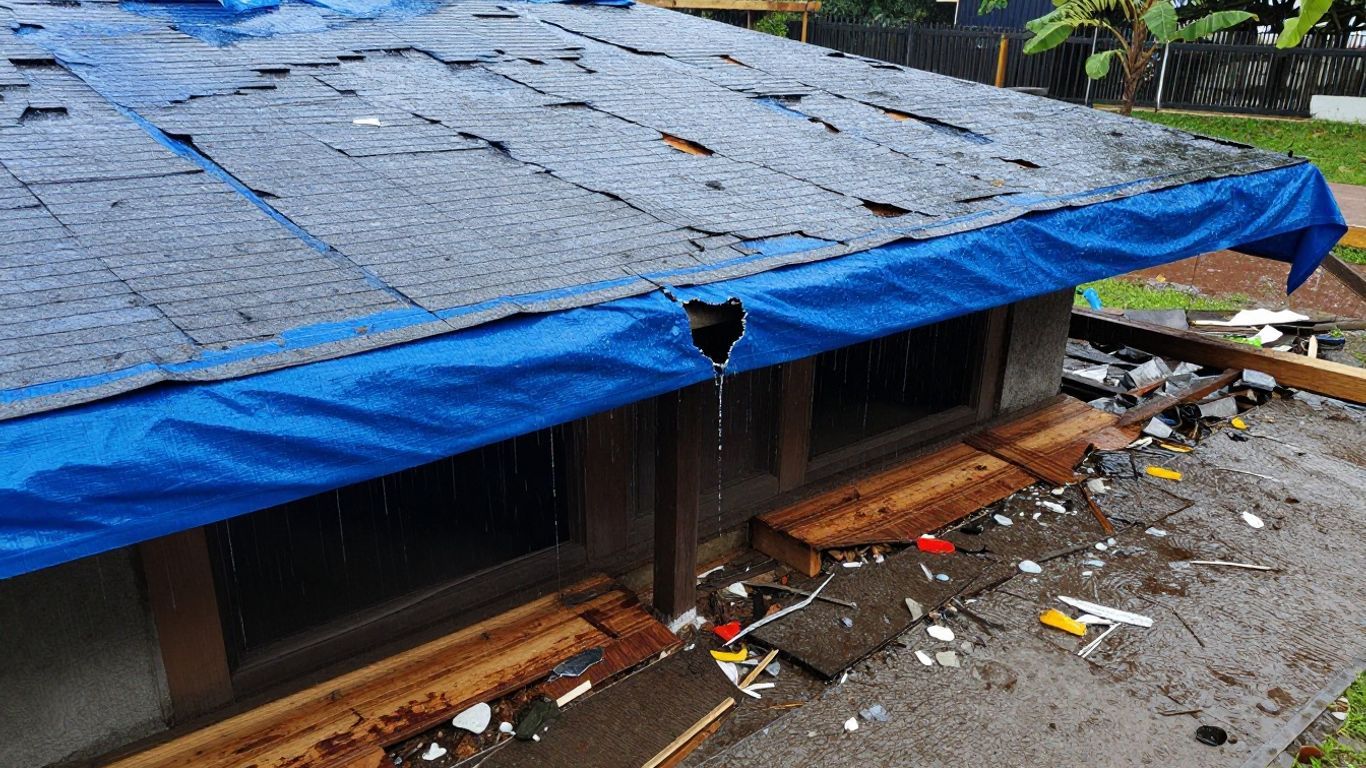
Then comes winter. We get our share of freezing temperatures, snow, and ice. Ice dams are a common problem, forming when snow melts and then refreezes at the roof’s edge. This can force water back up under your shingles, leading to leaks and damage to the roof deck and even inside your home. Heavy snow loads can also put a significant weight on your roof, especially if you have a steeper pitch. Materials need to be tough enough to handle these freeze-thaw cycles without becoming brittle or cracking.
Coastal Virginia’s Salt Air and Wind Exposure
If you live closer to the coast, there’s another factor to consider: salt air and strong winds. The salty environment can be corrosive, especially to metal components of a roof, like flashing or fasteners. It can speed up rust and degradation. Plus, coastal areas often deal with stronger winds, sometimes from hurricanes or even just severe thunderstorms. Your roof needs to be securely fastened and able to withstand these powerful gusts without lifting or losing shingles.
The cumulative effect of these weather patterns means that choosing a roofing material that’s built to last in Virginia’s specific climate is really important. It’s about making a smart investment that protects your home for the long haul.
Asphalt Shingles: A Popular Choice for Virginia Homes
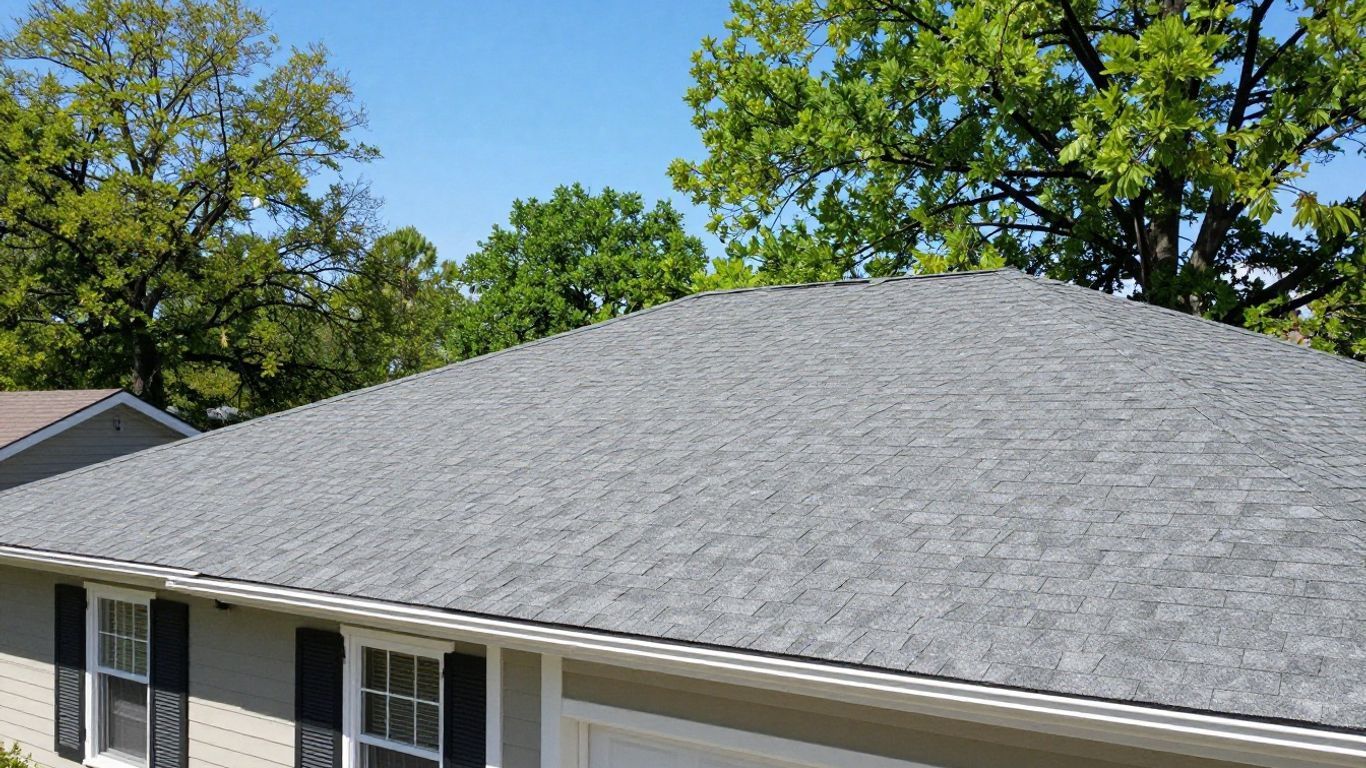
When we think about roofing for our Virginia homes, asphalt shingles often come to mind first. And for good reason! They’re a go-to for many homeowners here, and it’s easy to see why. They strike a good balance between looking decent and not costing an arm and a leg.
Cost-Effectiveness of Asphalt Shingles
Let’s talk money. Asphalt shingles are generally the most budget-friendly option when you’re looking at new roofing. Compared to metal, slate, or tile, the upfront cost is significantly lower. This makes them a really attractive choice, especially if you’re working with a tighter budget or planning to sell your home in the near future. The initial investment for asphalt shingles is typically the lowest among common roofing materials. We’ve found that this affordability doesn’t necessarily mean sacrificing too much in terms of performance, which is a big plus for us.
Durability and Lifespan Considerations
Now, about how long they last. Standard asphalt shingles usually have a lifespan of about 15 to 30 years. This can vary quite a bit depending on the quality of the shingle, the installation, and, of course, how our Virginia weather treats them. We get everything from scorching sun in the summer to ice and snow in the winter, and sometimes strong winds, especially near the coast. Higher-quality architectural shingles can last longer, sometimes up to 50 years, but they do cost more. It’s a trade-off we have to consider.
Here’s a general idea of what we might expect:
- 3-Tab Shingles: Typically 15-20 years. These are the most basic and affordable.
- Architectural Shingles: Usually 25-30 years, sometimes more. They have a layered look.
- Premium Asphalt Shingles: Can reach 40-50 years, but come at a higher price point.
Variety of Styles and Colors Available
One of the big advantages of asphalt shingles is the sheer number of options we have. They come in a huge range of colors, from deep blues and greens to classic grays and browns. You can also find them in different styles that mimic the look of wood shakes or slate, giving your home a more upscale appearance without the higher cost. This flexibility means we can usually find something that fits the look of our home and the surrounding neighborhood. It’s pretty neat how much variety there is, making it easier to match existing aesthetics or create a new look.
We’ve noticed that the color of the shingles can also play a role in how hot our attic gets during those hot Virginia summers. Lighter colors tend to reflect more sunlight, which can help keep the house cooler.
Metal Roofing Options for Virginia Residences
When we think about roofing materials for our Virginia homes, metal often comes up. It’s a choice many homeowners are considering, and for good reason. Metal roofs have really gained popularity, especially with the varied weather we see here.
Longevity and Low Maintenance Benefits
One of the biggest draws of metal roofing is how long it lasts. We’re talking about roofs that can easily last 40 to 70 years, sometimes even longer. That’s a significant step up from traditional asphalt shingles. This means fewer worries about replacements down the line. Plus, they require very little upkeep. You won’t be spending your weekends cleaning moss or dealing with minor repairs as often. A well-installed metal roof is a set-it-and-forget-it kind of deal for many years.
Energy Efficiency and Reflectivity
Metal roofs can actually help keep your home cooler in the hot Virginia summers. Many metal roofing systems are designed to reflect solar heat. This means less heat gets absorbed into your attic and living space. This can lead to lower energy bills, which is always a nice bonus. Some metal roofs even come with special coatings that boost their reflectivity even further. It’s a smart way to make your home more comfortable and save a bit on cooling costs.
Different Metal Types and Their Pros
There are several types of metal roofing available, each with its own set of advantages. We’ve put together a quick look at some common ones:
- Steel: This is a very common and cost-effective option. It’s strong and durable. Galvanized steel has a protective zinc coating, and Galvalume steel has a mix of zinc and aluminum for even better protection.
- Aluminum: Lighter than steel, aluminum is naturally resistant to rust, making it a good choice for coastal areas where salt air is a concern. It’s also quite reflective.
- Copper: This is a premium option. Copper develops a beautiful green patina over time. It’s incredibly long-lasting but also comes with a higher price tag.
- Zinc: Similar to copper, zinc also develops a patina and is known for its extreme longevity and low maintenance. It’s another high-end choice.
Choosing the right metal depends on your budget, the specific climate conditions in your part of Virginia, and the look you’re going for. It’s worth talking to a professional about which metal best suits your home’s location and your priorities.
Exploring Premium Roofing Materials in Virginia
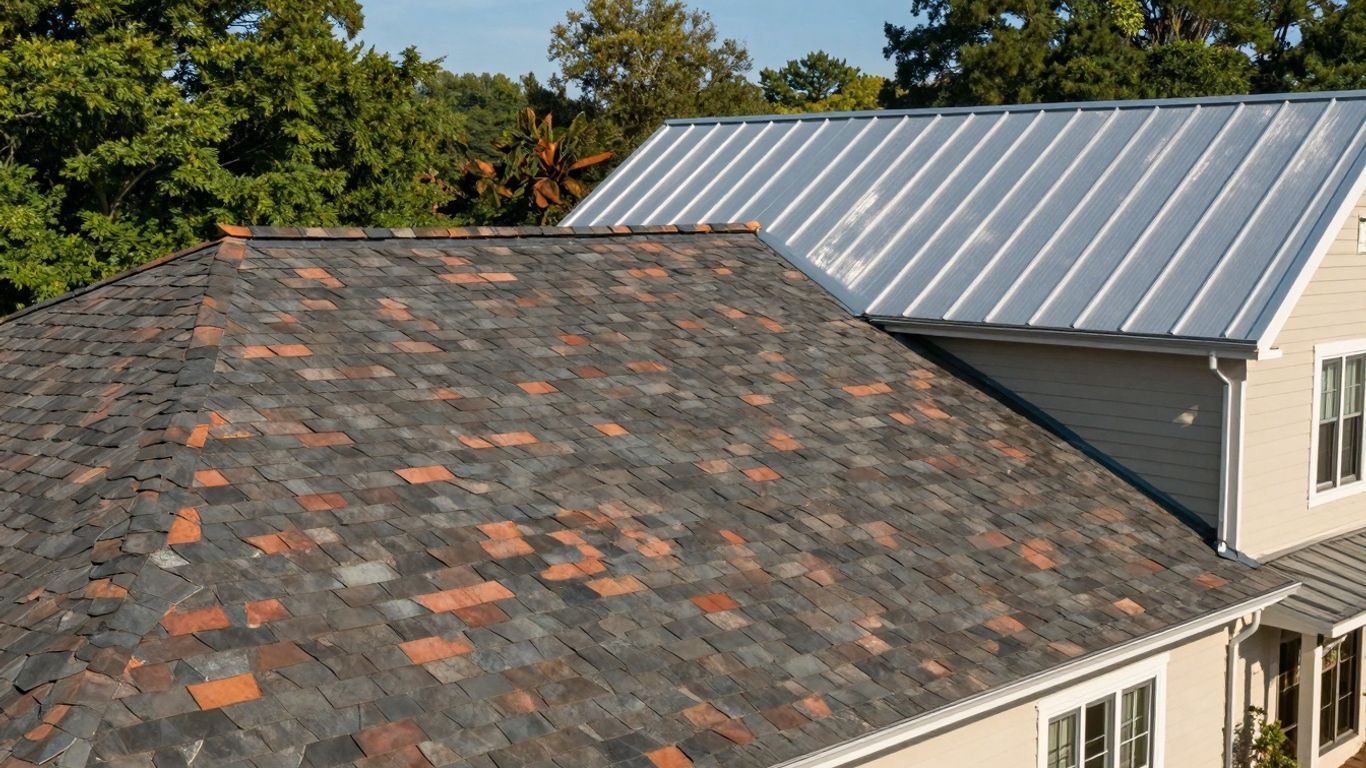
While asphalt shingles are a go-to for many, Virginia homeowners looking for something a bit more special have some excellent premium options. These materials often bring a distinct look and added benefits, though they typically come with a higher price tag. We’ll look at a few that really stand out for their beauty and performance.
Architectural Shingles for Enhanced Aesthetics
Architectural shingles, sometimes called dimensional shingles, are a step up from the basic three-tab kind. They’re made with a thicker mat and a more complex layering process, which gives them a more substantial, dimensional look. This means they can mimic the appearance of natural materials like wood shakes much better than standard shingles. They offer a significant aesthetic upgrade without the full cost of premium materials.
- Improved Depth and Texture: The layered design creates shadows and highlights, giving your roof a richer, more visually appealing profile.
- Greater Wind Resistance: Generally, architectural shingles are built to withstand higher winds compared to their simpler counterparts.
- Longer Lifespan: You can typically expect these shingles to last longer, often 25-30 years or more, depending on the brand and quality.
Wood Shakes and Shingles: Natural Beauty
For a truly classic and natural look, wood shakes and shingles are hard to beat. They bring a rustic charm that’s hard to replicate. However, they do require more upkeep and have specific considerations for our Virginia climate.
- Appearance: Each shake or shingle is unique, offering a beautiful, organic texture.
- Insulation: Wood naturally provides some insulation.
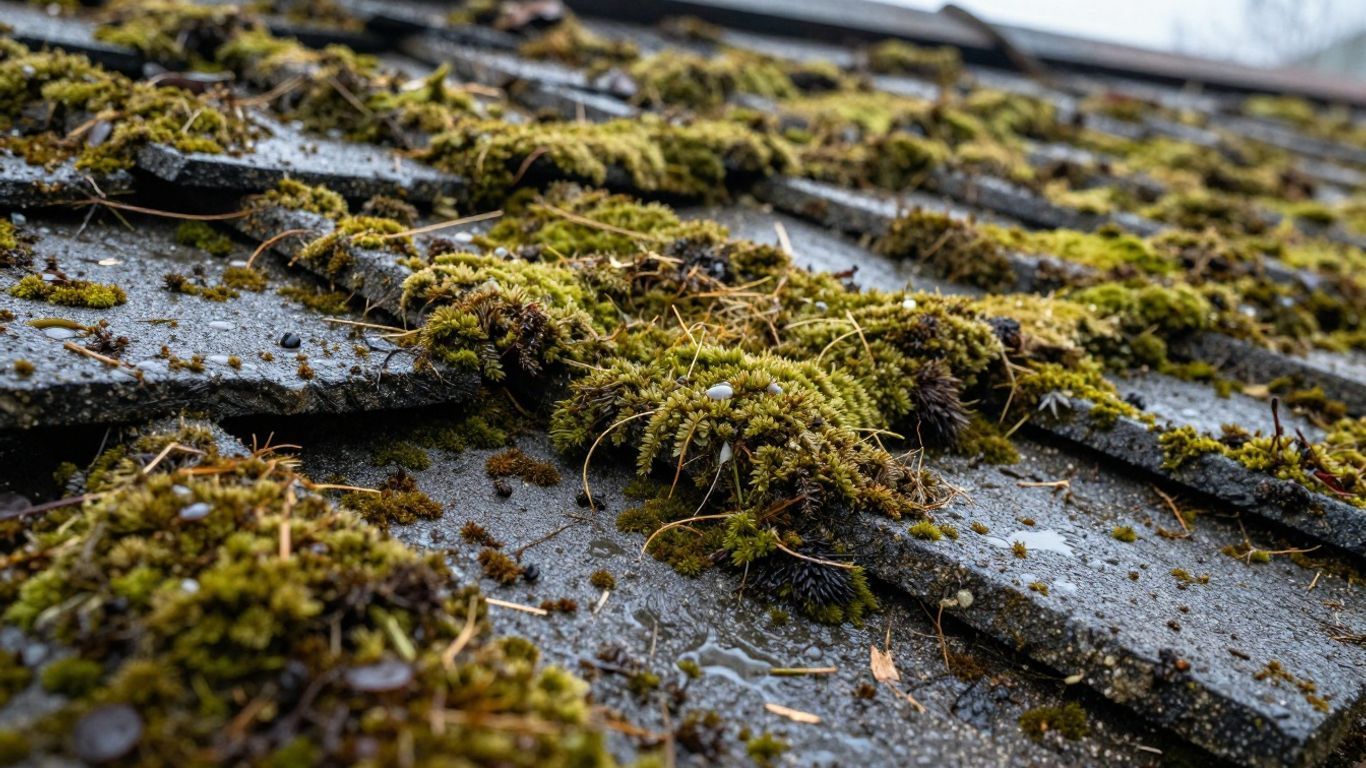
- Maintenance: They need regular cleaning to prevent moss and algae growth, and treatments to protect against rot and insects.
- Fire Risk: Depending on the type and treatment, fire resistance can be a concern, which is something to check with local codes.
Wood roofing can be a stunning choice, but we must be realistic about the maintenance involved. In Virginia’s humid summers, keeping an eye out for moisture-related issues is key to getting the most life out of your wood roof.
Slate and Tile: Timeless Elegance and Durability
When we talk about the top tier of roofing, slate and tile often come to mind. These materials are known for their incredible longevity and classic beauty. They are heavy, so your home’s structure needs to be able to support them, and installation requires specialized skills.
- Slate: Natural slate is quarried stone, making each piece unique. It’s incredibly durable, fireproof, and can last well over a century. Its weight is a significant factor, though.
- Tile: Clay or concrete tiles offer a different kind of elegance, often seen in Mediterranean or Spanish architectural styles. They are also very long-lasting and resistant to fire and insects. Like slate, they are heavy and require specific installation techniques.
Choosing between these premium options really comes down to balancing your budget, the desired look, and the long-term performance you expect from your roof. We find that homeowners who invest in these materials are often rewarded with a roof that not only protects their home but also significantly boosts its curb appeal for decades.
Factors Influencing Your Roofing Materials Virginia Decision
Choosing the right roofing material for your Virginia home involves more than just picking a color. We need to think about a few key things that really shape the best choice for us. It’s not a one-size-fits-all situation, and what works for your neighbor might not be the best fit for your specific house and budget.
Budgetary Constraints for Your Project
Let’s be real, money is always a big part of any home improvement project. The cost of roofing materials can vary wildly. Some options, like basic asphalt shingles, are quite affordable upfront. Others, such as slate or high-end metal, come with a much steeper price tag. We need to figure out how much we can comfortably spend. This isn’t just about the material cost, though. We also have to factor in installation labor, which can be a significant portion of the total expense. A cheaper material might end up costing more in the long run if it doesn’t last as long or requires frequent repairs. So, we’re looking for that sweet spot between initial cost and long-term value.
Home Architectural Style Compatibility
Our home’s look matters, right? The roof is a huge part of that. We want a material that complements the existing style of our Virginia house. For instance, a modern ranch might look great with sleek metal roofing, while a historic colonial might call for something more traditional like slate or wood shakes. Putting the wrong material on can make a house look a bit out of place. We should consider the roof’s pitch, the home’s overall design, and even the surrounding neighborhood when making this decision. It’s about creating a cohesive and attractive appearance.
Local Building Codes and HOA Regulations
This is one of those things we can’t ignore. Virginia has building codes that dictate certain standards for roofing materials, especially concerning wind resistance and fire ratings. These are in place for safety. On top of that, if we live in a neighborhood with a Homeowners Association (HOA), they often have their own set of rules about what materials and colors are allowed. We absolutely must check these regulations before we get too far down the road with a specific material choice. Ignoring them could mean costly changes or even having to redo the work. It’s best to get this information early on.
Making an informed decision means looking at the whole picture. We need to balance what we can afford with what looks good and what’s actually allowed. It’s a bit of a puzzle, but getting it right means a roof that protects our home and looks great for years to come.
The Importance of Professional Installation for Virginia Roofs
We’ve talked a lot about picking the right materials for your Virginia home, but honestly, even the best shingles or metal panels won’t last if they’re not put on correctly. Getting a professional installer is just as important as choosing the right roofing material itself. It’s not a place to cut corners, especially with how varied our weather can be here.
Ensuring Proper Ventilation and Drainage
Think about it: your roof needs to let moisture out and keep water flowing away. If the ventilation isn’t set up right, you can get condensation building up under your shingles, which leads to rot and mold. That’s a big problem, and it can happen fast. Proper drainage means making sure water runs off the roof and into your gutters, not pooling up or finding its way under your shingles. A good installer knows how to set up the underlayment, flashing, and ventilation systems so they work together.
- Ventilation: Allows hot, moist air to escape, preventing heat buildup and moisture issues.
- Drainage: Directs water away from the roof structure and foundation.
- Flashing: Seals vulnerable areas like valleys, chimneys, and vents to prevent leaks.
Warranties and Manufacturer Requirements
Most roofing material manufacturers have specific instructions on how their products should be installed. If these aren’t followed exactly, your warranty could be voided. That means if something goes wrong down the line, you’re on your own to pay for repairs. Professional roofers are familiar with these requirements and make sure everything is done by the book. They can also explain the different types of warranties you’ll get – both from the manufacturer and the installer themselves.
Finding Qualified Roofing Contractors in Virginia
So, how do you find someone good? We usually start by asking neighbors or friends for recommendations. It’s also smart to look for contractors who are licensed and insured in Virginia. Check online reviews, but take them with a grain of salt. A contractor who provides a detailed, written estimate is a good sign. They should also be willing to show you examples of their work and provide references.
When you get quotes, don’t just look at the bottom line. Ask what’s included, what materials they use, and how long they expect the job to take. A low bid might mean they’re cutting corners somewhere, and that’s not what we want for our homes.
We’ve seen firsthand how a poorly installed roof can lead to leaks, drafts, and a shorter lifespan for the materials. It’s worth the investment to hire someone who knows what they’re doing. They’ll get it done right the first time, saving us headaches and money in the long run.
Wrapping It Up
So, we’ve looked at a bunch of different roofing options for your Virginia home. It’s a big decision, for sure, and there’s no single ‘best’ answer for everyone. What works for your neighbor might not be the right fit for you. Think about what matters most – is it the look, how long it’ll last, or keeping costs down? Weighing those things against the weather here in Virginia, like those summer storms and winter chills, will help you make a choice you’ll be happy with for years. Take your time, do a little more homework if you need to, and don’t be afraid to ask questions. Getting the right roof over your head is worth the effort.
Frequently Asked Questions
What kind of weather does Virginia have that might affect my roof?
Virginia experiences a mix of weather. We deal with really hot and sticky summers, which can make some materials fade or break down faster. Then, we have cold winters with snow and ice that can put a lot of stress on roofs. If you live near the coast, the salty air and strong winds are also things we need to think about when picking the best roof for our homes.
Are asphalt shingles a good choice for our homes in Virginia?
Yes, asphalt shingles are super popular here for a good reason! They’re usually the most budget-friendly option, which is great for many homeowners. They also last a pretty decent amount of time, often 15 to 30 years, depending on the type. Plus, you can find them in tons of colors and styles to match almost any house.
How long do metal roofs typically last in Virginia?
Metal roofs are known for being tough and lasting a really long time, sometimes 40 to 70 years or even more! They don’t need a lot of upkeep, which is a big plus. They can also help keep our homes cooler in the summer because they reflect sunlight, potentially saving us money on energy bills. There are different kinds of metal, like steel or aluminum, each with its own good points.
What are some fancier roofing options for Virginia houses?
For a more stylish look, we can consider architectural shingles, which have more depth and texture than standard ones. Wood shakes and shingles offer a beautiful, natural look, but they require more maintenance. Slate and tile roofs are very elegant and incredibly durable, often lasting over 100 years, but they are also the most expensive and heaviest options.
What should we consider besides the material itself when choosing a roof?
We really need to think about our budget first. How much can we comfortably spend? Also, does the roof material fit the style of our home? A modern-looking roof might not look right on a historic house. Lastly, we must check local building rules and any neighborhood rules (like from an HOA) to make sure our choice is allowed.
Why is it so important to have professionals install our roofs in Virginia?
Getting a roof put on correctly is super important for it to work well and last. Professionals make sure there’s good airflow under the roof and that water can drain away properly, preventing problems like rot. They also know how to install the materials so that the warranties from the manufacturers are valid. Finding experienced local roofers who know Virginia’s weather is key to a job done right.
The post How to Choose the Right Roofing Material for Your Virginia Home first appeared on Taylore Roofing.