December 16, 2025
As the cold months approach, we often find ourselves thinking about how to keep our homes warm without spending a fortune on heating. A big part of that is looking at where heat escapes. Two major culprits are our windows and roofs. We’re going to talk about some simple ways we can improve our homes’ efficiency, focusing on better roof insulation solutions and making our windows work harder to keep the warmth in. It’s about making our living spaces more comfortable and our energy bills a little lighter.
Key Takeaways
- We can improve our home’s warmth in winter by focusing on how heat leaves through the roof and windows.
- Good roof insulation solutions, like adding the right kind of attic insulation and getting it put in right, make a big difference.
- Making windows more efficient, whether by choosing better glass or using window coverings, also helps stop heat from getting out.
Enhancing Roof Insulation Solutions For Winter Efficiency
When winter winds start to bite, we often think about our heating systems, but the roof is a major player in keeping our homes warm. Heat naturally rises, and if your attic isn’t properly insulated, a lot of that warmth is just escaping into the sky. We’ve found that tackling roof insulation is one of the most effective ways to cut down on heating bills and make our homes more comfortable.
Understanding Attic Insulation Types
There are several ways to insulate an attic, and the best choice often depends on your home’s structure and your budget. We’ve looked at a few common options:
- Fiberglass Batts: These are the rolls or pre-cut sections you often see. They’re relatively inexpensive and easy to install for DIYers. However, they can leave gaps if not fitted perfectly, which lets heat escape.
- Cellulose: This is made from recycled paper products and is usually blown into the attic space. It fills cavities well, creating a good seal. It’s also a more eco-friendly option.
- Spray Foam: This is applied as a liquid and expands to fill every nook and cranny. It provides an excellent air seal and high R-value (a measure of thermal resistance). It’s typically more expensive and often requires professional installation.
We’ve learned that the R-value is important; the higher it is, the better the insulation. Local climate recommendations usually suggest a minimum R-value for attics.
Professional Installation Of Roof Insulation
While some insulation tasks can be a weekend project, we generally recommend professional help for roof insulation. Getting the insulation installed correctly is just as important as the type you choose. Professionals have the tools and experience to:
- Identify and seal air leaks that we might miss.
- Apply insulation evenly, especially in tricky spots.
- Ensure proper ventilation, which is key to preventing moisture problems.
We found that a poorly installed insulation job can be almost as bad as having no insulation at all. It’s worth the investment to have it done right the first time. We also learned that it’s a good idea to get a few quotes from different companies to compare prices and services.
We’ve noticed that a well-insulated attic doesn’t just keep us warmer in winter; it also helps keep the house cooler in the summer, making it a year-round benefit. It’s a smart investment for comfort and savings.
Addressing Window Heat Transfer
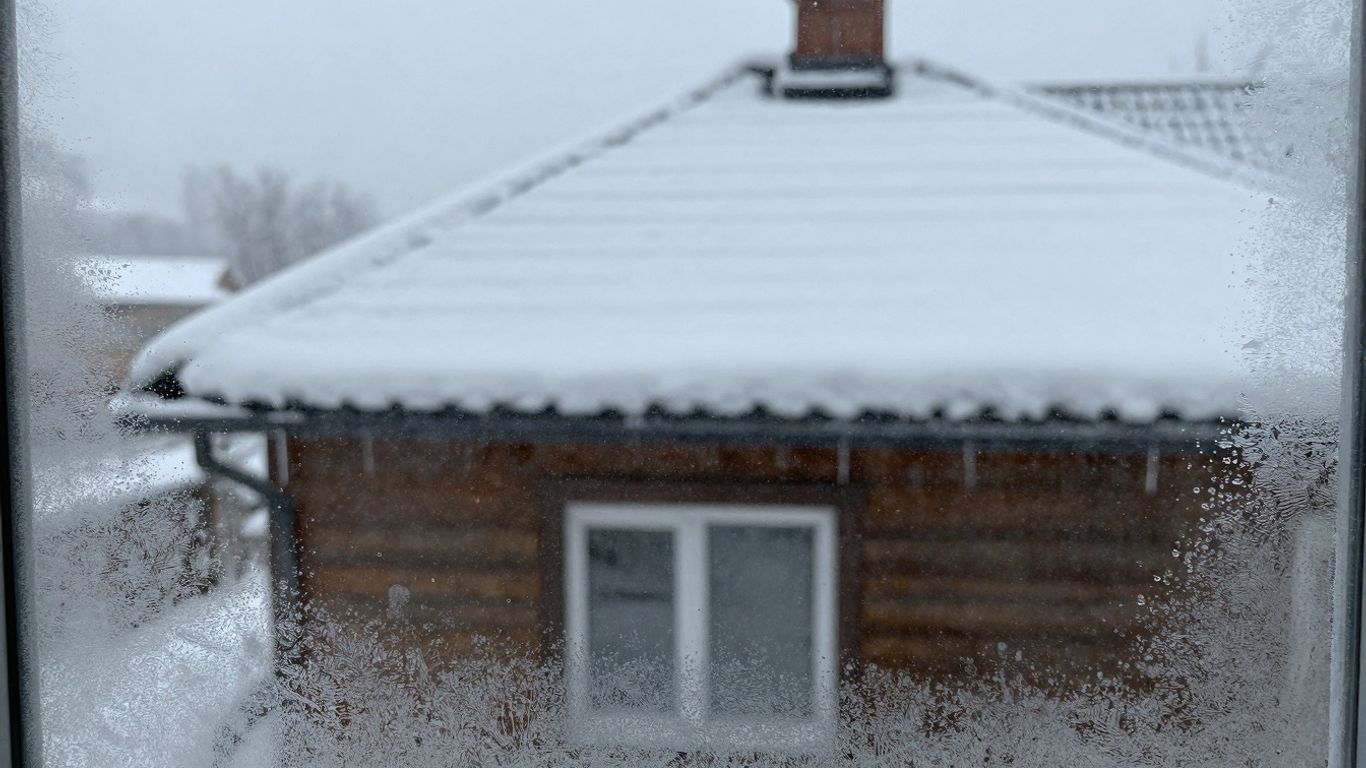
Windows, while lovely for letting in light, can be a major weak spot when it comes to keeping our homes warm in the winter. We often focus on walls and attics, but a lot of heat can just slip right out through the glass and frames. It’s like having a leaky faucet, but instead of water, it’s warm air escaping.
Selecting Energy-Efficient Window Panes
When we talk about windows, the type of glass makes a big difference. Older, single-pane windows are pretty much useless for insulation. They let a ton of heat out and cold air in. We should be looking at double-pane or even triple-pane windows. These have layers of glass with a space in between, usually filled with air or an inert gas like argon. This gap acts as a barrier, slowing down heat transfer.
Another thing to consider is the low-E coating. This is a thin, transparent layer applied to the glass. In winter, it helps reflect heat back into the room, stopping it from escaping. It’s a small detail, but it really adds up.
Here’s a quick look at how different window types perform:
| Window Type | U-Factor (Lower is Better) | SHGC (Lower is Better for Winter Heat Loss) |
|---|---|---|
| Single-Pane | 1.0 – 1.2 | 0.8 – 0.9 |
| Double-Pane (Clear) | 0.4 – 0.6 | 0.7 – 0.8 |
| Double-Pane (Low-E) | 0.2 – 0.4 | 0.3 – 0.5 |
| Triple-Pane (Low-E) | 0.1 – 0.3 | 0.2 – 0.4 |
Implementing Window Treatments For Insulation
Even with good windows, we can do more. Window treatments are our next line of defense. Think of them as extra blankets for your windows.
- Heavy Curtains: Thick, lined curtains are fantastic. When closed, they create an air pocket between the curtain and the window, which helps trap heat. Make sure they go all the way to the floor or windowsill to block drafts.
- Cellular Shades: These shades have honeycomb-shaped pockets that trap air. They’re quite effective at reducing heat loss and can also help with noise reduction.
- Window Insulating Film: This is a plastic film we can apply directly to the glass. It creates an insulating air gap, similar to double-paning, but it’s a much cheaper option. It’s not as pretty as new windows, but it works.
- Storm Windows: These are secondary windows installed on the outside or inside of your existing windows. They add another layer of protection and significantly cut down on heat loss.
We found that using a combination of these methods made the biggest difference. It wasn’t just one thing, but several small steps working together that really helped keep the cold out and the warmth in. It took a bit of effort, but the results were noticeable in our heating bills.
We should also check the window frames themselves. Old, leaky frames can let in a lot of cold air. Sometimes, just caulking around the edges or adding weatherstripping can make a surprising improvement. It’s all about sealing up those little gaps where the heat likes to escape.
Wrapping Up Our Winter Warmth Efforts
So, we’ve talked about windows and roofs, two big spots where heat likes to escape our homes during the cold months. It might seem like a lot, but tackling these areas can really make a difference in how warm and comfortable we stay. Plus, less heat escaping means we probably won’t have to turn the thermostat up quite so high, which is good for our wallets too. Think of it as giving your house a cozy blanket. We hope this gives you some good ideas to try out before the next big chill hits.
Frequently Asked Questions
What’s the simplest way to stop heat from escaping our house through the roof in winter?
The most effective method we’ve found is to make sure our attic has enough insulation. Think of it like putting a warm hat on your house. We should check if the insulation is spread out evenly and reaches the right thickness. If it’s old or thin, adding more is a great idea to keep the cold out and the warmth in.
Are there easy things we can do to make our windows less drafty during cold weather?
Absolutely! One simple step is to use heavy curtains or thermal blinds. These act like an extra layer of protection against the cold air outside. Also, we can check for any small gaps around the window frames and seal them up with caulk or weatherstripping. It makes a surprising difference in keeping our rooms cozy.
How do we know if our roof insulation is good enough for winter?
A good way to tell is by looking at its depth. In many places, we aim for insulation that’s about 12 to 15 inches thick, depending on the type. If you can easily see the wooden beams (joists) in your attic, it usually means the insulation isn’t deep enough. We can also feel for cold spots in the ceiling on really chilly days, which might signal a problem area.
The post Minimizing Heat Loss Through Windows and Roofs in Winter first appeared on Taylore Roofing.