December 23, 2025
As the colder months approach, we often think about heating our homes. But what about the roof? It’s a big part of keeping the warm air in and the cold air out. We’ve been looking into ways to make our roofs work better for energy efficiency, especially when winter hits. It turns out there are some smart upgrades we can consider. Let’s explore how a better roof can mean a more comfortable and less expensive winter for us.
Key Takeaways
- Making sure our attics are properly ventilated is important for keeping our roofs in good shape and helping with energy efficiency. It stops heat and moisture from building up.
- Choosing the right insulation materials for our attics makes a big difference in how much energy we use. Some materials are just better at keeping the heat where we want it.
- Newer roofing materials can help reflect sunlight, keeping our homes cooler in summer, and some are built tough to handle bad weather, which also relates to long-term efficiency.
Enhancing Your Roof’s Insulation For Energy Efficient Roofing
When we think about keeping our homes warm in the winter, we often focus on the furnace or the windows. But the roof plays a massive part, maybe even the biggest part, in how much heat escapes. A poorly insulated roof is like leaving a window open all winter – a huge waste of energy and money. We need to look at how our attics are set up and what materials we’re using to keep that warm air inside where it belongs.
Understanding Attic Ventilation’s Role
It might seem counterintuitive, but a well-ventilated attic is key to winter efficiency. We’re not talking about letting the cold air in, but about managing moisture. In the winter, warm, moist air from inside our homes rises. If it gets trapped in the attic, it can condense on the cold underside of the roof sheathing. This moisture can lead to mold, rot, and even ice dams, which are a real headache. Proper ventilation, usually a combination of soffit vents (low down) and ridge vents (high up), allows this moist air to escape and be replaced by drier, colder outside air. This keeps the attic space colder, preventing condensation and protecting the roof structure. Good attic ventilation helps keep your insulation dry and working its best.
Choosing The Right Insulation Materials
The type and amount of insulation in your attic are critical. We want materials that provide a good R-value , which is a measure of how well they resist heat flow. More R-value means better insulation.
Here are some common options we consider:
- Fiberglass Batts: These are the most common and affordable. They come in pre-cut rolls or batts and are fitted between the joists. They’re easy to install but can leave gaps if not done carefully.
- Cellulose Insulation: Made from recycled paper, this is blown into the attic space. It fills gaps better than batts and has a good R-value. It’s also a more eco-friendly choice.
- Spray Foam Insulation: This is applied as a liquid and expands to fill every nook and cranny. It offers the highest R-value per inch and creates an excellent air seal. While more expensive upfront, it can pay for itself over time.
When deciding on insulation, think about the total R-value needed for our climate zone. Building codes usually specify a minimum, but going a bit higher can lead to even greater savings. We also need to make sure the insulation is installed correctly, without compressing it, as that reduces its effectiveness.
We should aim for a continuous layer of insulation across the entire attic floor, covering the tops of the walls and any access hatches. This prevents thermal bridging, where heat can escape through uninsulated spots.
Selecting Advanced Materials For Superior Energy Efficient Roofing
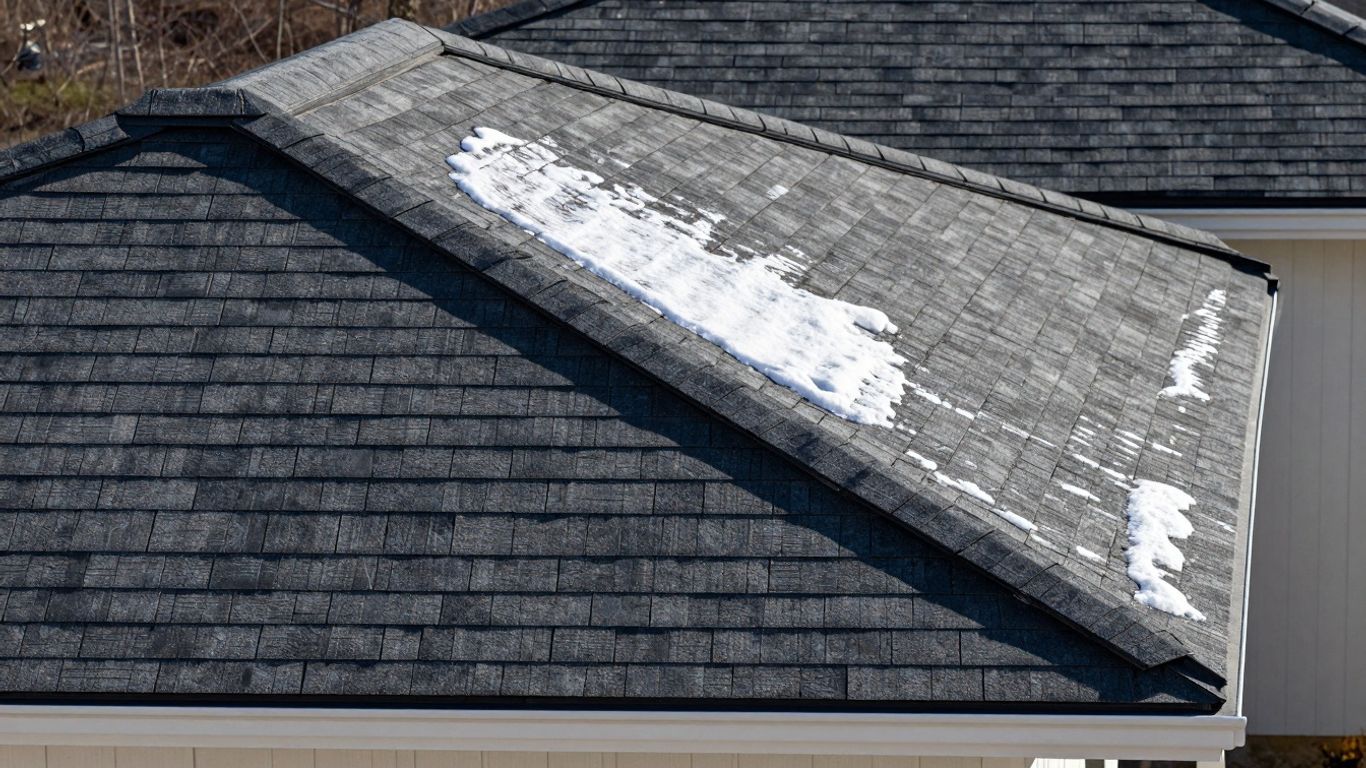
Beyond just insulation and ventilation, the actual materials making up our roofs play a big part in how well our homes keep heat in during the winter. We’ve been looking into some newer options that can really make a difference, not just for comfort but also for our energy bills. It’s not just about picking shingles that look good anymore; we can choose materials that actively work to keep our homes warmer when it’s cold outside.
Cool Roof Technologies
Now, you might think "cool roof" sounds like something for summer, and you’d be right. These are designed to reflect sunlight and heat away from the building. But here’s the thing: even in winter, a dark roof can absorb a surprising amount of solar radiation. This absorbed heat can then radiate into your attic space, making your heating system work harder to keep the living areas at a comfortable temperature. Cool roof materials, often with lighter colors or special reflective coatings, minimize this unwanted heat gain. While their primary benefit is reducing cooling costs, they also contribute to a more stable attic temperature year-round, which indirectly helps with winter efficiency by preventing excessive heat transfer from the sun.
Impact-Resistant Shingles
When we talk about impact-resistant shingles, we’re usually thinking about protection from hail or falling branches. However, these shingles often have a denser, more robust construction than standard ones. This added density can mean they offer better thermal resistance. Think of it like wearing a thicker coat versus a thin one; the thicker material provides more of a barrier. While not their main selling point, the improved durability and density of impact-resistant shingles can contribute to a more insulated roof system. We’ve seen some data suggesting that certain types can offer a slight edge in preventing heat loss compared to basic asphalt shingles. It’s worth considering if you’re in an area prone to severe weather, as you get the dual benefit of protection and a potential boost in energy efficiency.
Here’s a quick look at how different shingle types might compare in terms of general thermal properties:
| Shingle Type | General Thermal Resistance | Notes |
|---|---|---|
| Standard Asphalt | Low | Most common, basic performance |
| Architectural Asphalt | Medium | Thicker, better durability |
| Impact-Resistant Asphalt | Medium-High | Denser, often thicker, added protection |
| Metal (with coating) | Varies | Reflective coatings are key for efficiency |
| Tile (Clay/Concrete) | Medium | Can be heavy, good insulation potential |
We’ve found that when choosing new roofing materials, it’s not just about the upfront cost or the look. Thinking about how these materials interact with our climate throughout the year, especially during those colder months, can lead to smarter, more cost-effective decisions down the line. It’s about building a home that’s comfortable and efficient, no matter the season.
Wrapping Up Our Winter Roof Talk
So, we’ve gone over a few ways to get our roofs ready for the cold months. Thinking about these upgrades now, before the snow really starts to fall, just makes sense. It’s not just about keeping the heat in, though that’s a big part of it. A good roof means less worry when the wind howls and the ice builds up. We looked at insulation, ventilation, and even the shingles themselves. Each piece plays a role in how well our homes handle winter. It might seem like a lot to think about, but taking these steps now can save us headaches and money down the road. Let’s get those roofs in shape for whatever winter throws at us.
Frequently Asked Questions
Why is it important to make sure our attic is properly ventilated, especially when thinking about winter?
Proper attic ventilation is crucial because it helps keep the temperature in your attic more balanced. In the winter, it allows moist air to escape, which can prevent ice dams from forming on your roof’s edge and also stops moisture from damaging your home’s structure over time. Think of it as letting your attic breathe so it doesn’t get too stuffy or damp.
What are some simple ways we can improve our roof’s insulation to save energy during colder months?
One of the most effective things we can do is add more insulation in the attic. We should check the current amount and see if it meets recommended levels. Also, ensuring there are no gaps or leaks where warm air can escape is key. Sometimes, simple fixes like sealing up small openings can make a big difference in keeping our homes warmer and our energy bills lower.
Are there special types of roofing materials that are better for keeping our house warm in the winter?
While some materials are known for reflecting heat in the summer, like cool roof technologies, for winter efficiency, we want to focus on materials that help keep the heat inside. This often ties back to good insulation and ventilation. However, choosing durable shingles that are well-installed also plays a role in preventing drafts and maintaining a consistent indoor temperature. We should look for materials that offer good protection against the elements.
The post Residential Roofing Upgrades for Better Winter Efficiency first appeared on Taylore Roofing.