February 10, 2026
When we think about keeping our homes safe and sound, the siding often gets overlooked. It’s more than just how our house looks from the street; it’s a big part of what keeps the weather out. Getting the siding installed right from the start is a big deal for the long run. We’ll look at why it matters and what goes into doing it the right way, especially when you’re thinking about professional roofing and siding services.
Key Takeaways
- The siding on our homes does a lot more than just make it look nice. It’s a main line of defense against rain, wind, and sun.
- Choosing the right siding material is important, but how it’s put up is just as, if not more, important for protecting our homes.
- For siding that lasts and works well, we should seriously consider using professional roofing and siding services. They know the steps needed for a good job.
Ensuring A Solid Foundation For Your Home
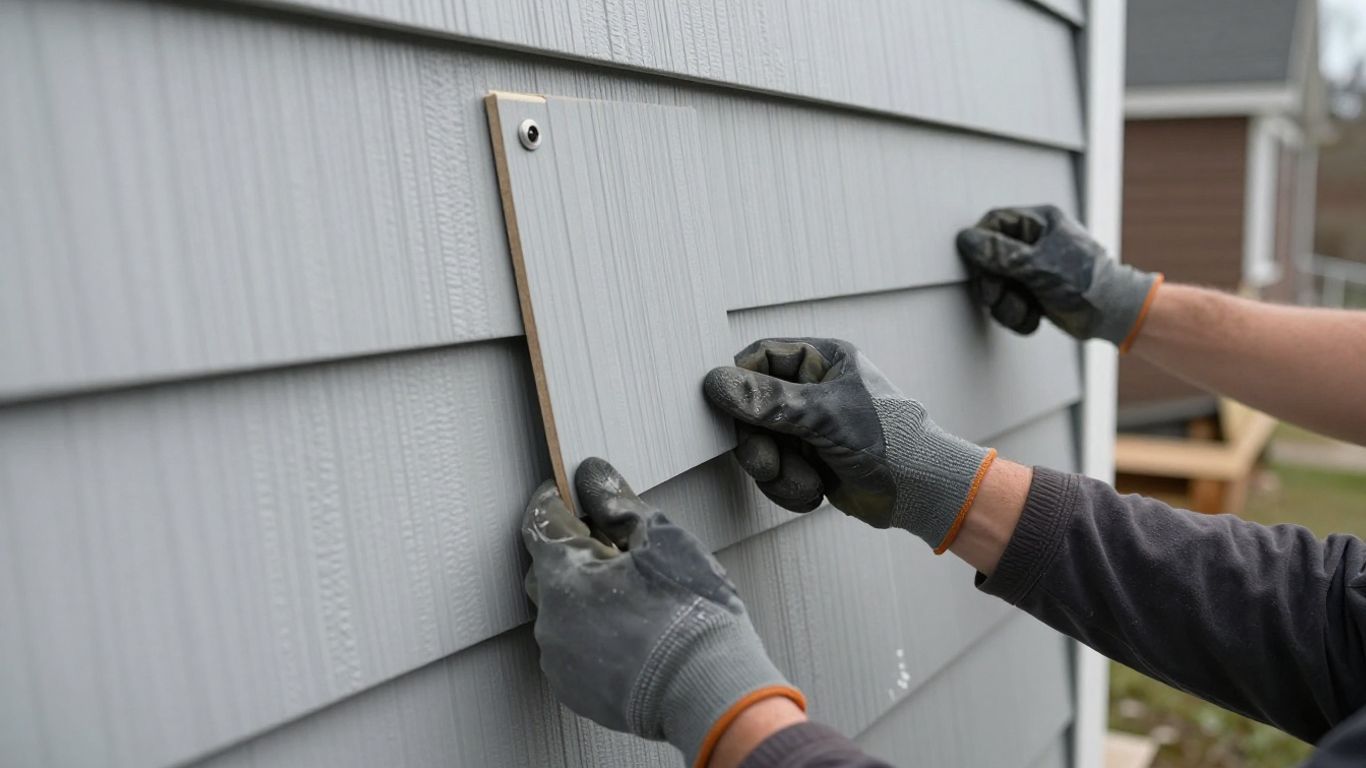
When we think about protecting our homes, the roof often comes to mind first, and for good reason. But the walls, the part we see every day, play a massive role too. The siding isn’t just about looks; it’s a primary shield against the elements. We need to consider how it works with the rest of the house structure.
The Crucial Role Of Siding In Home Protection
Our home’s siding acts as the first line of defense. It keeps out rain, snow, wind, and even pests. A good siding system, properly installed, prevents water from getting into the walls, which can lead to rot and mold. This is something we really want to avoid. It also helps with insulation, keeping our homes warmer in the winter and cooler in the summer, which can save us money on energy bills. Think of it as a protective coat for your house.
- Water Management: Directs water away from the building’s structure.
- Pest Deterrence: Prevents insects and rodents from entering.
- Energy Efficiency: Contributes to better insulation.
- Structural Support: Adds a layer of rigidity to the walls.
We often overlook how much work our siding does day in and day out. It’s constantly exposed to sun, rain, and temperature changes. Making sure it’s in good shape is key to the long-term health of our homes.
Understanding Different Siding Materials
There are several common materials we see used for home siding, and each has its own set of pros and cons. Knowing these differences helps us make a better choice for our specific needs and budget.
- Vinyl Siding: This is a popular choice because it’s relatively inexpensive and requires low maintenance. It comes in many colors and styles. However, it can become brittle in very cold weather and may fade over time with sun exposure.
- Wood Siding: Wood offers a classic, natural look that many people love. It can be painted or stained. The downside is that it needs regular upkeep, like painting or sealing, to protect it from moisture and insects. It can also be more expensive.
- Fiber Cement Siding: This material is made from cement, sand, and cellulose fibers. It’s very durable, resistant to rot, insects, and fire. It can mimic the look of wood but requires less maintenance than real wood. It’s heavier and can be more costly upfront.
- Metal Siding (Aluminum/Steel): Metal siding is known for its durability and low maintenance. It’s resistant to fire and pests. However, it can dent, and some types can be prone to corrosion if not properly coated. It might not offer the same aesthetic appeal as other materials for some homeowners.
Choosing the right material is just the first step. How it’s put up is just as important, if not more so.
Professional Installation For Lasting Results
Why Expert Roofing and Siding Services Matter
We know it can be tempting to think about tackling siding installation as a DIY project, especially if you’re handy around the house. However, when it comes to protecting your home’s structure, siding is a big deal. Getting it right from the start means fewer headaches down the road. Professional installation isn’t just about making your house look good; it’s about building a strong defense against the elements. We’ve seen too many situations where a less-than-perfect job led to water damage, drafts, and premature material failure. That’s why we always recommend bringing in the pros.
Key Steps In Proper Siding Installation
Proper siding installation involves several important steps that our teams follow carefully. It’s more than just nailing boards to the wall. We focus on the details that make a difference for the long haul.
- Preparation is Key: Before any new siding goes up, we make sure the existing wall surface is sound. This means checking for and repairing any rot or damage to the sheathing underneath. We also ensure the house wrap, which acts as a moisture barrier, is installed correctly and sealed properly.
- Correct Fastening: How the siding is attached matters a lot. We use the right type and size of fasteners for the specific siding material. We also pay attention to how much space to leave for expansion and contraction, which is really important for vinyl and wood siding.
- Flashing and Sealing: This is where a lot of problems can start if not done right. We meticulously install flashing around windows, doors, and corners. This metal or vinyl strip directs water away from vulnerable areas. Proper caulking also seals gaps to stop water and air from getting in.
- Ventilation: For certain types of siding, like wood or fiber cement, proper attic and wall ventilation is needed. This helps manage moisture and prevents issues like mold or rot from developing within the wall cavity.
We approach every siding project with the goal of creating a durable, weather-resistant exterior for your home. Our process is designed to address potential weak points before they become problems, giving you peace of mind and a home that’s truly protected.
Here’s a quick look at some common siding materials and what to consider during installation:
| Material | Key Installation Consideration |
|---|---|
| Vinyl | Proper nailing for expansion/contraction, starter strip level |
| Wood | Sealing end cuts, proper overlap, painting/staining |
| Fiber Cement | Specific cutting tools, proper fastening, expansion gaps |
| Metal | Expansion joints, correct gauge, underlayment |
Wrapping Up: A Solid Finish
So, we’ve talked a lot about siding. It’s not just about making your house look good, though that’s part of it. Getting the siding put on right, from the start, really matters for keeping your home safe and sound. We hope this has given you a clearer picture of why proper installation is so important. It’s an investment that pays off, keeping the weather out and your family comfortable for years to come. If you’re thinking about new siding, take the time to find good installers. It’s worth the effort.
Frequently Asked Questions
Why is choosing the right siding so important for our house?
Picking the correct siding is like giving our home a strong, protective coat. It’s the first line of defense against rain, wind, sun, and even bugs. Good siding keeps our house dry, warm in the winter, and cool in the summer, which also helps save energy. It also makes our home look great and can even increase its value.
What’s the big deal about having siding installed by professionals?
While it might seem like a simple job, putting up siding correctly is really important for it to work well and last a long time. Professionals know all the tricks, like making sure water can run off properly and that the siding is attached securely. If it’s not done right, we could end up with leaks, damage, or the siding falling off, which costs more to fix later.
What are the main things to look for when our siding is being put up?
When we get new siding, we should make sure the installers are doing a few key things. They need to prepare the walls correctly, making sure they’re clean and dry. They also need to use the right nails and fasten the siding so it has a little room to expand and shrink with the weather. Proper sealing around windows and doors is also crucial to stop water from getting in.
The post Protecting Your Home with Proper Siding Installation first appeared on Taylore Roofing.