January 13, 2026
As the colder months approach in Stafford, VA, it’s time we think about protecting our homes. Our roofs take a beating from the elements, and winter can be particularly tough. Getting ahead of potential problems now can save us a lot of trouble and expense down the road. We want to make sure our homes are ready for snow, ice, and wind.
Key Takeaways
- We should check our roofs for any signs of damage or wear before winter really sets in.
- Keeping our gutters and downspouts clear is important for water drainage.
- We need to look at attic ventilation and trim any branches that might cause problems.
Prepare Your Roof For Winter Weather
Before the first snowflake even thinks about falling here in Stafford, VA, we need to get our roofs ready. It’s not just about looks; it’s about preventing costly damage when the cold really sets in. Taking a little time now can save us a lot of headaches later.
Inspect For Damage And Wear
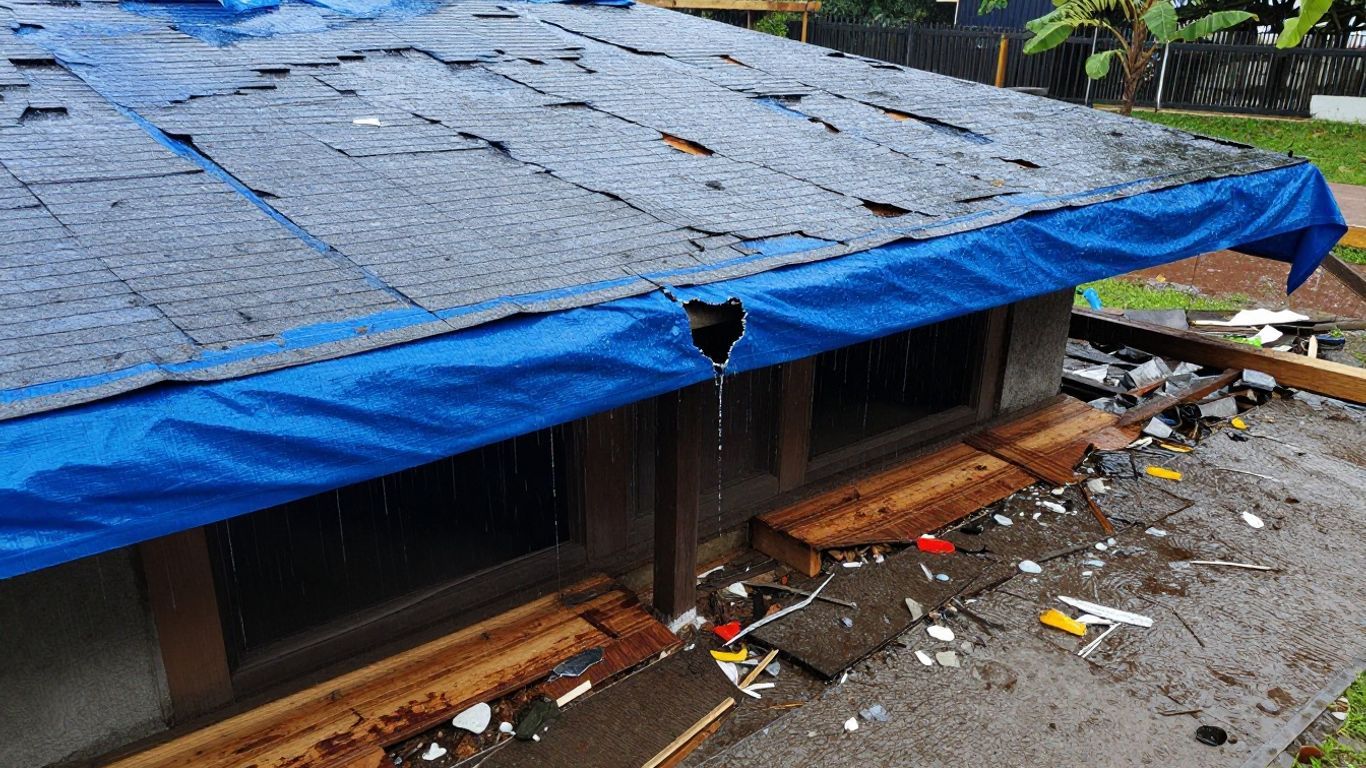
We should all take a good look at our roofs. Sometimes, we don’t notice small problems until they become big ones, especially with weather. We’re talking about things like missing shingles, cracked tiles, or areas where the protective granules seem to be washing away. These are weak spots where water can get in, freeze, and expand, making the damage worse. It’s also a good idea to check around vents, chimneys, and skylights for any signs of wear or loose flashing. A thorough inspection now can catch issues before they turn into leaks.
Clear Gutters And Downspouts
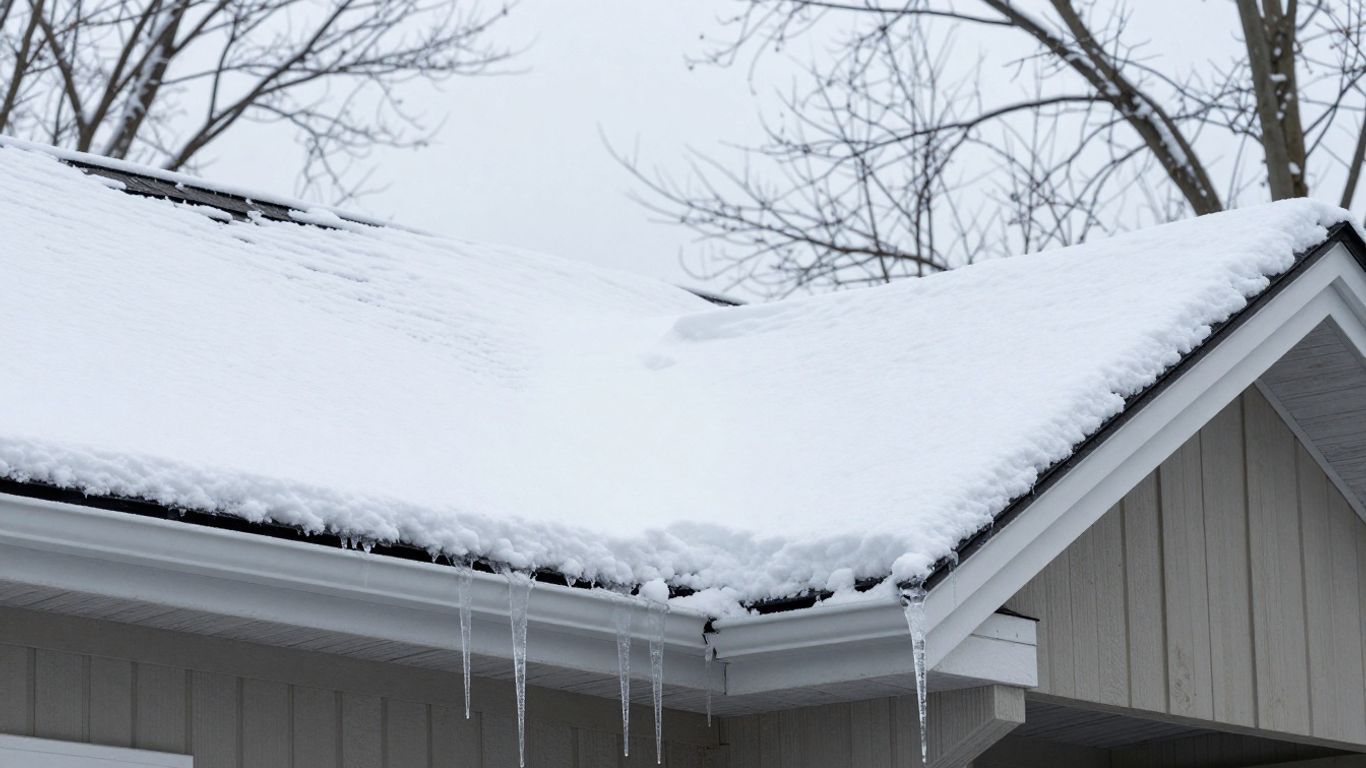
Clogged gutters are a real problem in winter. When leaves, twigs, and other debris pile up, they stop water from flowing away from your house. If this water freezes, it can create ice dams. Ice dams form when melting snow refreezes at the edge of your roof, creating a barrier that forces water back up under your shingles. This can lead to water damage inside your home, on your ceilings, and even in your walls. We need to make sure our gutters and downspouts are completely clear. It might be a messy job, but it’s important.
Keeping your gutters clear is one of those simple maintenance tasks that pays off big time when winter weather hits. It’s a small effort for significant protection.
Essential Winter Roof Maintenance Steps
Now that we’ve looked at the initial checks, let’s get into the actual maintenance we should be doing to keep our roofs in good shape for the winter.
Trim Overhanging Branches
We need to pay attention to any tree branches that hang over our homes. When winter storms hit, especially with ice and heavy snow, these branches can become quite heavy. If they’re too close to the roof, they might snap and fall, causing serious damage. We should aim to keep branches at least a few feet away from the roofline. It’s a good idea to do this before the really cold weather sets in. If you have large trees or branches that look risky, it’s best to call a professional tree service. They have the right equipment and know-how to do it safely.
Check Attic Ventilation
This might seem a bit odd, but attic ventilation plays a big role in roof health during winter. Proper airflow in the attic helps prevent ice dams from forming. Ice dams happen when snow melts on the warmer parts of your roof and then refreezes near the colder edges, creating a barrier that can force water back up under your shingles. We should check that our attic vents aren’t blocked by insulation or debris. Making sure the air can move freely helps keep the roof surface temperature more even, which is good for preventing those damaging ice dams. A well-ventilated attic is key to a healthy roof all year round, but especially in winter.
Sometimes, we forget about the parts of our house we don’t see every day, like the attic. But what happens up there can really affect the rest of the structure, especially when the weather gets tough. Taking a little time to check on it can save us a lot of trouble later on.
Here are some things to look for regarding attic ventilation:
- Make sure soffit vents aren’t covered by insulation.
- Check that ridge vents or gable vents are clear of obstructions.
- Look for any signs of moisture or condensation in the attic, which could indicate a ventilation problem.
- Consider adding more vents if your attic feels stuffy or excessively hot in warmer months, as this indicates poor airflow.
Wrapping Up Your Roof Prep
So, we’ve gone over a few things to get your roof ready for the cold weather here in Stafford. Taking these steps now can really save us a headache later when the snow starts falling. It might seem like a lot, but a little bit of work now means less worry down the road. If anything feels too tricky, don’t hesitate to call in a pro. Keeping our homes safe and sound through winter is what it’s all about.
Frequently Asked Questions
When should we start getting our roof ready for winter?
It’s best to begin preparing your roof for the colder months as soon as autumn arrives. We recommend doing this in early fall, typically around September or October, before the harsh winter weather sets in. This gives us plenty of time to find and fix any issues.
What are the most common roof problems we might see in winter?
In Stafford, VA, winter can bring ice dams, which are ridges of ice that form at the edge of a roof and can cause water to back up. We also worry about heavy snow piling up, potentially straining the roof structure, and wind damage from winter storms. Loose shingles are another concern that can lead to leaks.
How often should we have our roof checked by professionals?
We suggest having your roof inspected at least twice a year, ideally in the spring and fall. This regular check-up helps us catch small problems before they turn into big, expensive ones. It’s also a good idea to get an inspection after any major storm event.
The post Tips for Winterizing Your Roof in Stafford VA first appeared on Taylore Roofing.