January 20, 2026
Winter weather can really put a strain on your commercial building’s roof. We know that keeping things in good shape is important, and that’s why we’ve put together some tips. Thinking ahead about commercial roof maintenance can save us a lot of trouble down the road. Let’s get your roof ready for the cold months.
Key Takeaways
- Before winter hits, we need to check our roofs for any weak spots or damage that could get worse with snow and ice. Clearing leaves and other junk away stops water from pooling and freezing, which helps prevent ice dams.
- During the winter, we should keep an eye on our roof’s drainage. Making sure gutters and drains are clear is a big part of good commercial roof maintenance. Fixing small problems as soon as we see them stops them from turning into larger, more expensive repairs.
- Regular checks and simple fixes are the name of the game for winter commercial roof maintenance. It’s better to spend a little time now than deal with a big leak or structural issue later when the weather is really bad.
Proactive Commercial Roof Maintenance Before Winter Arrives
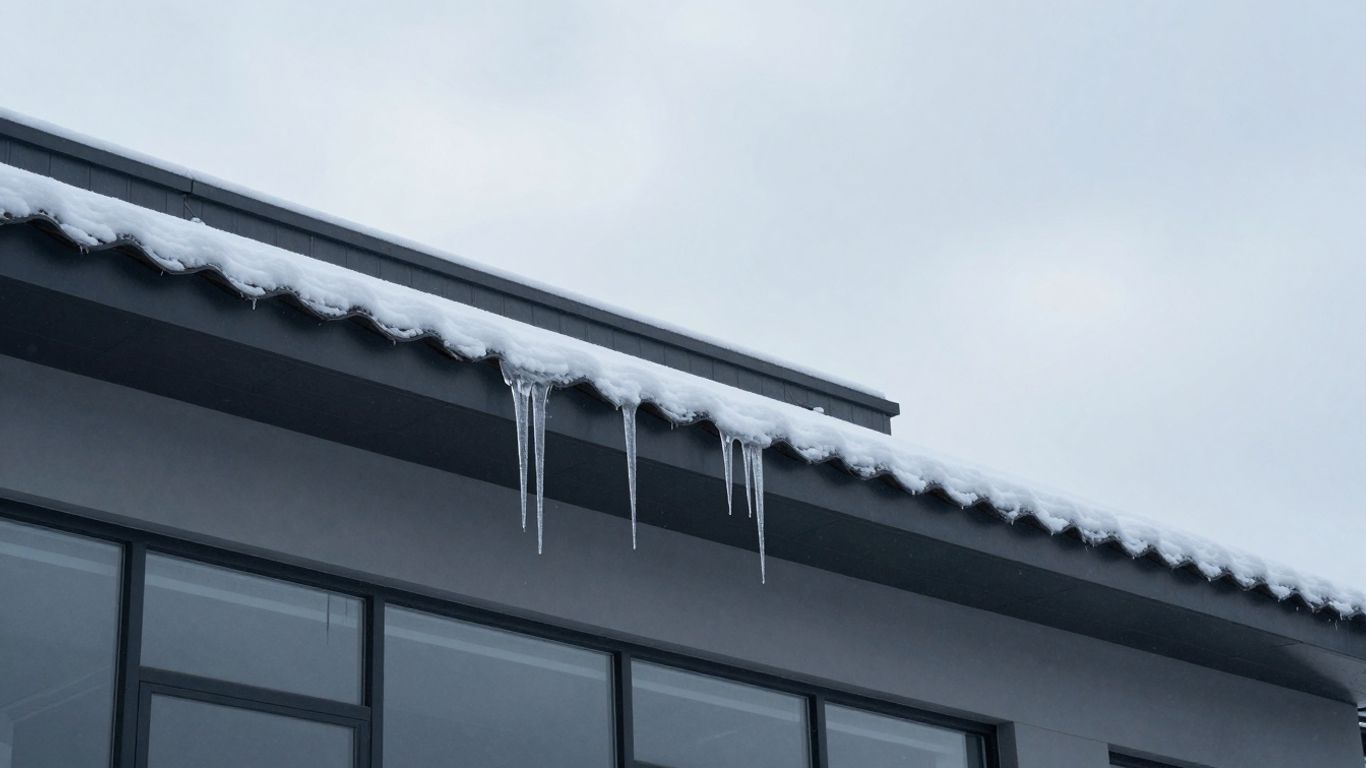
Before the first snowflake hits, we need to get our commercial roofs ready for the cold. Winter can be tough on buildings, and a little preparation now can save us a lot of headaches later. Taking these steps before winter sets in is key to preventing costly damage.
Inspect For Potential Winter Damage
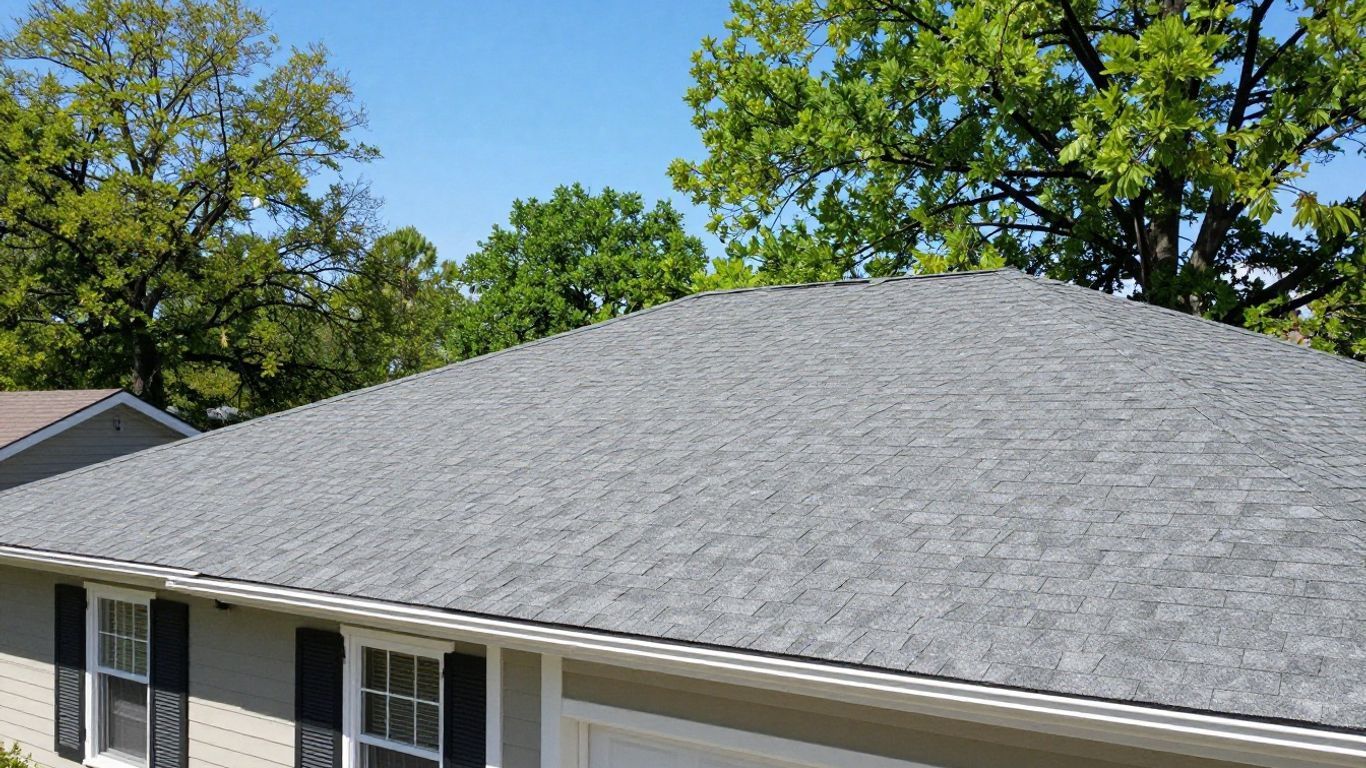
We should start by giving the roof a good look-over. Think of it like a pre-flight check for your building’s top. We’re looking for anything that might cause problems when the snow and ice pile up.
- Check for loose or missing shingles/membrane sections: These are weak spots where water can get in and freeze, expanding and causing more damage.
- Examine flashing around vents, chimneys, and edges: Damaged flashing is a common entry point for water.
- Look for cracks or blisters in the roofing material: These can worsen with temperature changes.
- Inspect the overall surface for wear and tear: Any areas that look thin or worn might not hold up to winter’s weight.
A thorough inspection helps us spot problems before they become big, expensive issues. It’s better to fix a small tear now than deal with a leak and water damage later.
Clear Debris To Prevent Ice Dams
Leaves, branches, and other junk on the roof might not seem like a big deal, but they can cause serious trouble in winter. They block water from draining properly, which leads to ice dams.
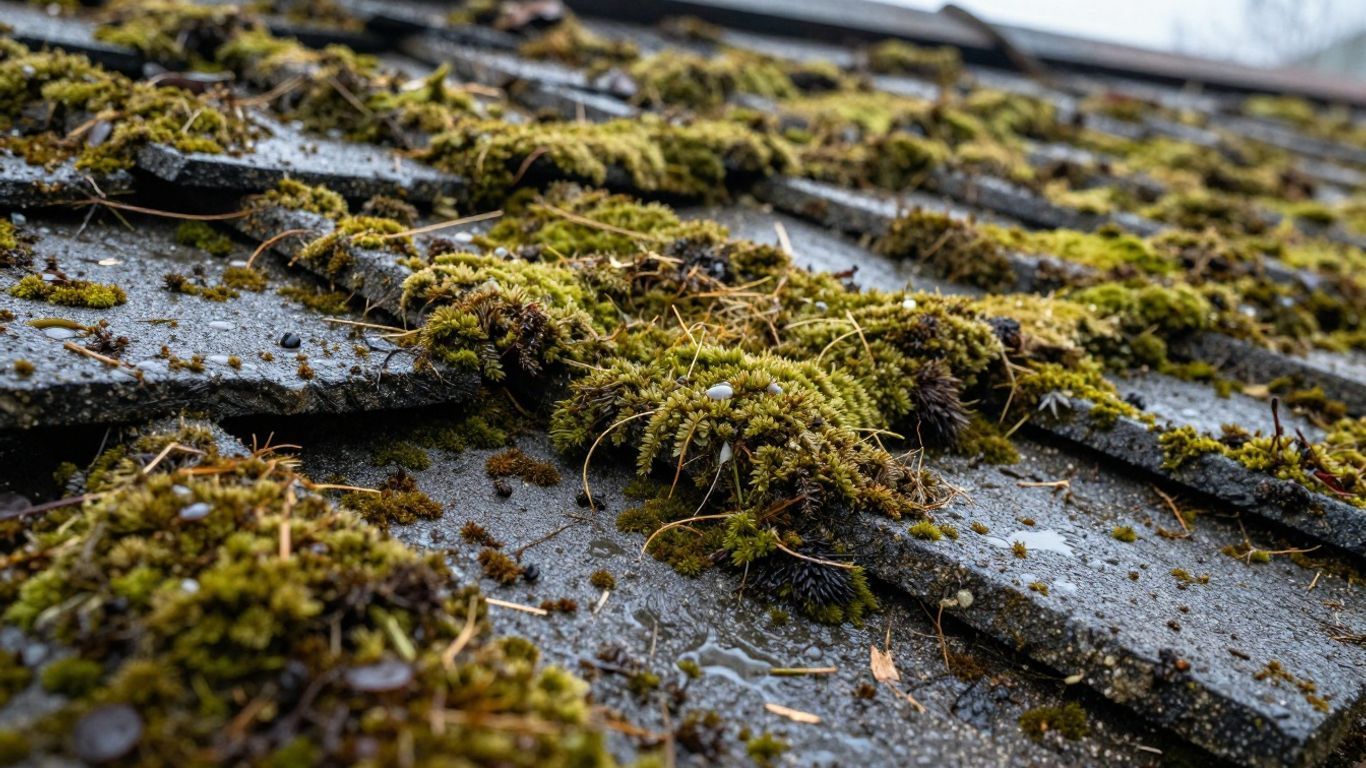
- Remove all leaves and organic matter: These hold moisture and can freeze.
- Clear out any accumulated dirt or grit: This stuff can clog drains.
- Trim overhanging tree branches: This stops new debris from falling onto the roof.
Ice dams form when snow melts and then refreezes at the edge of the roof. This backed-up water can seep under shingles and into the building. Keeping the roof clear helps water flow away as it should.
Essential Winter Commercial Roof Maintenance Practices
Now that winter has settled in, our focus shifts to keeping our commercial roofs in good shape through the colder months. It’s not just about waiting for spring; there are things we need to do right now.
Monitor Drainage Systems Regularly
Water management is a big deal when it’s cold. We need to keep an eye on our roof’s drainage systems, like gutters and downspouts, to make sure they aren’t blocked. Ice and snow can really pack things in there, and if water can’t get off the roof, it can pool up. This standing water can freeze and thaw, which is tough on roofing materials. Plus, if it freezes solid, it can add a lot of extra weight to the roof structure. We should check these areas at least once a week, especially after a big snow or ice event.
- Check gutters and downspouts for ice buildup.
- Clear any accumulated snow or ice that’s blocking flow.
- Look for signs of water pooling on the roof surface.
Address Minor Issues Promptly
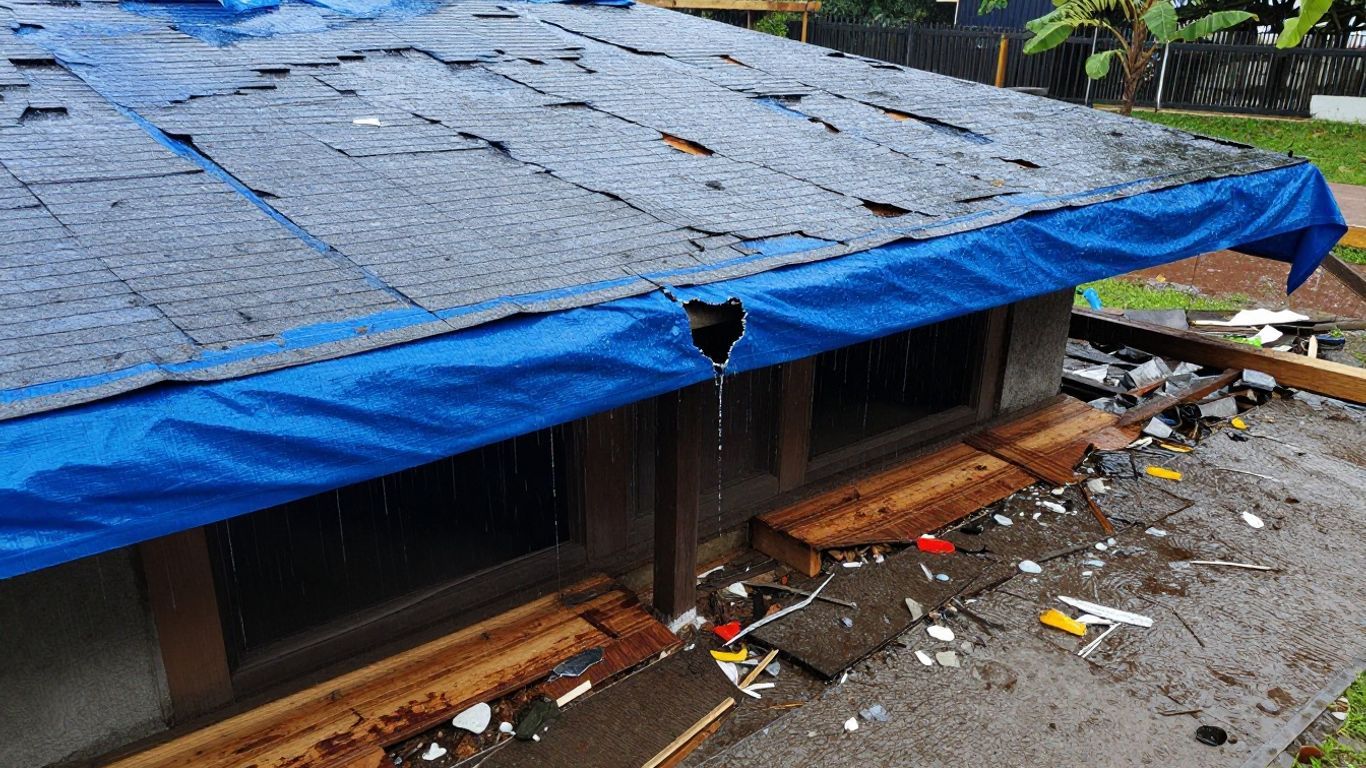
We all know how a small problem can turn into a big headache. This is especially true for roofs in winter. That tiny crack we might have missed in the fall could let in moisture, which then freezes and expands, making the crack much worse. We need to be proactive. If we see anything that looks off – a loose shingle, a small puncture, or a bit of sealant that’s peeling – we should get it looked at right away. It might seem minor now, but winter conditions can really speed up the damage.
It’s tempting to put off roof repairs until the weather gets warmer, but winter’s harsh conditions can turn small problems into costly emergencies. Addressing issues as soon as they appear is the smartest approach to protect our building.
Here’s a quick rundown of what to look for:
- Loose or missing shingles.
- Cracks or punctures in the membrane.
- Deteriorated caulking or sealant around penetrations (like vents or pipes).
- Any signs of leaks inside the building, which could indicate a roof issue.
Wrapping Up Our Winter Roof Care
So, we’ve gone over what we need to do to get our commercial roofs ready for winter. It might seem like a lot, but taking these steps now can really save us headaches down the road. A little bit of work before the snow flies can prevent bigger, more expensive problems later. We want our buildings to stay dry and safe, and a well-maintained roof is a big part of that. Let’s get these checks done and give ourselves some peace of mind through the cold months.
Frequently Asked Questions
Why should we check our roof before winter hits?
It’s smart to get a good look at our roof before the cold weather really sets in. This way, we can spot any small problems that could turn into big, costly issues when snow and ice arrive. Think of it like getting your car ready for a road trip – a little check now saves a lot of trouble later.
What happens if we don’t clear leaves and stuff from our roof?
If we leave leaves, twigs, and other debris on the roof, they can block up our gutters and drains. When water freezes, it expands. If it can’t drain away, it can create ice dams, which are thick ridges of ice. These dams can force water back up under the roof shingles, leading to leaks and damage inside our building.
How often should we be looking at our roof drains during winter?
We should make it a habit to check our roof’s drainage systems pretty often during the winter months. Keeping an eye on them helps ensure that melting snow and ice can flow away freely. If we notice any clogs or slow draining, we need to deal with them right away to avoid water buildup and potential damage.
The post Winter Checklist for Maintaining Your Commercial Roof first appeared on Taylore Roofing.