January 27, 2026
Winter can be tough on our homes, and our roofs take a beating. We want to make sure our shingle roofs are ready for the cold, snow, and ice. Proper shingle roof maintenance before winter hits can save us a lot of trouble down the road. Let’s get our roofs in shape so they can handle whatever the season throws at them.
Key Takeaways
- Checking your shingles for any damage or wear is a good first step in shingle roof maintenance before winter.
- Keeping your roof clear of leaves and other debris helps stop water from sitting and causing problems.
- Dealing with ice dams and fixing any weak spots on your roof can prevent bigger issues when the snow starts to pile up.
Proactive Shingle Roof Maintenance For Winter Preparedness
Before the first snowflake even thinks about falling, we need to get our shingle roofs in shape. It might seem like a chore, but a little bit of work now can save us a lot of headaches later when the cold really sets in. Think of it as giving our homes a warm coat and sturdy boots for the winter.
Inspect Your Shingles For Wear And Tear
We should start by taking a good, long look at our shingles. Grab a ladder, or if you’re not comfortable with heights, get a trusted friend or professional to help. We’re looking for anything that seems off. Are any shingles cracked, curled, or missing altogether? These are like little entry points for water and ice, and we don’t want those getting in.
- Check for Granule Loss: Shingles have tiny granules that protect them from the sun. If you see a lot of them in your gutters or around the base of your house, it means the shingles are getting old and worn out.
- Look for Soft Spots: Gently press on the roof deck from the attic if you can access it. Any areas that feel soft or spongy could indicate moisture damage that needs attention.
- Examine Sealant: The sealant strips that hold shingles down can dry out and crack over time. We need to make sure they’re still doing their job.
A roof that looks okay from the ground might have hidden problems. It’s always better to be thorough and catch issues early.
Clear Debris To Prevent Water Pooling
Leaves, twigs, and other bits of nature can pile up on our roofs, especially in valleys and around chimneys. This debris traps moisture. When water can’t drain off properly, it sits there, which is bad news for shingles, especially when temperatures drop and that water freezes.
- Gutter Cleaning: Make sure your gutters and downspouts are clear. Clogged gutters mean water backs up onto the roof edge, which can lead to ice dams.
- Valley Check: Roof valleys are where two slopes meet. They’re prone to collecting debris, so we need to make sure they’re clear for water to flow freely.
- Chimney and Vent Areas: Pay attention to the areas around chimneys, vents, and skylights. Debris can easily get stuck here, blocking drainage.
We want to make sure water can run off our roofs like it’s supposed to. Keeping things clear is a simple but effective way to prevent bigger problems down the line.
Addressing Potential Winter Hazards On Your Shingle Roof
Winter can really put our shingle roofs to the test. We’ve got to be ready for what the cold weather throws at us. Ignoring potential problems now can lead to bigger, more expensive repairs down the line, and nobody wants that.
Manage Ice Dams To Protect Shingles
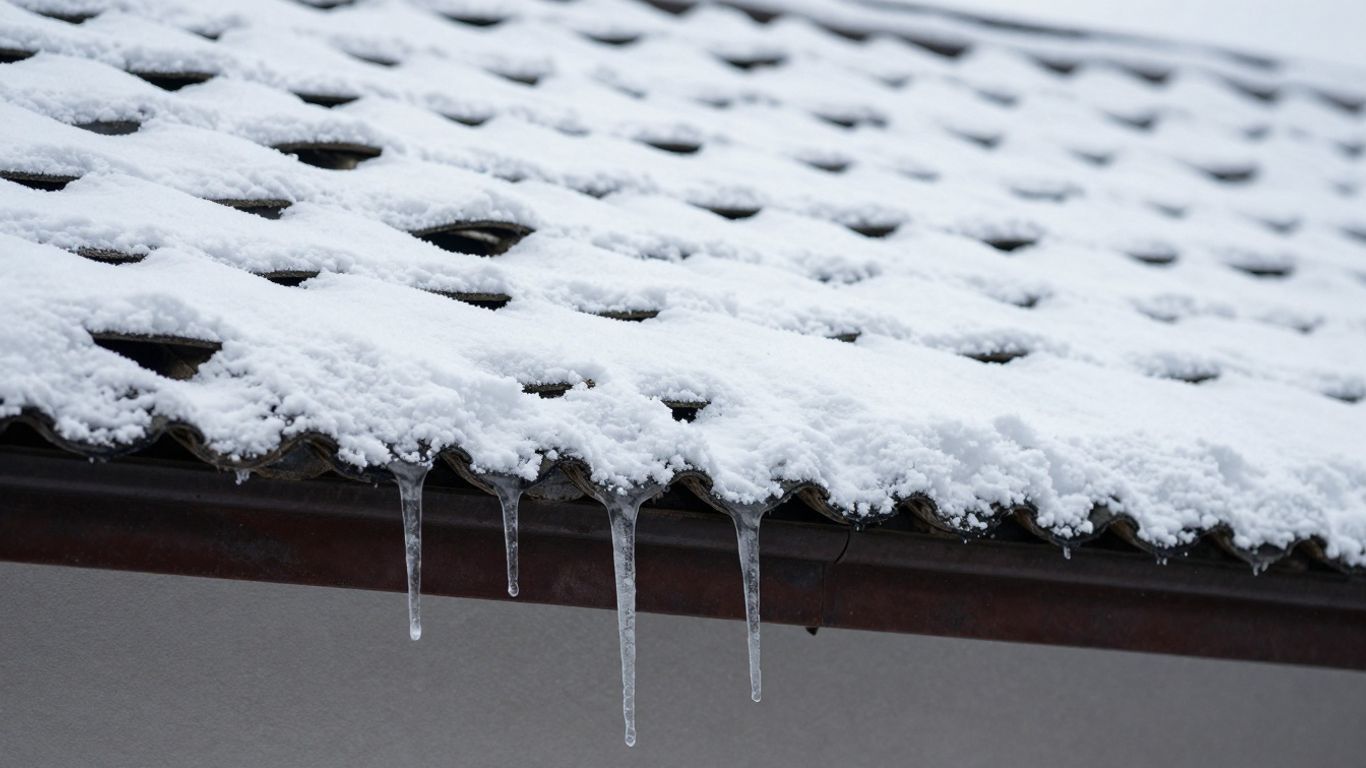
Ice dams are a real pain. They form when snow melts and then refreezes at the edge of your roof, creating a barrier that stops more meltwater from draining. This water can back up under your shingles, finding its way into your attic and even your home’s structure. It’s a sneaky way winter damage can start.
Here’s how we can tackle them:
- Ventilation is Key: Make sure your attic is properly ventilated. This helps keep the roof deck cold, preventing snow from melting unevenly in the first place.
- Insulation Matters: Good insulation in your attic floor stops heat from escaping your living space and warming the roof.
- Clear Gutters: Clogged gutters can contribute to ice dam formation. Keep them clear of leaves and debris.
- Roof Rakes: For lower roofs, a roof rake can help remove snow from the edges before it has a chance to melt and refreeze.
We need to be vigilant about watching for the tell-tale signs of ice dams, like icicles hanging from the eaves or water stains appearing on ceilings.
Reinforce Weak Spots Before Snowfall
Before the heavy snow starts piling up, it’s smart to check for any areas on your roof that might be weaker than others. Think of it like giving your roof a final check-up before a big storm.
- Check for Loose Shingles: If you notice any shingles that are curling, cracked, or missing altogether, they’re weak points. Wind can get under them, and they won’t shed water properly.
- Inspect Flashing: The metal flashing around chimneys, vents, and skylights is a common place for leaks. Make sure it’s secure and not corroded.
- Look for Sagging: Any noticeable sagging in the roof deck could indicate underlying structural issues or water damage that needs attention.
Addressing these potential weak spots proactively is far better than dealing with the aftermath of a heavy snowfall on a compromised roof. It’s about preventing a small issue from becoming a major headache.
We should also consider the weight of the snow. While most shingle roofs are built to handle typical snow loads, extremely heavy or wet snow can put a lot of stress on the structure. If you’re concerned about the amount of snow on your roof, it might be worth looking into professional snow removal, but only if it can be done safely and without damaging the shingles.
Wrapping Up: Keeping Your Roof Ready for Winter
So, we’ve gone over a few things we can do to help our shingle roofs handle the cold. It’s not rocket science, really. Just a bit of looking around, maybe clearing out gutters, and keeping an eye on those shingles. Doing these simple checks before the snow starts flying can save us a lot of headaches later on. We don’t want to be dealing with leaks or ice dams when it’s freezing outside. Taking these small steps now means we can feel a bit more relaxed when winter weather hits hard. Let’s get our roofs in shape so they can do their job and keep us warm and dry all season long.
Frequently Asked Questions
How often should we check our roof before winter hits?
We recommend giving your roof a good look-over at least twice a year. A thorough inspection in the fall, before the cold weather truly sets in, is super important. This way, we can catch any small issues before they turn into big problems when the snow and ice arrive.
What’s the deal with ice dams, and how do we stop them?
Ice dams are those annoying ridges of ice that build up at the edge of our roofs. They can cause water to back up and seep under shingles, which is no good. To prevent them, we should make sure our attic is well-ventilated and insulated. This helps keep the roof surface cold, so ice doesn’t form as easily. Sometimes, we might need to clear snow away from the roof’s edge carefully.
If we find a loose shingle, should we fix it right away?
Absolutely! Even a single loose or damaged shingle can let water in, especially when combined with heavy snow or freezing rain. It’s best to get any worn-out or missing shingles replaced before winter truly arrives. Think of it like patching a small hole in a coat before it gets really cold – it’s much easier and prevents bigger issues later.
The post How to Protect Your Shingle Roof from Winter Damage first appeared on Taylore Roofing.