March 3, 2026
We’re looking at ways to make our homes better, and a big part of that is how we manage energy. You know, those old windows? They let a lot of heat escape in the winter and let the heat in during the summer. It makes our heating and cooling systems work overtime, costing us more on our bills. We’ve been thinking about upgrading to windows that are built to keep the weather outside where it belongs. It’s not just about saving money, though; it’s also about making our house feel more comfortable, no matter the season. We’re also seeing how things like energy efficient roofing can work together with new windows to really make a difference.
Key Takeaways
- Upgrading to energy efficient windows helps lower monthly utility costs by keeping conditioned air inside.
- These windows improve home comfort by regulating indoor temperatures throughout the year.
- Pairing energy efficient roofing with new windows can further boost your home’s overall energy performance.
Understanding The Benefits Of Energy Efficient Windows
When we think about upgrading our homes, new windows often come to mind. But beyond just looks, choosing energy-efficient windows can really make a difference. We’re talking about windows designed to keep the heat where we want it – inside during the winter and outside during the summer. This isn’t just about feeling a bit more comfortable; it has practical, financial upsides too.
Reducing Your Monthly Utility Bills
One of the most noticeable benefits we see after installing energy-efficient windows is a drop in our energy bills. Old, leaky windows let a lot of conditioned air escape. Think of it like leaving a door open when your heater or air conditioner is running – it’s a constant waste of energy. These new windows are built with better materials and designs to stop that air leakage. They often have multiple panes of glass with special coatings that reflect heat. This means our heating and cooling systems don’t have to work as hard to maintain a comfortable temperature. Over time, this reduced workload translates directly into lower monthly costs. We’ve found that the savings can really add up, making the initial investment worthwhile.
Here’s a general idea of how much you might save:
| Area of Home Improvement | Potential Annual Savings |
|---|---|
| Energy Efficient Windows | $100 – $500+ |
| New Insulation | $200 – $400+ |
| Efficient Appliances | $50 – $150+ |
Note: Actual savings vary based on climate, home size, and current window efficiency.
Enhancing Your Home’s Comfort Year-Round
Beyond the money saved, the comfort level in our homes improves dramatically. We’ve all experienced those rooms that are always too cold in the winter or too hot in the summer, right? Drafty windows are usually the culprit. Energy-efficient windows create a more consistent temperature throughout the house. They help block out the harsh sun in the summer, keeping rooms cooler without us having to crank up the AC. In the winter, they do a better job of keeping the warmth in, so we don’t feel that chilly draft near the windows. This consistent temperature makes our living spaces much more pleasant, no matter the season.
We’ve noticed a few key changes:
- Fewer Drafts: That unpleasant cold air seeping in around window frames is significantly reduced.
- More Even Temperatures: Rooms feel more consistent, eliminating hot and cold spots.
- Reduced UV Fading: The special coatings can also help protect our furniture and flooring from sun damage.
The simple fact is that our homes are constantly exchanging heat with the outside environment. Windows, being large openings in our walls, are major contributors to this heat transfer. By choosing windows designed to minimize this exchange, we directly impact both our comfort and our energy consumption. It’s a practical step towards a more efficient home.
So, while the upfront cost might seem like a lot, the long-term benefits of reduced utility bills and a more comfortable home environment are pretty compelling reasons to consider making the switch.
Choosing The Right Energy Efficient Windows For Your Home
Picking out new windows can feel like a big decision, and when you’re aiming for energy efficiency, there are a few more things to think about. We want to make sure we get windows that not only look good but also help keep our homes comfortable and our energy bills down. It’s about finding that sweet spot between performance and aesthetics.
Key Features To Look For In Energy Efficient Windows
When we’re looking at windows, we need to pay attention to a few specific ratings and features. These numbers and labels tell us how well a window will perform in terms of saving energy.
- U-Factor: This tells us how well a window prevents heat from escaping our home. A lower U-factor means less heat loss, which is good, especially in colder climates. We should aim for a U-factor of 0.30 or lower.
- Solar Heat Gain Coefficient (SHGC): This measures how much heat from the sun a window lets into our home. In warmer climates, a lower SHGC is better to keep things cool. In cooler areas, a slightly higher SHGC might be okay to let in some free heat during winter, but generally, lower is better for overall efficiency.
- Visible Transmittance (VT): This is about how much natural light comes through the window. A higher VT means more light, which can reduce our need for artificial lighting during the day. We want a good balance here – enough light without sacrificing too much insulation.
- Air Leakage (AL): This rating shows how much air can pass through the window seals. Lower is better. We want windows that are well-sealed to prevent drafts.
Here’s a quick look at what these mean:
| Feature | What it Measures | Lower is Better | Higher is Better |
|---|---|---|---|
| U-Factor | Heat loss | X | |
| SHGC | Solar heat gain | X | |
| Visible Transmittance | Amount of visible light | X | |
| Air Leakage (AL) | Air passing through seals | X |
Considering Different Window Materials And Styles
The material and style of our windows play a big role in both their look and how well they perform. We have several options to consider, each with its own pros and cons.
- Vinyl Windows: These are a popular choice because they’re generally affordable and require little maintenance. They offer good insulation, especially when they have multiple chambers within the frame. They don’t conduct heat or cold easily, which helps with energy savings.
- Wood Windows: Wood windows offer a classic, attractive look and are good insulators. However, they tend to be more expensive and require more upkeep, like painting or staining, to protect them from moisture and rot. We might need to be extra careful about sealing them well to prevent air leaks.
- Fiberglass Windows: These are known for their strength and durability. Fiberglass doesn’t expand or contract much with temperature changes, which means the seals stay tight and air leakage is minimized. They’re also very energy efficient and can be painted.
- Aluminum Windows: While durable and low-maintenance, aluminum is a metal and conducts heat and cold. This means they’re generally less energy efficient unless they have a thermal break, which is an insulating material separating the inner and outer parts of the frame. They’re often found in older homes or commercial buildings.
When it comes to styles, we have plenty of choices:
- Double-Hung and Single-Hung: These are common and allow for ventilation from the top or bottom.
- Casement: These crank open outwards, offering a good seal when closed.
- Sliding: Simple to operate and good for wide openings.
- Picture Windows: These don’t open but offer great views and let in a lot of light. They can be very energy efficient if well-made.
We need to think about how each window style will work with our home’s architecture and our daily needs. For instance, a window that’s hard to reach might be better as a fixed picture window rather than a casement that needs cranking. The goal is to find a style that balances our desire for natural light and ventilation with the need for a tight, energy-saving seal.
We should also look for windows with low-emissivity (Low-E) coatings. This is a thin, transparent layer applied to the glass that reflects heat. It helps keep heat inside during the winter and outside during the summer, making a big difference in comfort and energy use.
Maximizing Savings With Energy Efficient Roofing And Windows
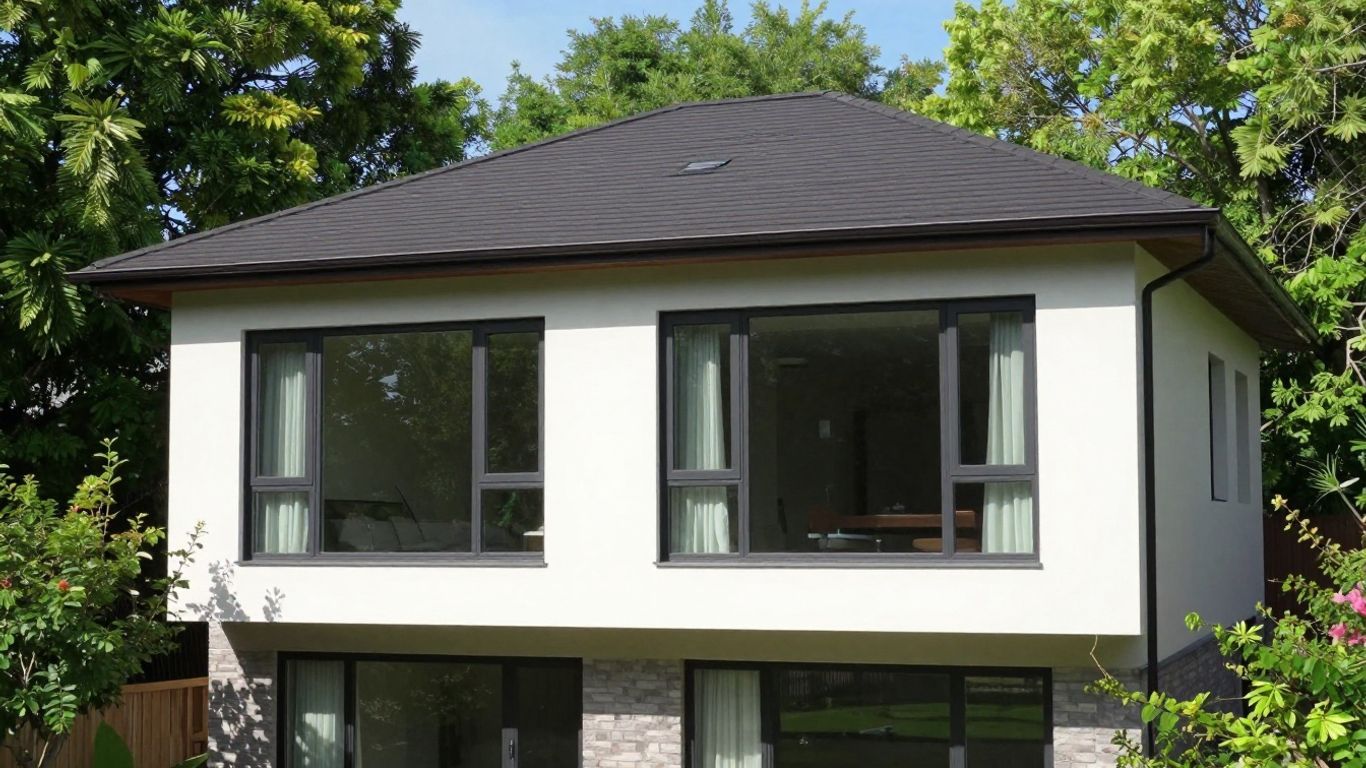
We often think about energy efficiency in terms of just one part of our homes, like the windows. But when we talk about really cutting down on energy costs and making our homes more comfortable, we need to look at the whole picture. That includes our roofs. Combining energy efficient windows with a smart roofing strategy can lead to some serious savings. It’s like giving your home a full insulation upgrade, not just a partial one.
The Synergy Between Efficient Roofing And Window Performance
Think about it: your roof is the first line of defense against the sun’s heat in the summer and the cold air in the winter. If your roof isn’t doing its job well, your new energy efficient windows are going to have to work overtime. They’ll be constantly fighting against heat gain or loss that’s coming through the attic and the rest of the roof structure. It’s a bit like wearing a warm coat but having a hole in your hat – you’re still going to feel the chill.
When we install windows that are great at keeping conditioned air inside, we want the rest of the house to be on the same page. A well-insulated and reflective roof works hand-in-hand with these windows. It means less heat gets into your home during hot months, so your air conditioner doesn’t have to run as much. In the winter, it means less heat escapes through the ceiling, so your heating system can take a break more often.
Here’s how the two work together:
- Reduced Heat Transfer: Both efficient windows and good roofing limit how much heat moves between the outside and inside of your home.
- Lower HVAC Load: When less heat enters or leaves, your heating and cooling systems don’t need to work as hard, saving energy and reducing wear and tear.
- Improved Indoor Comfort: You’ll notice fewer drafts near windows and more consistent temperatures throughout your home, no matter the season.
- Moisture Control: A well-ventilated and properly insulated roof, paired with well-sealed windows, helps manage moisture, preventing issues like mold and mildew.
We’ve seen homeowners see a noticeable difference when they address both their windows and their roof. It’s not just about individual upgrades; it’s about creating a system where everything works together. This holistic approach is where the biggest savings and comfort improvements are found. It’s a smart investment for the long haul.
When we consider upgrading our homes for better energy performance, it’s easy to focus on the most visible parts, like windows. However, the roof plays an equally significant role in regulating indoor temperatures and managing energy consumption. A coordinated effort between efficient windows and a high-performing roof creates a powerful barrier against unwanted heat transfer, leading to substantial reductions in utility bills and a more comfortable living environment year-round. We should always think about the entire building envelope when planning these improvements.
We recommend looking at your roof’s age, insulation levels, and reflectivity. Sometimes, a simple attic insulation top-up or a cool roof coating can make a big difference. When you combine these efforts with new, energy efficient windows, you’re creating a truly high-performance home. It’s a strategy that pays off in lower bills and a more pleasant home to live in.
Wrapping Up Your Window Project
So, we’ve talked a lot about why new windows make sense for our homes. It’s not just about looks, though they do make a place feel much better. The real win is how much less we’ll spend on heating and cooling bills. Think about that extra cash each month. Plus, we’re doing a good thing for the planet by using less energy. It might seem like a big job to get new windows put in, and honestly, it can be. But when we look at the long-term savings and the comfort we’ll gain, it really feels like a smart move for our houses. We hope this helps you decide if it’s time to make the switch.
Frequently Asked Questions
How much money can we really save on our energy bills by getting new windows?
Upgrading to energy-efficient windows can significantly lower your monthly bills. Think of your old windows like leaky faucets for heat and cool air. New ones act like a tight seal, keeping the temperature inside your home more stable. This means your heating and cooling systems won’t have to work as hard, which directly translates to less money spent on electricity or gas each month. The exact amount varies, but many homeowners see a noticeable difference.
Will these windows make our house feel more comfortable all year round?
Absolutely! Energy-efficient windows are designed to keep the heat out during hot summers and keep the warmth in during cold winters. This helps prevent those drafty spots near windows in the winter and stops rooms from feeling like ovens in the summer. Your home will feel more evenly comfortable, no matter the season, making it a more pleasant place to live.
What’s the difference between different window materials, and does it matter for energy savings?
Yes, the material matters a lot! Windows come in various frames, like vinyl, wood, and aluminum. Vinyl is often a budget-friendly and good insulator. Wood offers a classic look but might need more upkeep. Aluminum is strong but can be less insulating unless it has a special ‘thermal break’. When picking windows, we look at things like the number of panes (double or triple is best), the gas between the panes (like argon), and special coatings on the glass. These features all work together to stop energy from escaping.
The post Upgrading Your Home with Energy Efficient Windows first appeared on Taylore Roofing.