March 10, 2026
Spring is often the time we think about home improvements, and a roof is a big one. If your roof is nearing the end of its life, you’re probably looking at options. Two popular choices are shingle and metal roofing. We’ve been looking into the differences to help you make a good choice for your home. This article breaks down the main points of a shingle vs metal roofing comparison so you can decide what’s best for your spring reroof project.
Key Takeaways
- Shingles are generally less expensive upfront and come in many colors, but metal roofs last much longer and can withstand tougher weather.
- While metal roofing has a higher initial cost, its longevity and low maintenance can make it more economical over time compared to replacing shingles multiple times.
- Consider your budget, the look you want for your house, and how much protection you need from the elements when deciding between shingle and metal roofing.
Understanding The Core Differences: Shingle vs Metal Roofing Comparison
When we’re looking at reroofing our homes, two popular choices often come up: asphalt shingles and metal roofing. They might both cover our houses, but they’re really quite different. Let’s break down what sets them apart so we can make a smart choice for our spring projects.
Material Composition and Lifespan
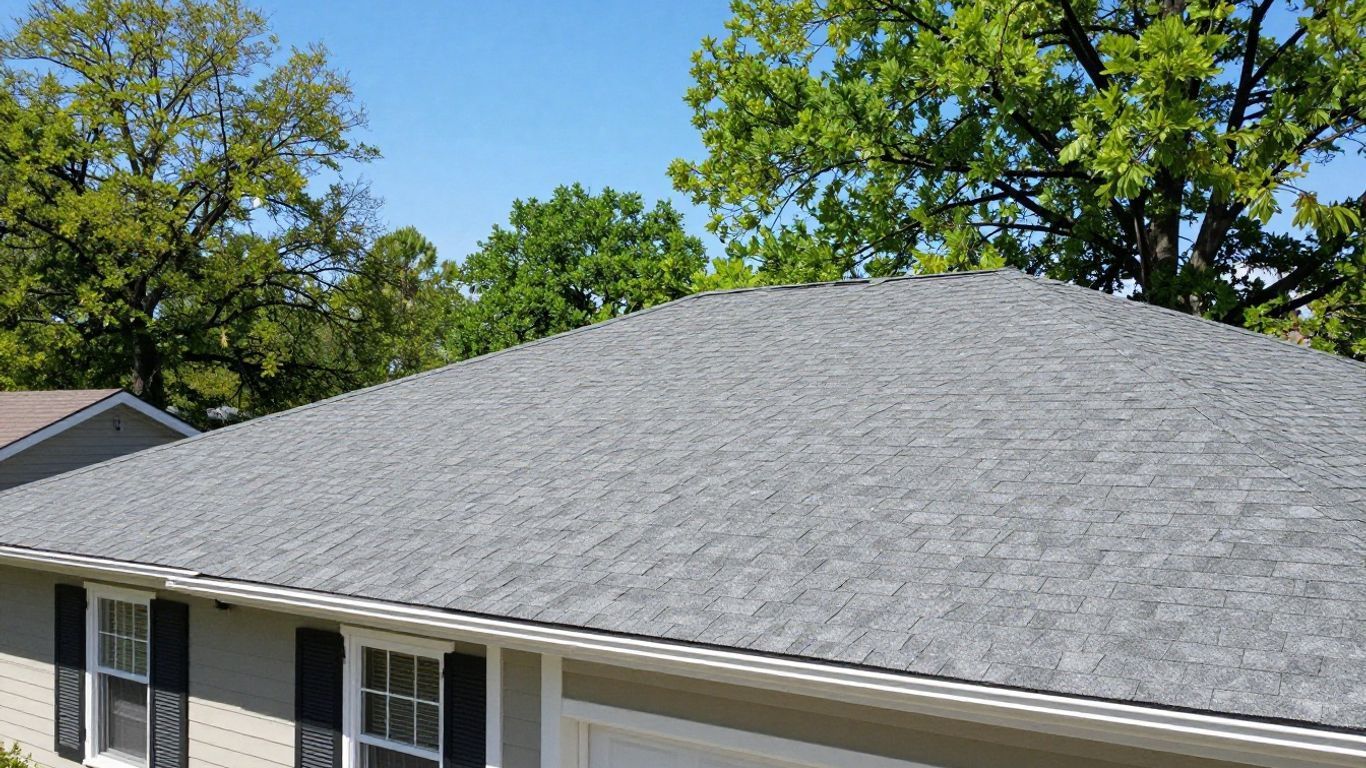
Shingles, the most common roofing material, are typically made from asphalt layered over a fiberglass or organic base mat. They’re coated with mineral granules to protect them from UV rays and give them color. Shingles are generally considered a more budget-friendly option upfront. Their lifespan can vary quite a bit, but we usually see them lasting anywhere from 15 to 30 years, depending on the quality of the shingle and the climate they’re in. We often have to replace them more frequently than other materials.
Metal roofing, on the other hand, comes in various forms like steel, aluminum, copper, or zinc. These materials are formed into panels or shingles that mimic traditional looks. Metal roofs are known for their impressive longevity, often lasting 40 to 70 years or even longer. This extended lifespan is a big draw for many homeowners. The upfront cost is usually higher, but the long-term value can be significant.
Here’s a quick look at typical lifespans:
| Material | Typical Lifespan (Years) |
|---|---|
| Asphalt Shingles | 15-30 |
| Metal Roofing | 40-70+ |
Aesthetic Versatility and Curb Appeal
When it comes to looks, shingles have been around forever, and they come in a huge range of colors and styles. We can get them to look like wood shakes or slate, and they blend in well with most home designs. It’s easy to find a shingle that fits our neighborhood’s look.
Metal roofing has really come a long way in terms of appearance. It’s not just the standing seam panels anymore. We can get metal roofing that looks like shingles, shakes, or tiles. This gives us a lot of flexibility if we want a specific aesthetic without the weight or maintenance of those materials. Colors are also plentiful, from classic neutrals to bolder shades. The ability to achieve a high-end look with metal, while still benefiting from its durability, is a major plus.
Some popular aesthetic options include:
- Shingles: Traditional, wide variety of colors, mimics other materials.
- Metal Panels: Standing seam for a modern look, corrugated for a rustic feel.
- Metal Shingles/Tiles: Designed to replicate the appearance of asphalt shingles, wood shakes, or clay tiles.
Choosing the right look for our home is important. We want something that not only protects our house but also makes it look good. Both shingle and metal roofing offer ways to achieve this, but they do it with different approaches and long-term implications.
Performance and Practical Considerations
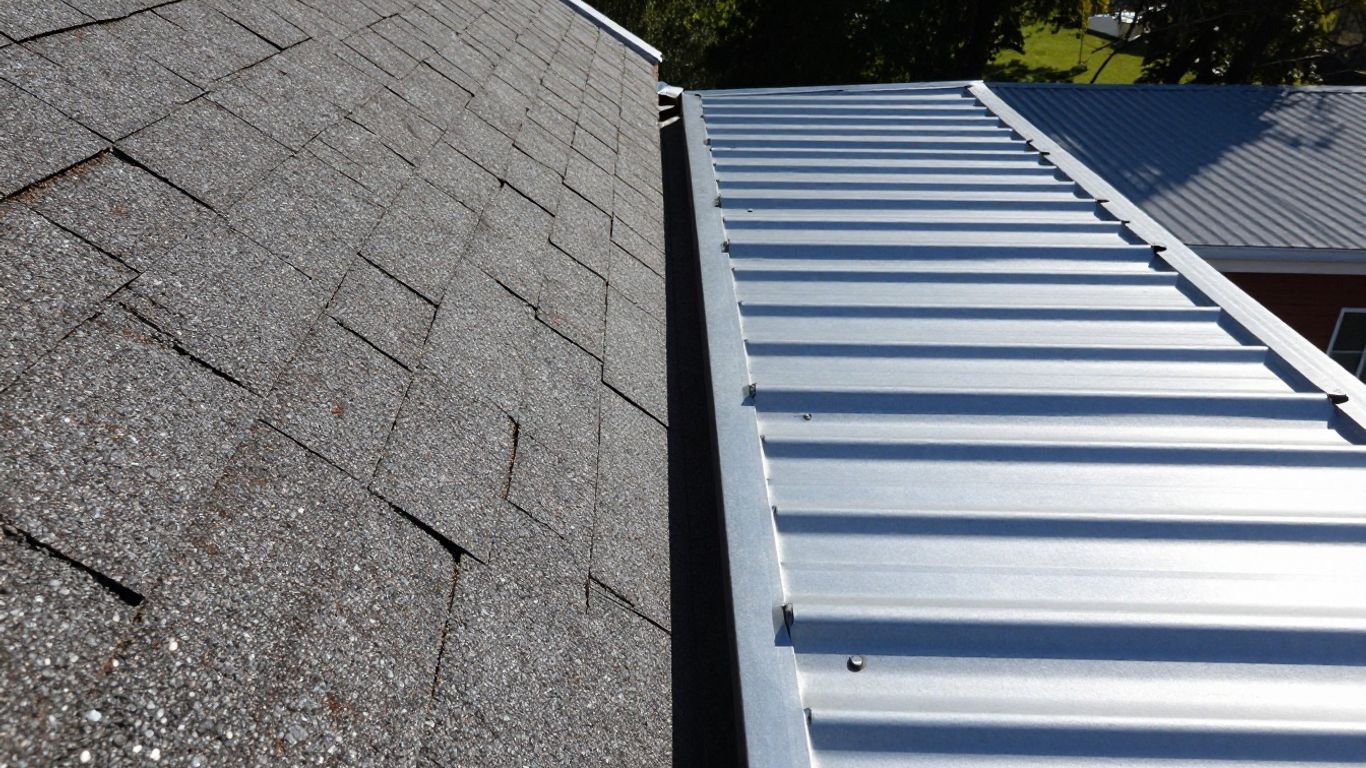
When we’re thinking about a new roof, it’s not just about how it looks, right? We’ve got to consider how it’s going to hold up and what it’ll cost us over time. This section gets into the nitty-gritty of durability and the practical side of things like installation and upkeep.
Durability and Weather Resistance
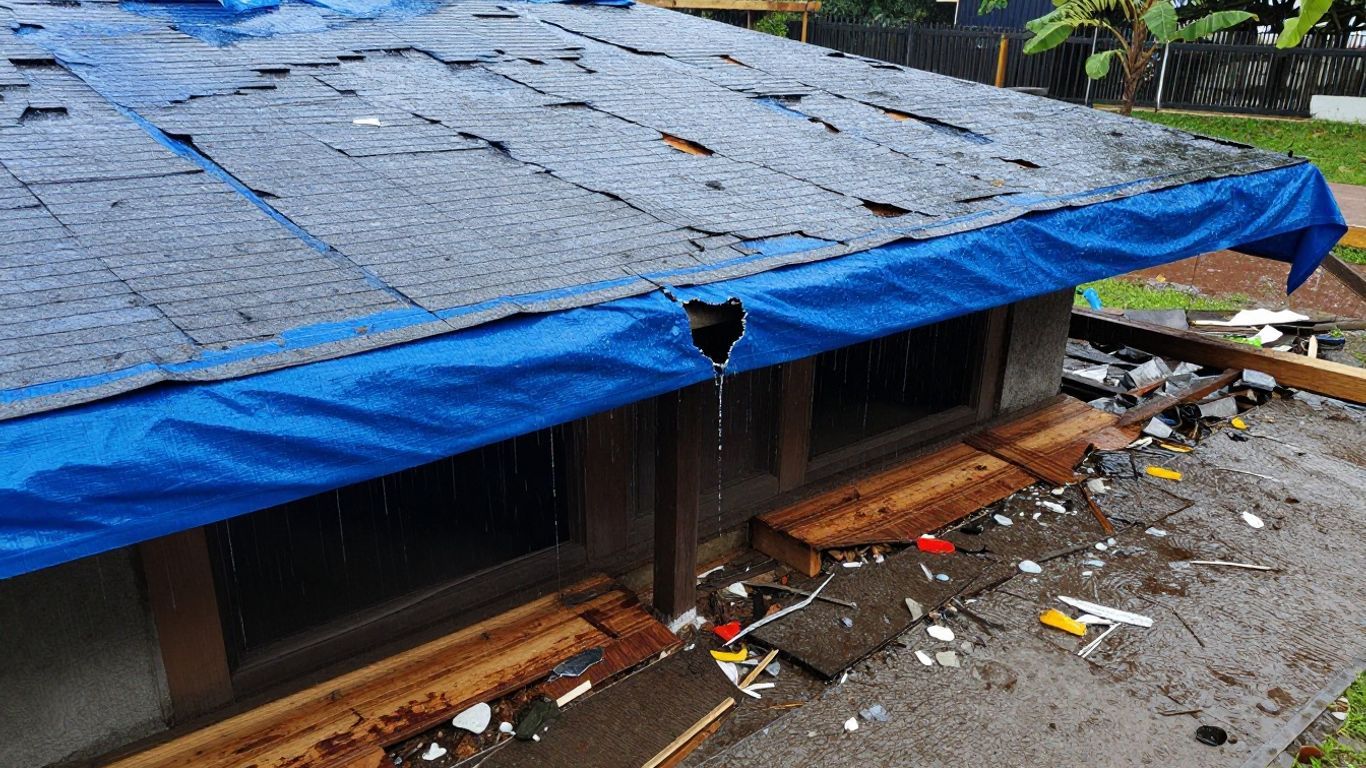
This is where metal roofing really shines. It’s tough. We’re talking about standing up to hail, strong winds, and even fire. Shingles, on the other hand, can be brittle, especially in extreme temperatures. A bad hailstorm can leave them cracked or even missing. Metal roofs are generally rated for much higher wind speeds than asphalt shingles. Plus, metal doesn’t really degrade from UV exposure like shingles do over the years, which means less fading and cracking.
Here’s a quick look at how they generally stack up:
| Feature | Metal Roofing | Shingle Roofing (Asphalt) |
|---|---|---|
| Lifespan | 40-70+ years | 15-30 years |
| Wind Resistance | High (often 120+ mph) | Moderate (typically 60-110 mph) |
| Hail Resistance | Good to Excellent (depending on gauge/profile) | Fair to Poor (can crack or dent) |
| Fire Resistance | Class A (non-combustible) | Class A (but can be damaged by embers) |
| Snow Shedding | Excellent (smooth surface) | Fair (can accumulate, especially with ice dams) |
Metal roofs are built to last, often outliving multiple shingle replacements. While shingles might seem fine initially, their lifespan is significantly shorter, meaning more frequent reroofing projects down the line.
Installation Costs and Maintenance Needs
Okay, let’s talk money and effort. The upfront cost for metal roofing is usually higher than for asphalt shingles. We’re talking a pretty noticeable difference. However, we need to look at the long game. Because metal roofs last so much longer, the cost per year of service can actually be lower than shingles. Think about it: if a metal roof lasts 50 years and shingles last 20, you’ll likely replace shingles twice (or more!) in the time you have one metal roof.
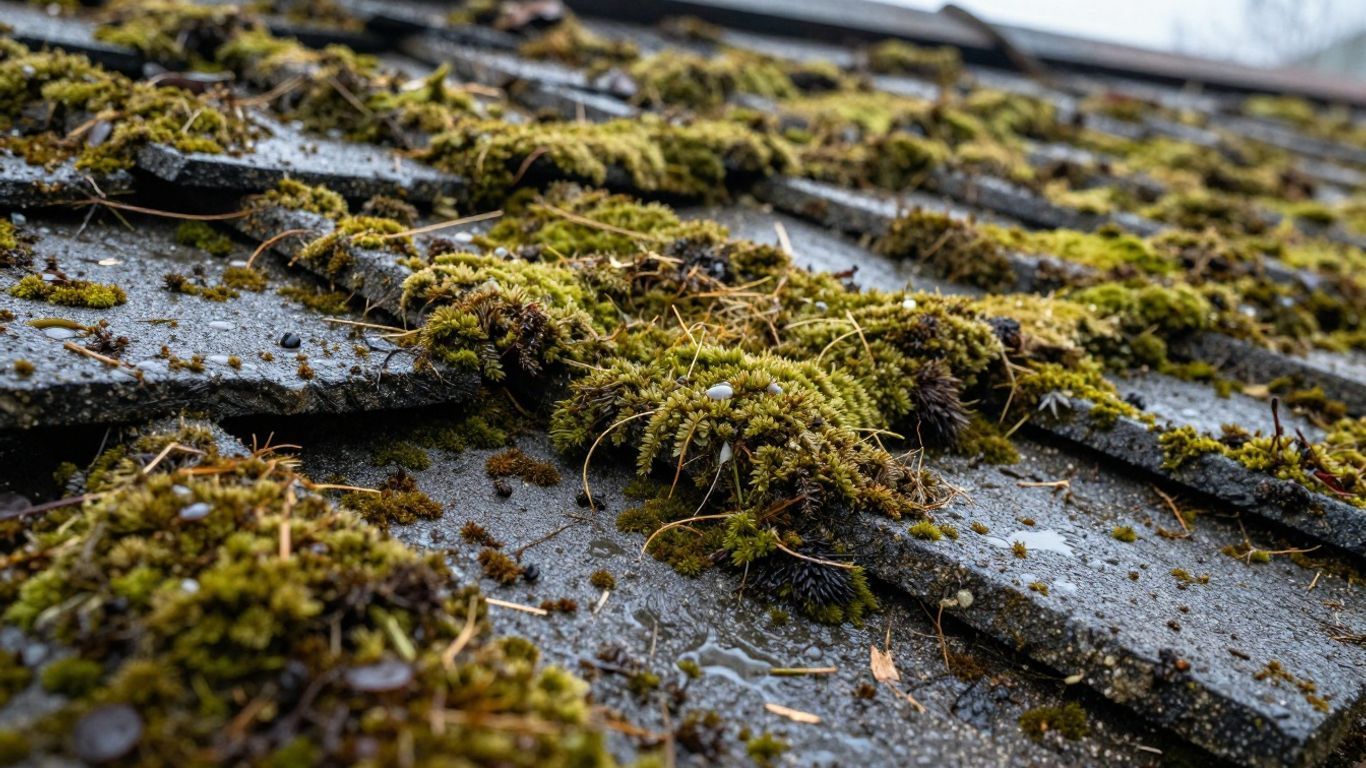
Maintenance is another area where they differ. Metal roofs typically require very little maintenance. We might need to check fasteners or seals occasionally, and maybe clear debris if we have trees overhead. Shingles, however, can require more attention. We might need to replace individual shingles that get damaged, or deal with moss and algae growth, especially in damp climates. Cleaning shingles can also be a bit more involved.
When we weigh the initial investment against the longevity and reduced upkeep, the total cost of ownership for a metal roof often makes it a more economical choice over several decades, even with its higher starting price. We just have to be prepared for that bigger hit upfront.
Here are some points to keep in mind regarding maintenance:
- Metal Roofs: Generally, just keep an eye out for loose fasteners or any dents from very large impacts. Snow sliding off can sometimes dislodge gutters if they aren’t properly secured.
- Shingle Roofs: We might need to sweep off debris, check for curling or missing shingles, and be mindful of moss or algae that can degrade the material over time. Some homeowners opt for special treatments to prevent this growth.
- Repairs: Replacing a single damaged metal panel can be straightforward, but matching the exact color and profile might be tricky if it’s an older installation. For shingles, replacing a few damaged ones is common, but if a large section is affected, it can be more noticeable.
Making Your Final Choice
So, we’ve looked at shingles and metal roofing. Both have their good points, and honestly, the best choice really depends on what you need for your home. Shingles are usually the go-to because they’re familiar and often cost less upfront. They get the job done and look decent. Metal, though, it’s a different story. It lasts a lot longer, handles bad weather like a champ, and can even save you money on energy bills over time. It might cost more to put on at first, but think about how long it’ll be before you need to worry about it again. We suggest taking another look at your budget, how long you plan to stay in your house, and what kind of weather you usually get. Talking to a few local roofers can also give you a clearer picture of what makes the most sense for your specific situation. Ultimately, picking the right roof is a big decision, but with a little thought, we’re confident you’ll land on the best option for your home this spring.
Frequently Asked Questions
Which roof type lasts longer, shingles or metal?
Generally, metal roofs tend to outlive shingle roofs. While asphalt shingles might need replacing after 15 to 30 years, a well-maintained metal roof can last 40 to 70 years, sometimes even longer. We see metal as a significant long-term investment.
Are metal roofs more expensive to put on than shingle roofs?
Yes, the initial cost for a metal roof is typically higher than for asphalt shingles. However, we advise homeowners to consider the total cost over the roof’s lifespan. Metal roofs often require less maintenance and can last much longer, potentially saving money in the long run.
Can metal roofs look like shingles?
Absolutely! Metal roofing has come a long way. We can find metal panels designed to mimic the look of traditional shingles, slate, or even wood shakes. This offers homeowners the best of both worlds: the durability and longevity of metal with the classic appearance they desire for their homes.
The post choosing between shingle and metal for spring reroof projects first appeared on Taylore Roofing.